Nutrition trainings on sugar consumption and food labelling for children
What is it?
According to the World Health Organization, the recommended maximum daily sugar intake for children aged 7 to 10 is 24 grams or 28 for children aged 11 to 18. Yet, studies have shown that the average child currently consumes much more than the recommended rate, with their average daily intake reaching 55 grams per day. According to UNICEF, obesity has now overtaken underweight as the most common form of malnutrition among children and teens worldwide, 1 in 10 children aged 5–19, or 188 million worldwide, are living with obesity.
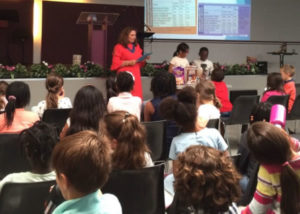
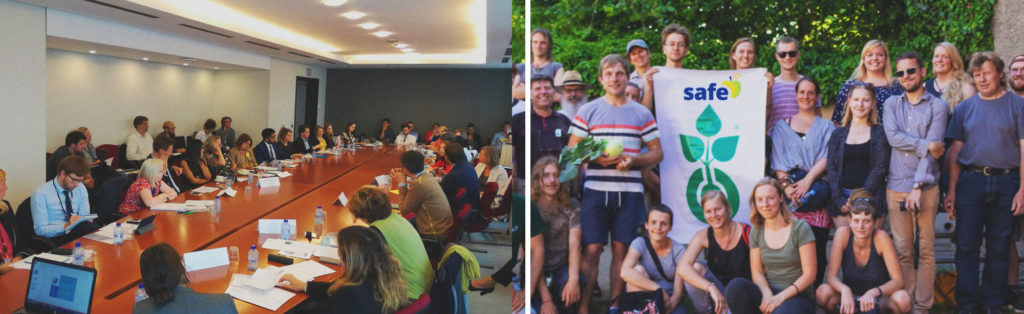
To tackle this pressing issue, SAFE and its partners have been giving since 2017 nutrition trainings in schools as part of SAFE’s Food4Inclusion project. SAFE stresses the important role that education plays in ensuring that children, especially those that are most disadvantaged, are protected from the consequences of unhealthy nutrition.
SAFE has worked along with nutritionists and the partners of the project to deliver course materials aimed at children and teenagers (7 to 14 years old) on the prevalence of sugar in their diet and the health risks associated to it. They constitute the age group most prone to consuming sugar in excess. SAFE has also developed materials for trainings focused on food labelling, helping children to read labels, understand what are food additives and their health effects, as well as debunk marketing techniques on unhealthy foods.
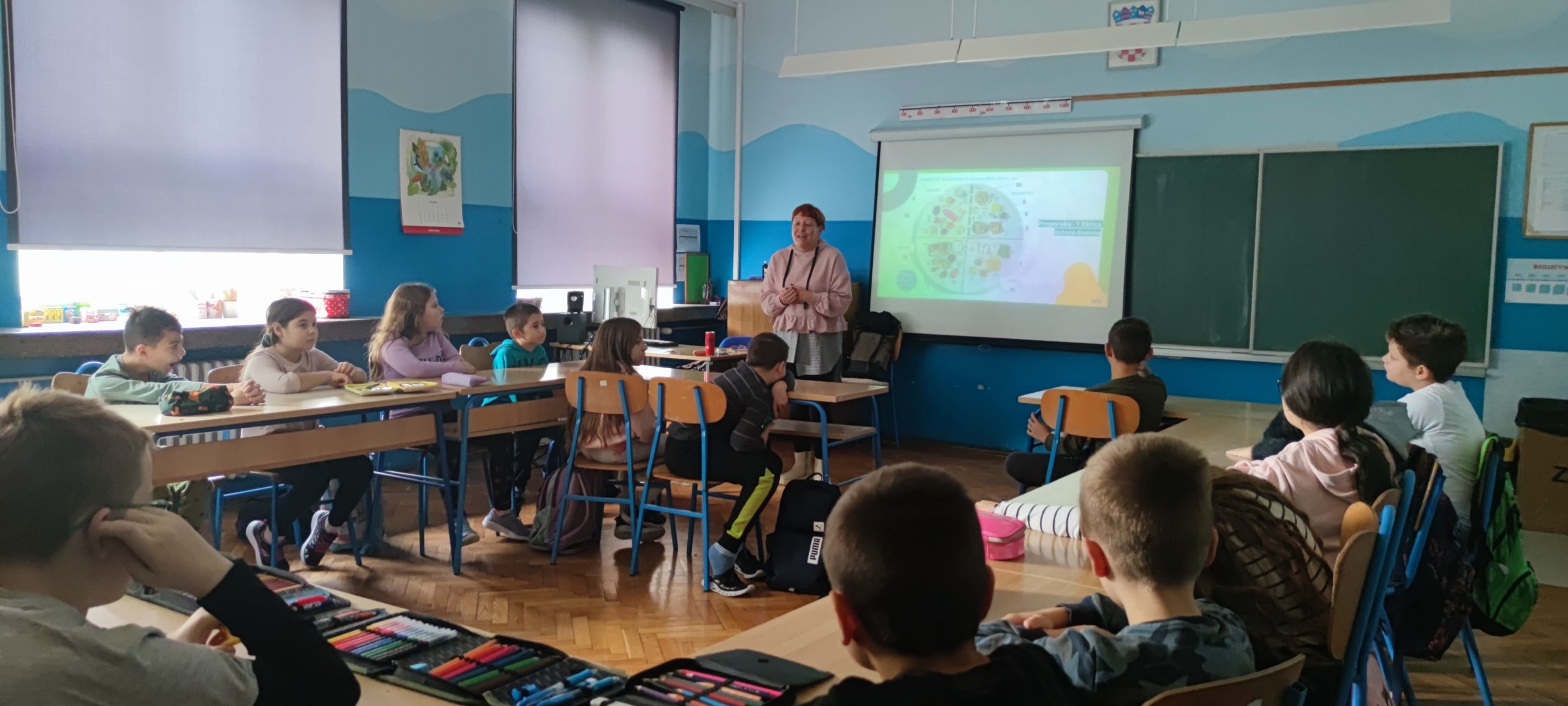
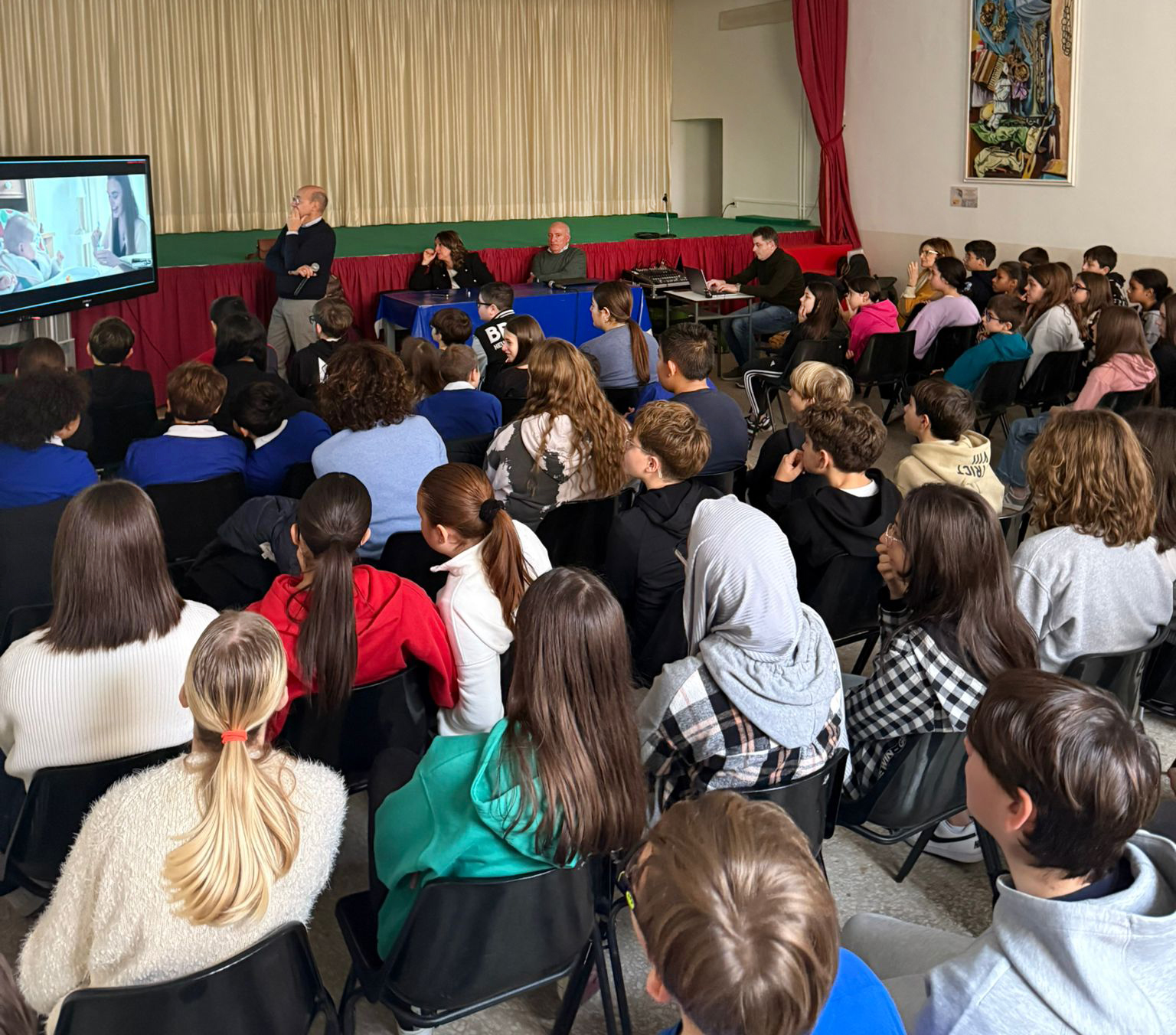
This year, the trainings are being disseminated to 8 EU members states (Italy, Croatia, France, Poland, Spain, Greece, Slovakia, and Romania). In 2025, 171 classes and 2,403 children and adolescents participated in food literacy trainings across the Member States.
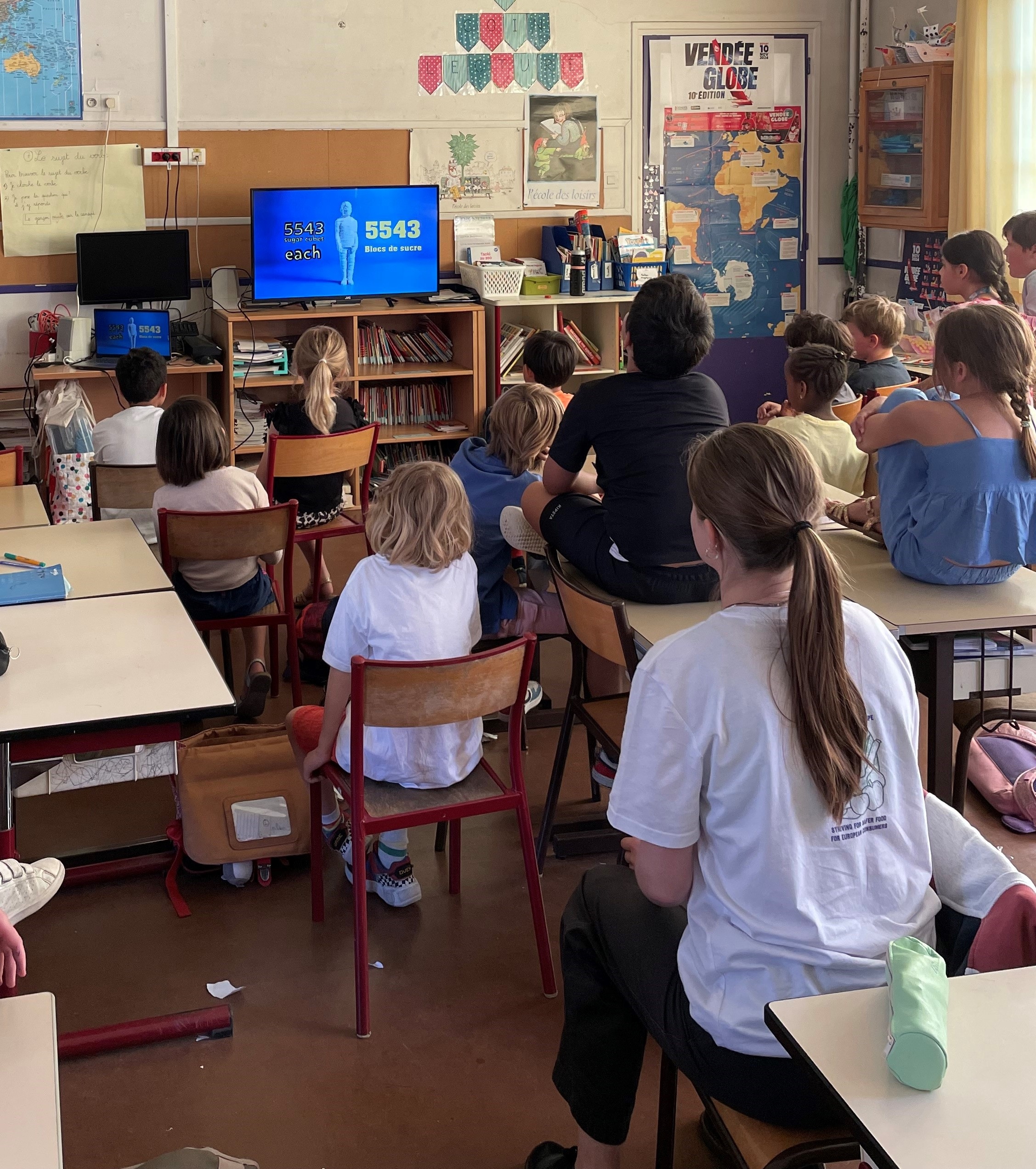
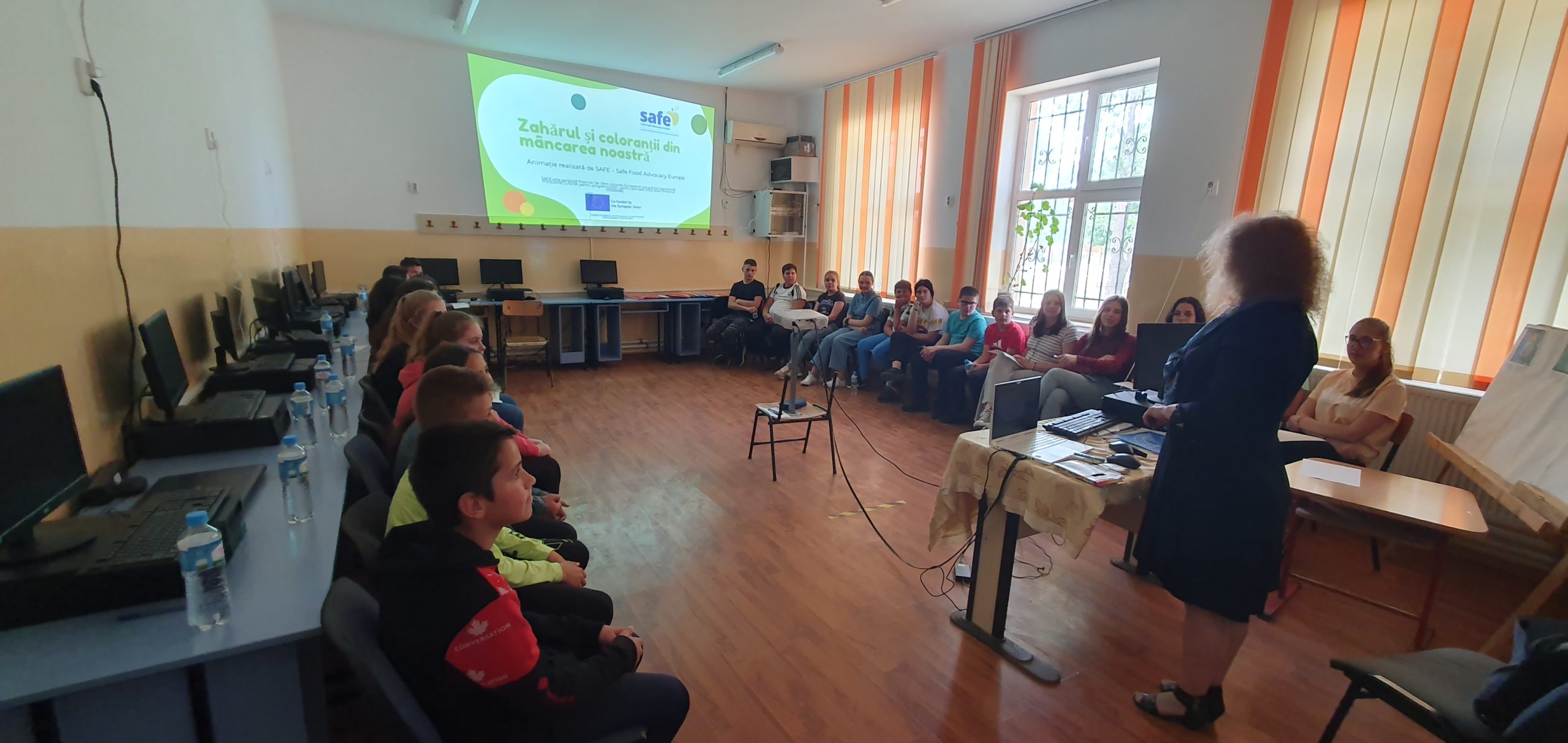
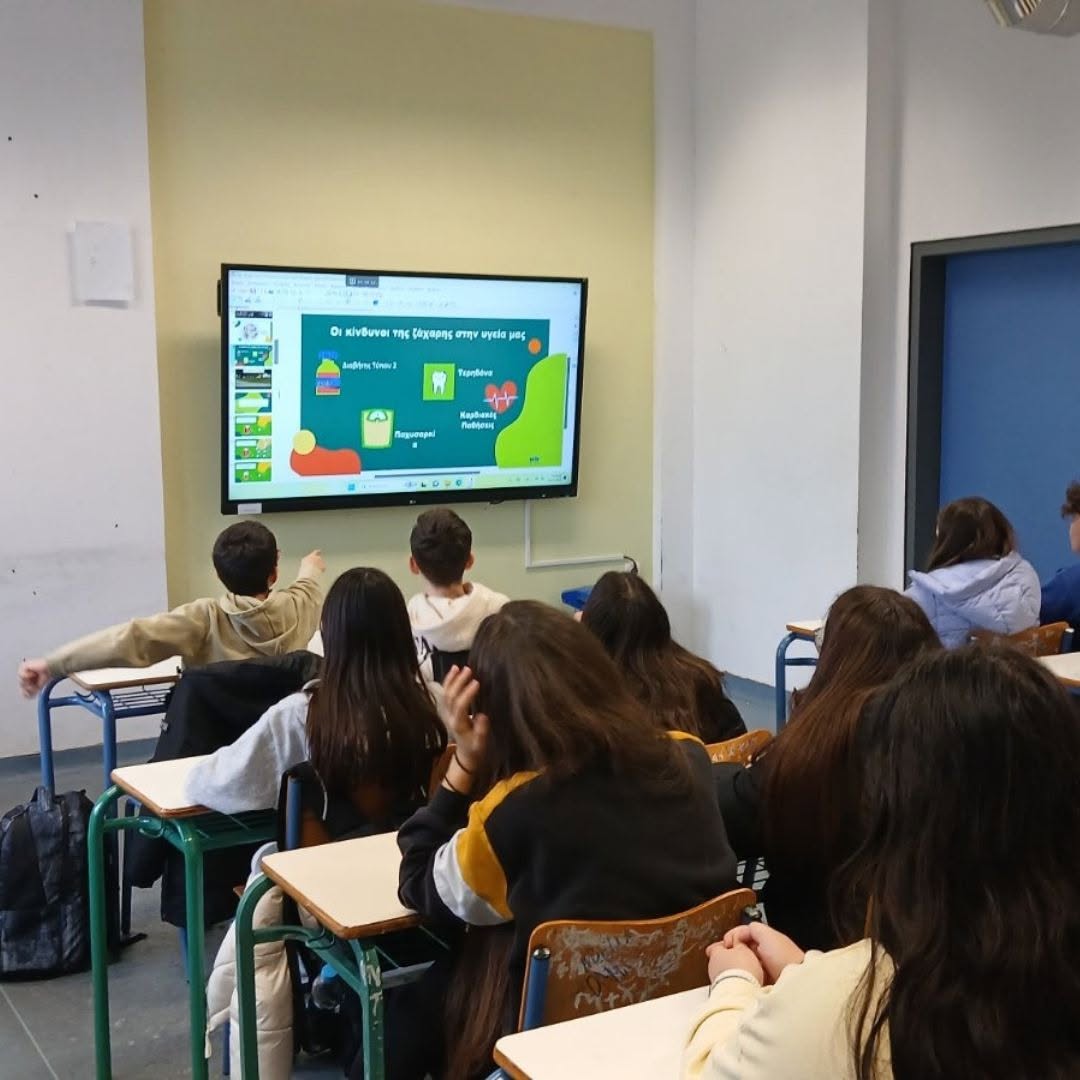
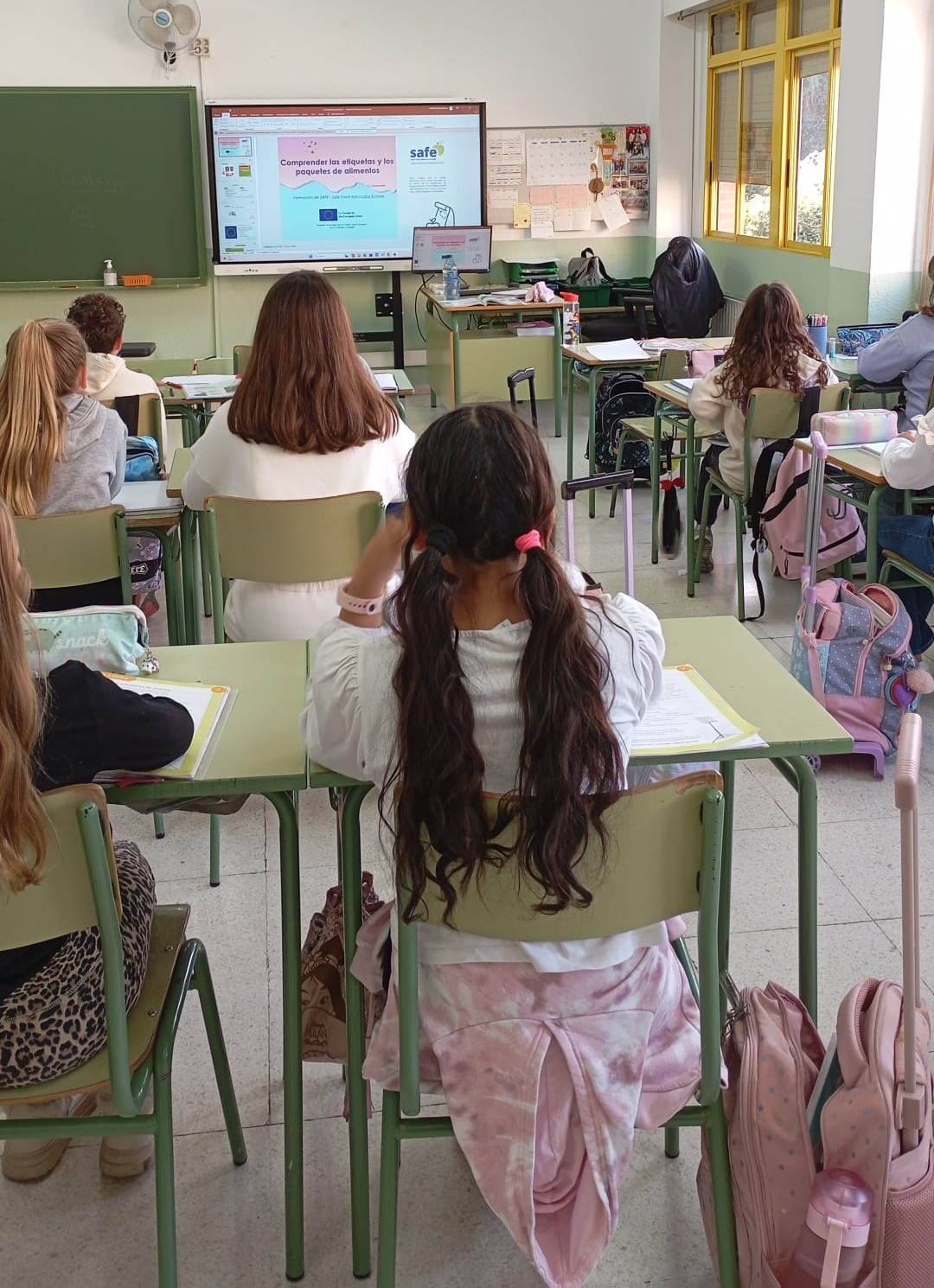
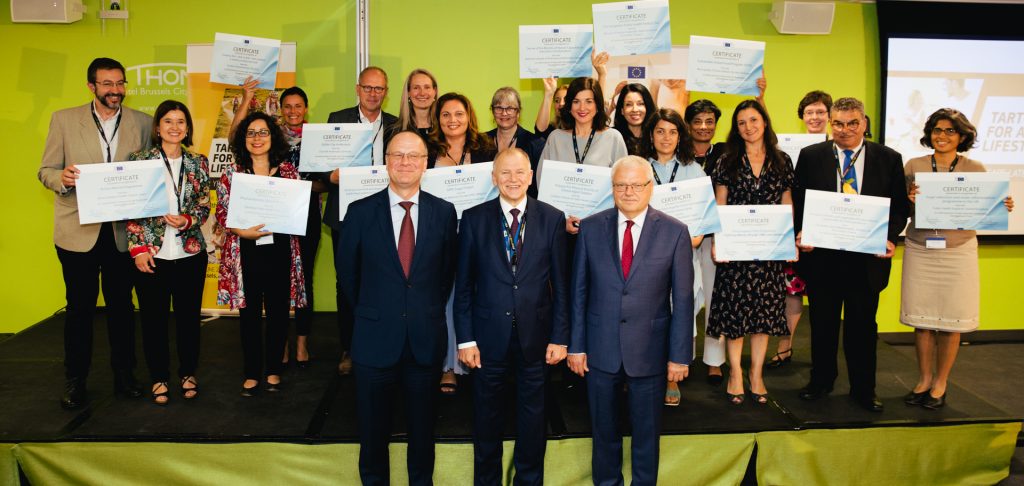
In 2019, the Sugar Trainings were recognised as “Best Practice to help reach the Sustainable Development Goals” by the Directorate-General for Health and Food Safety of the European Commission. A certificate of Best Practice was awarded to SAFE by Commissioners Navracsics, Andriukaitis and Hogan during the Tartu Call Award Ceremony on 19 June 2019.
How is it done?
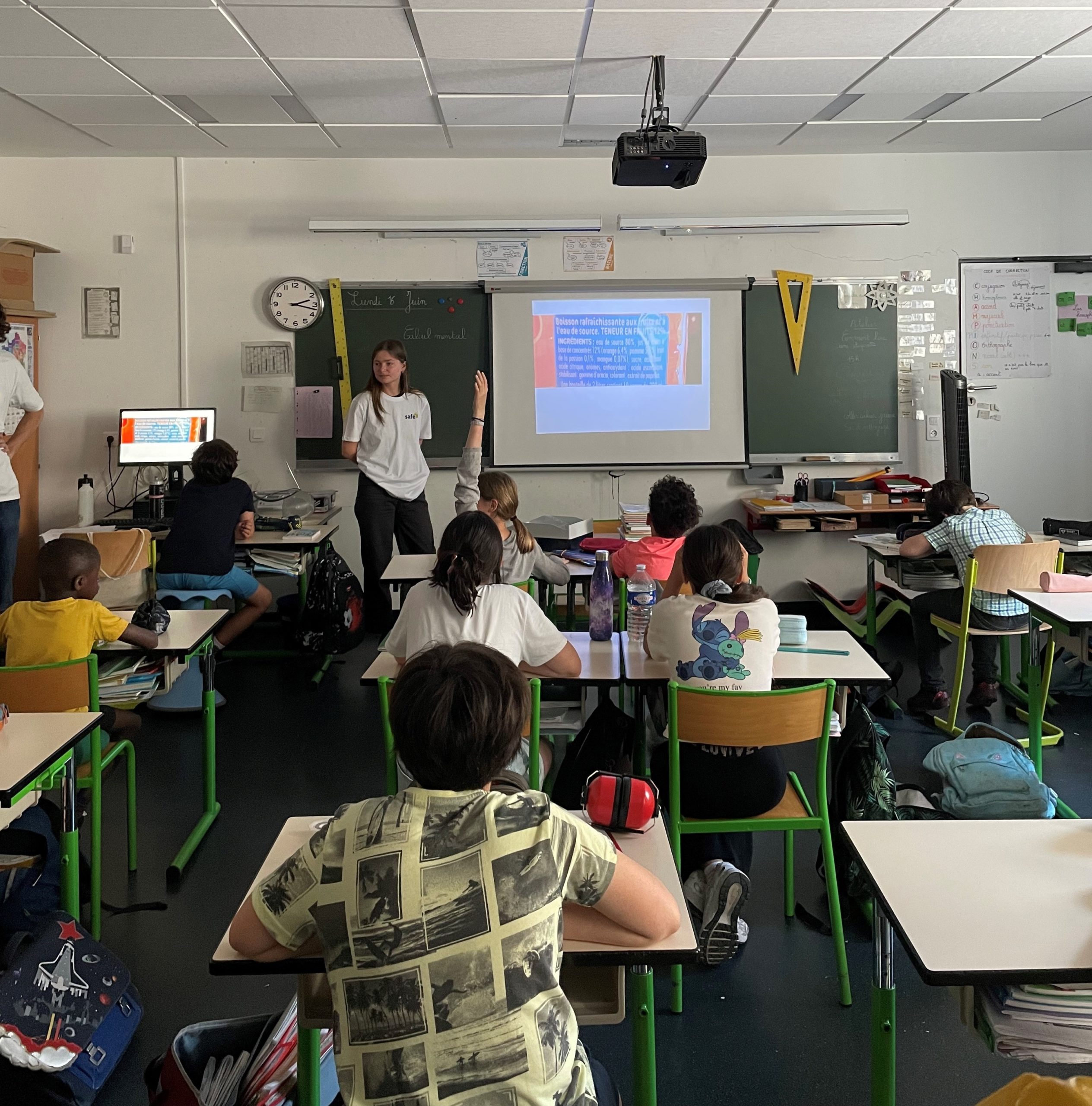
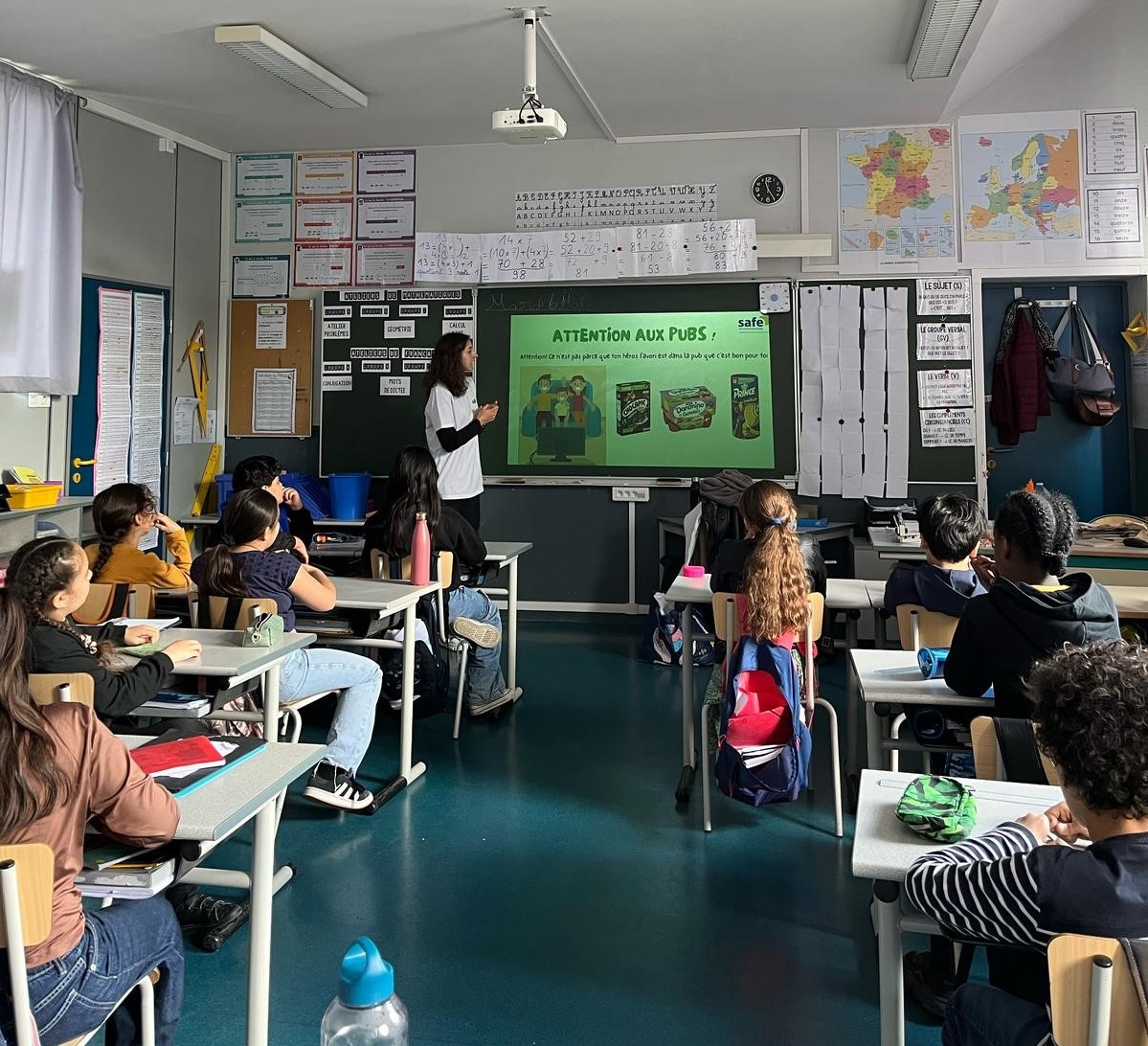
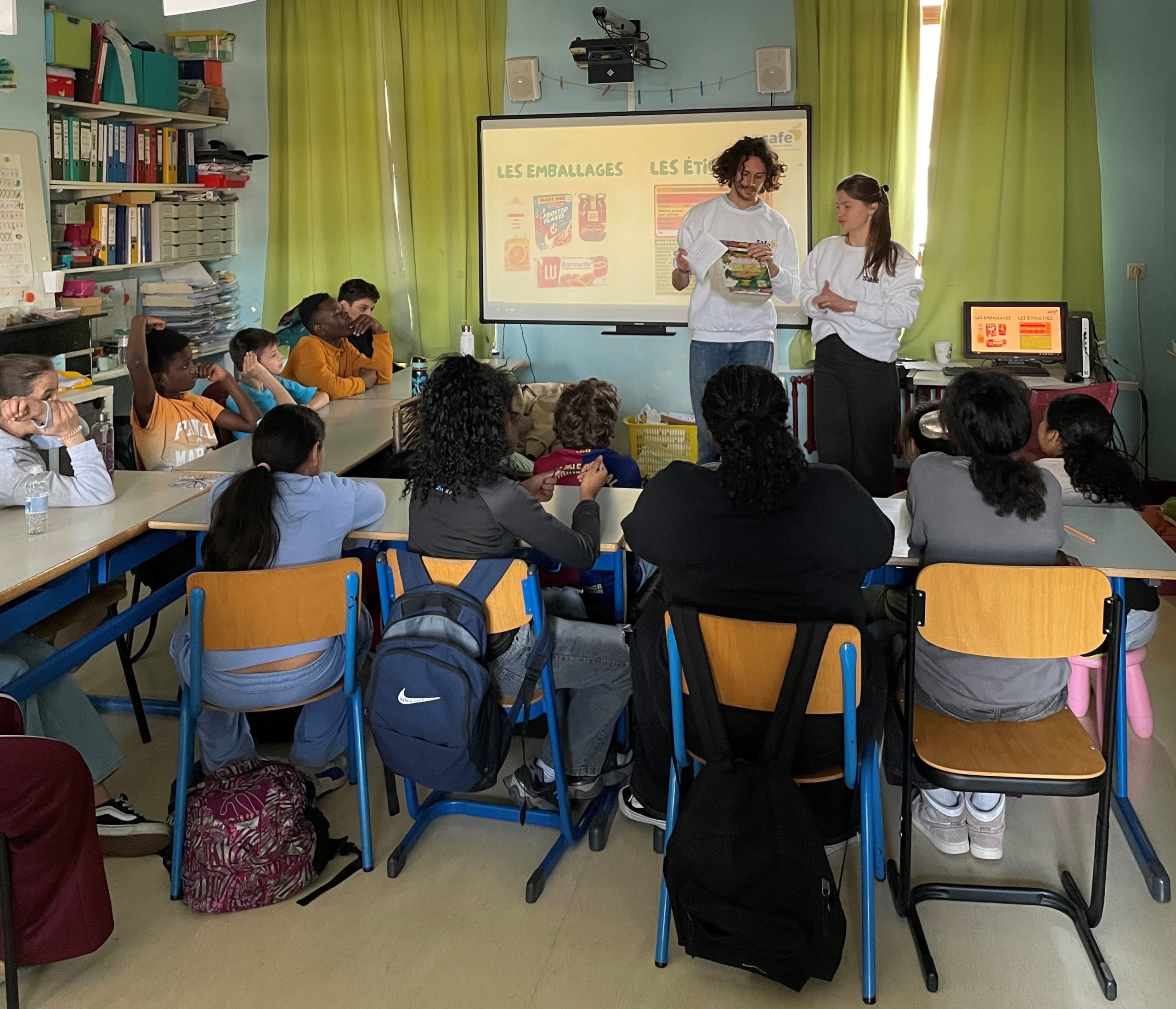
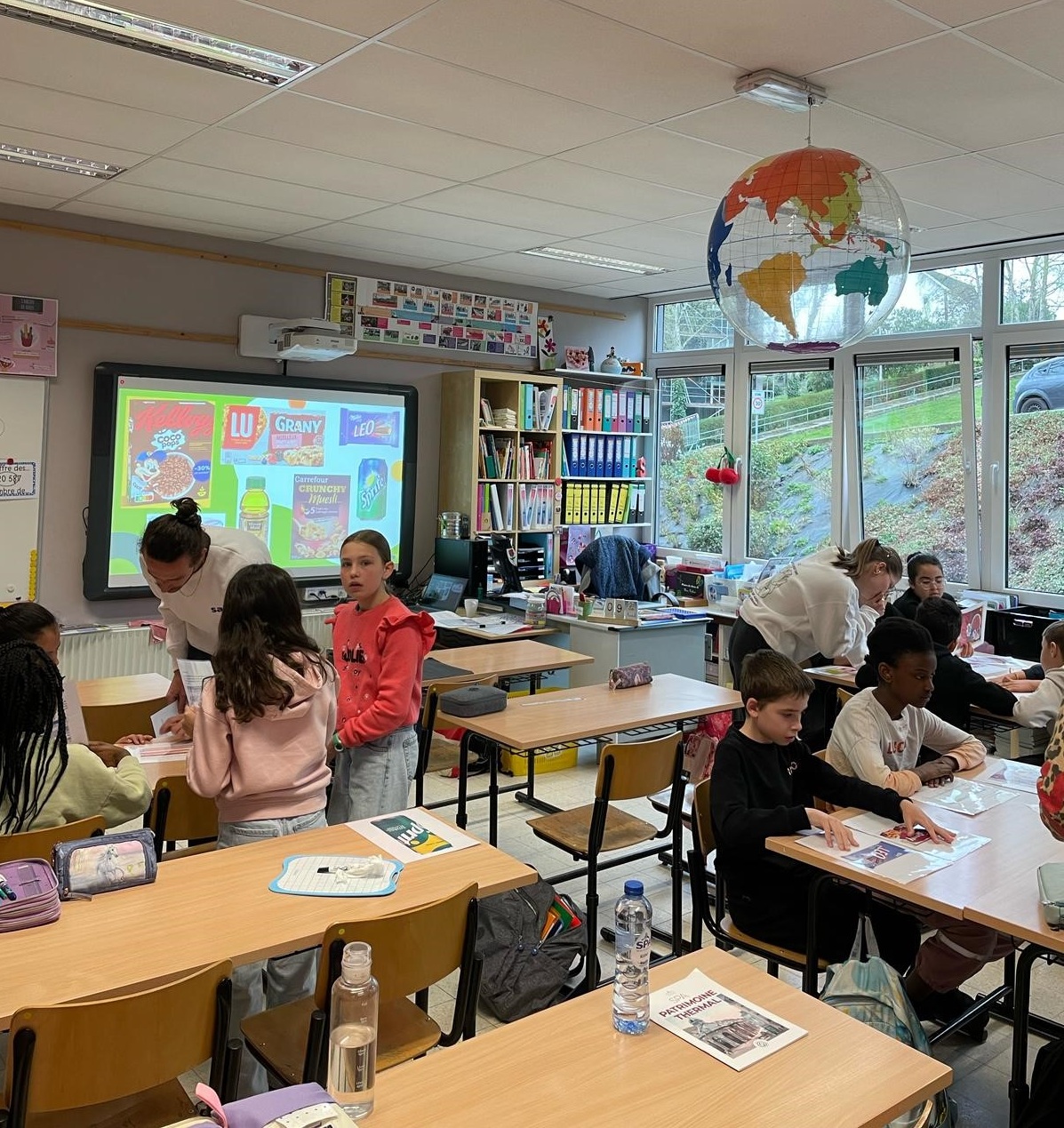
These nutrition trainings take the form of an interactive course lasting 1.5 hours given on school premises. The training session includes games, videos, Q&As, and discussions between children and the team.
The primary objective of the course is to raise pupils’ awareness of their sugar consumption and to highlight how sugar is present in many everyday foods. Experience shows that most pupils are not aware of this and pay little attention to the issue. They also learn to spot misleading health claims and marketing techniques that influence them into consuming unhealthy foods.
Children are taught about the impact of excessive sugar consumption, and ultra processed foods, as well as the effects of food colourants and additives on health, including links to non-communicable diseases and other health issues.
Pupils learn how to read food labels correctly to assess if a product is good for their health or not. They can recognise food colourants, additives, and how to calculate the sugar content of a product.
At the end of the session, children receive written materials, including information on the World Health Organization’s recommendations on sugar intake, to better remember the information they learnt.