
Very high levels of short-chain PFAS (TFA) found in 12 out of 16 mineral water samples
09 October 2025
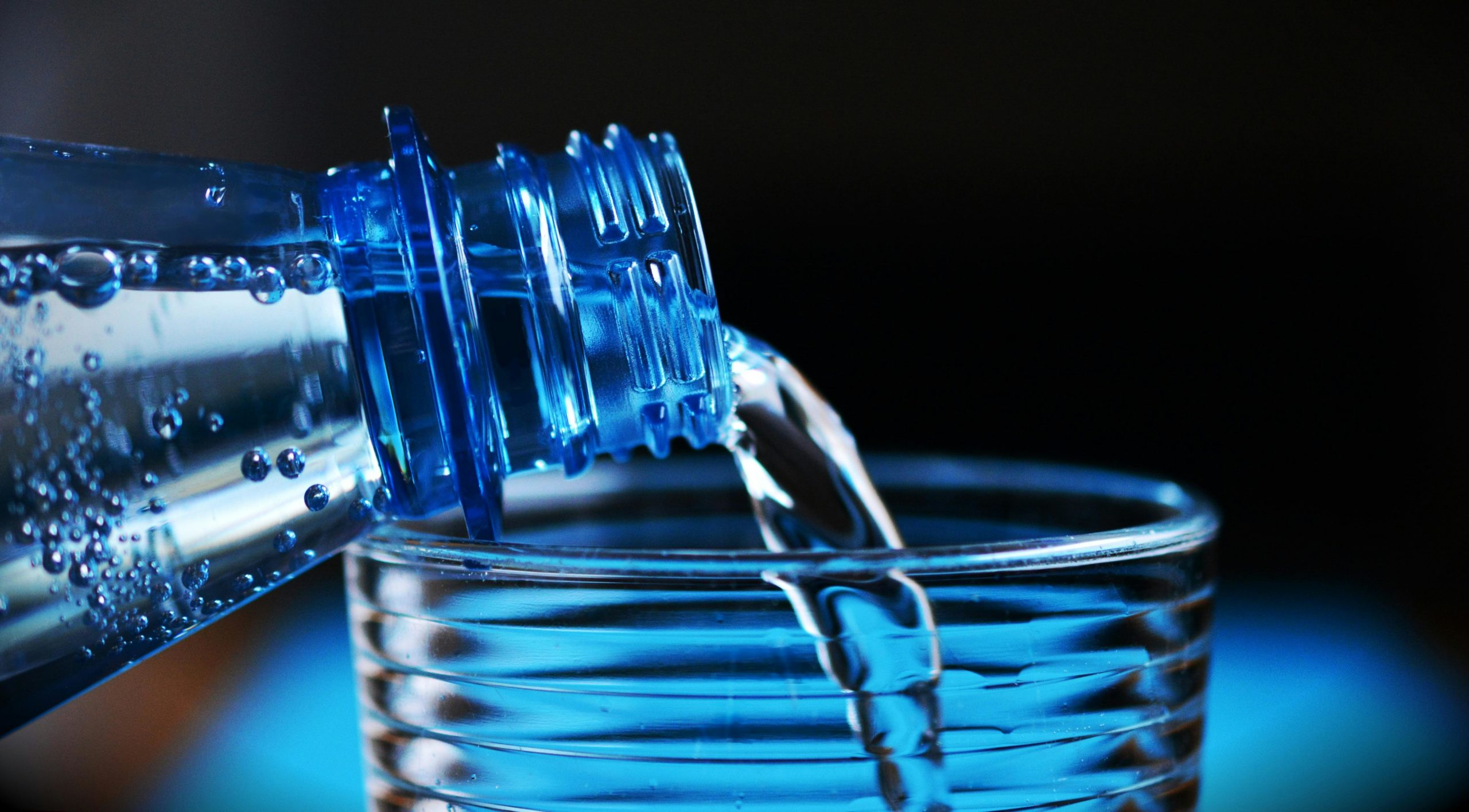
A study by Greenpeace has found very high levels of TFA, a type of “forever chemical” resulting from the degradation of PFAS, in 12 samples from 16 mineral water brands tested in Italy and Germany.
The levels exceed by more than twenty times the most restrictive limits in national legislation in Europe. Although TFA have been linked to serious health risks, there is no EU legislation on this subgroup of substances, mostly due to lobbying by the chemical industry, the main emitter of PFAS, according to PAN Europe. EU legislation does cover some PFAS, establishing maximum legal limits in drinking water.
The highest detected value was 700 nanograms per liter. These values are similar to those found by a previous study targeting other EU countries, which confirms that these substances can spread quickly throughout the environment.
In July, the green group in the European Parliament sent a priority written question to the European Commission, to request that maximum levels for TFA be enforced based on the existing limit value for PFAS of 500 nanograms per liter for drinking water.

JRC study delivers nutritional quality of food in Europe’s supermarkets
A new study by the Joint Research Centre (JRC) provides the first large-scale overview of…
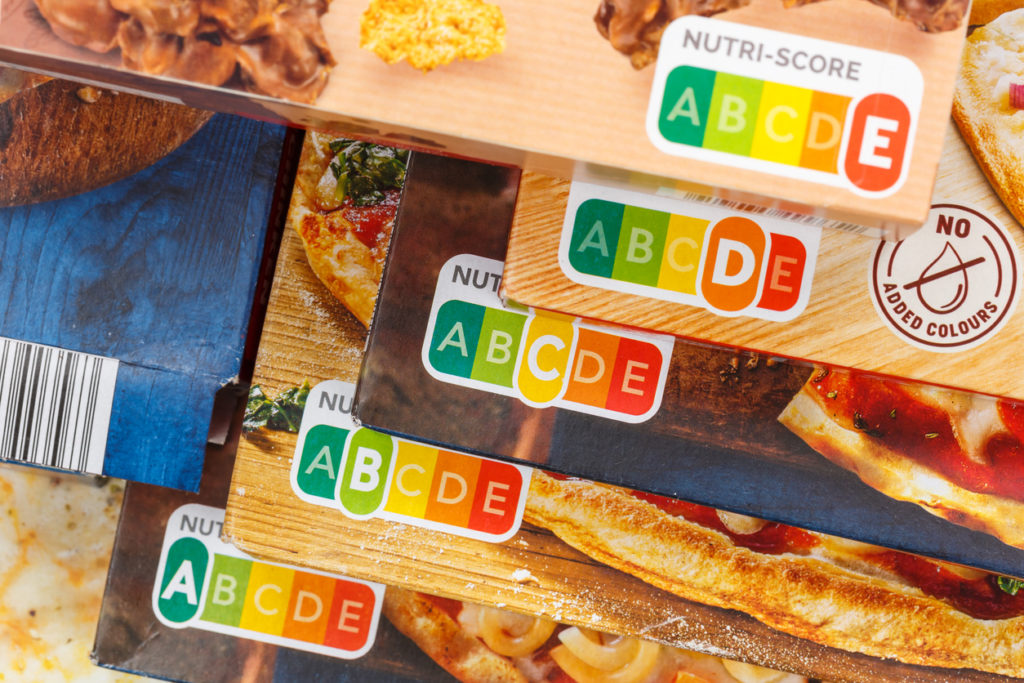
Poland withdraws Nutriscore, deeming it misleading
Nutri Score nutrition label symbol healthy eating for food Nutri-Score Poland’s decided to withdraw the…
Barcelona plans network of affordable shops
Barcelona is preparing a network of shops designed to make fresh food more affordable for…

UPFs: The Commission has all the elements to implement mitigation measures
The worker in the factory places the chicken schnitzel The health risks associated with the…

Utrecht is opening a supermarket for “ugly food”
In Utrecht, the Netherlands, from 7 to 13 September, the No Waste Army organisation is…

France becomes first EU country to ban social media access for under-15s
France’s parliament has approved a bill banning social media access for children under 15, making…