

Common food preservatives linked to high blood pressure and heart disease
22 May 2026
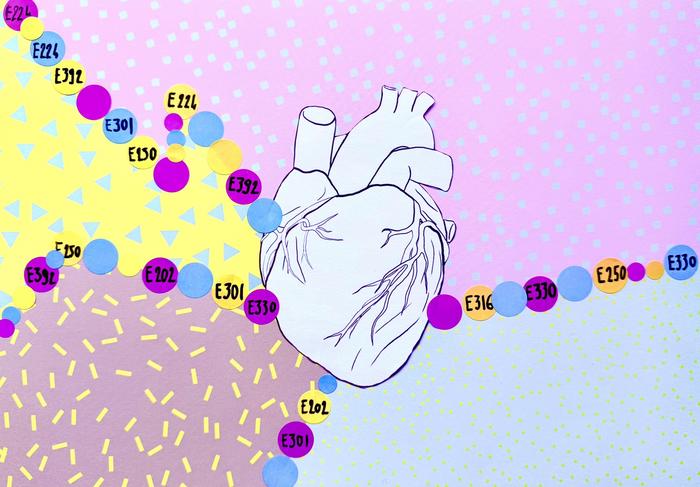
IMAGE: MATHILDE TOUVIER
A study by the French National Institute for Health and Medical Research (INSERM) on 112,395 people from the NutriNet-Santé cohort has found a link between preservatives commonly used in food processing, high blood pressure, and heart disease.
They tracked the volunteers’ health for an average of seven to eight years
It is the first study of its kind to investigate the links between a wide range of preservatives and cardiovascular health. The study analysed diets and food ingredients in detail.
Overall, they found that people who ate the largest amounts of ‘non-antioxidant’ preservatives had a 29% higher risk of hypertension, compared to those who ate the least, and a 16% higher risk of cardiovascular disease, including heart attack, stroke and angina. People who ate the most antioxidant preservatives had a 22% higher risk of hypertension. These two kinds of preservatives were studied separately.
Researchers also looked at 17 of the most commonly eaten preservatives and found that eight of these were specifically linked to high blood pressure. These are: potassium sorbate (E202), potassium metabisulphite (E224), sodium nitrite (E250), ascorbic acid (E300), sodium ascorbate (E301), sodium erythorbate (E316), citric acid (E330) and extracts of rosemary (E392).
Ascorbic acid (E300) was also specifically linked to cardiovascular disease.
Dr Mathilde Touvier, one of the leaders of the study, calls for a re-evaluation of the risks and benefits of these food additives by EFSA in the light of these findings.

JRC study delivers nutritional quality of food in Europe’s supermarkets
A new study by the Joint Research Centre (JRC) provides the first large-scale overview of…
Poland withdraws Nutriscore, deeming it misleading
Nutri Score nutrition label symbol healthy eating for food Nutri-Score Poland’s decided to withdraw the…
Barcelona plans network of affordable shops
Barcelona is preparing a network of shops designed to make fresh food more affordable for…
UPFs: The Commission has all the elements to implement mitigation measures
The worker in the factory places the chicken schnitzel The health risks associated with the…
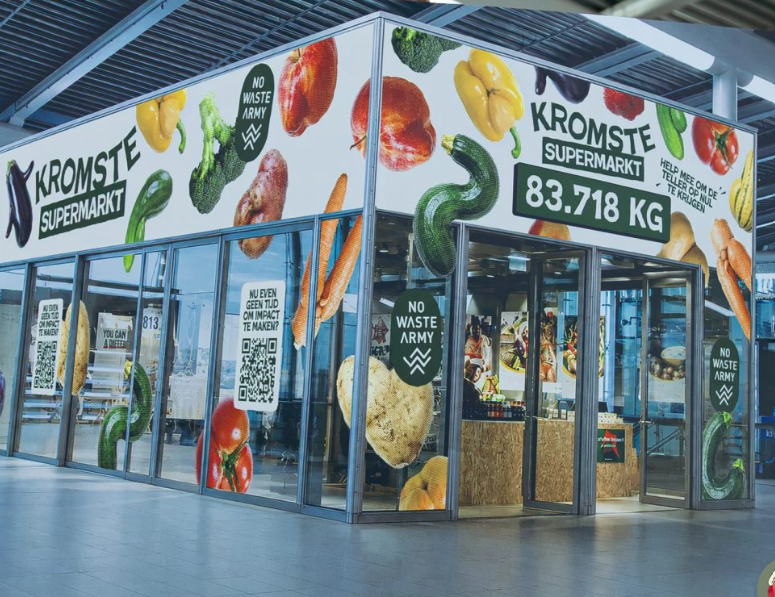
Utrecht is opening a supermarket for “ugly food”
In Utrecht, the Netherlands, from 7 to 13 September, the No Waste Army organisation is…

France becomes first EU country to ban social media access for under-15s
France’s parliament has approved a bill banning social media access for children under 15, making…