
OECD reveals hidden cost of Mental Health in Europe
07 May 2026

An EU co-funded report by the Organisation for Economic Co‑operation and Development (OECD) highlights that poor mental health is one of the biggest public health and economic challenges in Europe.
It is estimated to cost around €76 billion annually, representing approximately 6% of total health expenditure. Depression, anxiety, and alcohol use disorders could reduce healthy life expectancy in the EU by 2.5 years between 2025 and 2050, and lead to around 28,000 premature deaths each year.
Anxiety disorders are the most common, accounting for around 40% of cases. The OECD report warns that the real scale of mental health conditions is likely higher, considering the high percentage of undetected cases.
Women, young people, and people from lower socioeconomic backgrounds are the most affected.
Mental health issues have been rising because of societal and environmental factors, such as the COVID‑19 pandemic, geopolitical and economic instability. Problematic use of social media is also recognised as a driver, particularly among young people.
Despite existing national mental health policies in most EU countries, a treatment gap persists, with about 67.5% of people not receiving the care they need.
According to the OECD, care needs to be shifted from hospitals to community services with a preventive approach, such as primary care, schools and workplaces.

JRC study delivers nutritional quality of food in Europe’s supermarkets
A new study by the Joint Research Centre (JRC) provides the first large-scale overview of…
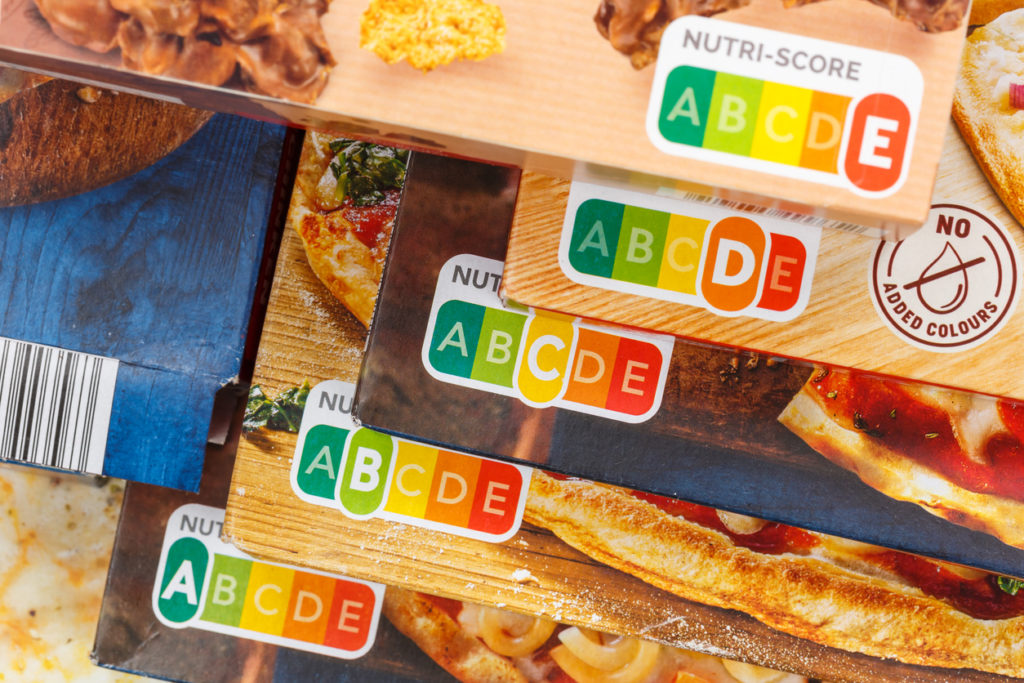
Poland withdraws Nutriscore, deeming it misleading
Nutri Score nutrition label symbol healthy eating for food Nutri-Score Poland’s decided to withdraw the…
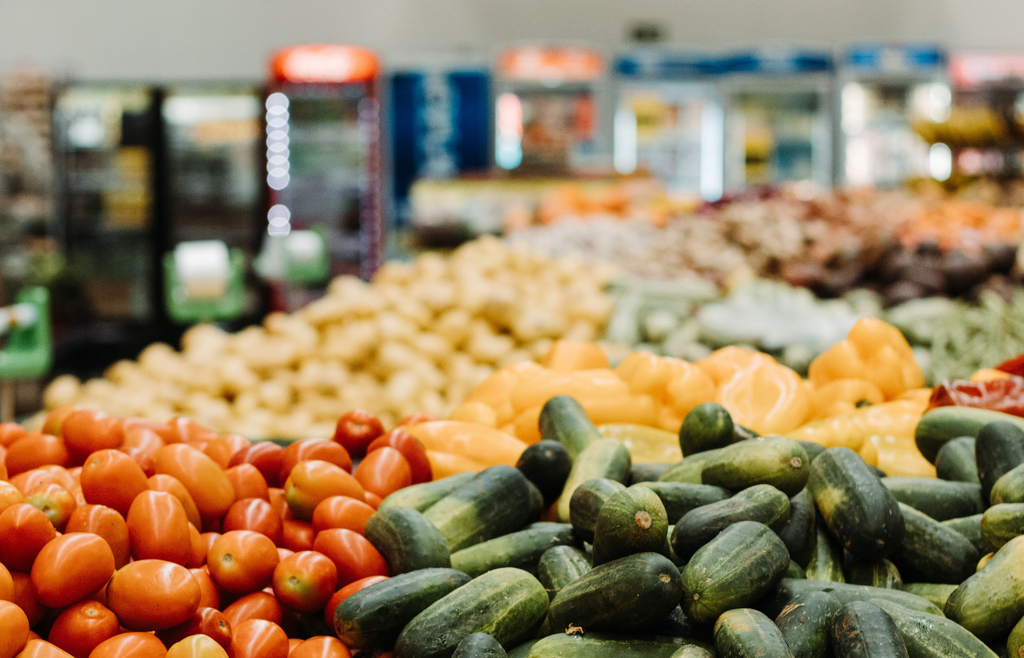
Barcelona plans network of affordable shops
Barcelona is preparing a network of shops designed to make fresh food more affordable for…

UPFs: The Commission has all the elements to implement mitigation measures
The worker in the factory places the chicken schnitzel The health risks associated with the…
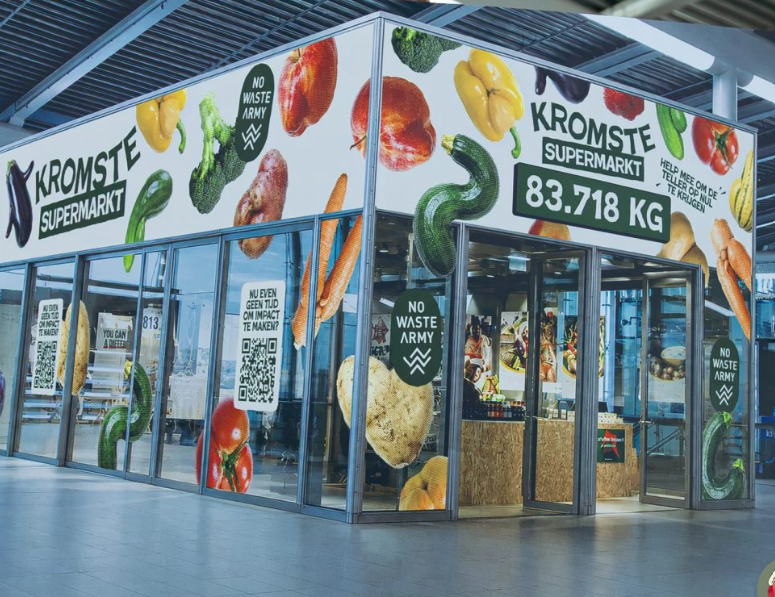
Utrecht is opening a supermarket for “ugly food”
In Utrecht, the Netherlands, from 7 to 13 September, the No Waste Army organisation is…

France becomes first EU country to ban social media access for under-15s
France’s parliament has approved a bill banning social media access for children under 15, making…