

Ultra-processed foods linked to higher lung cancer risk
27 August 2025
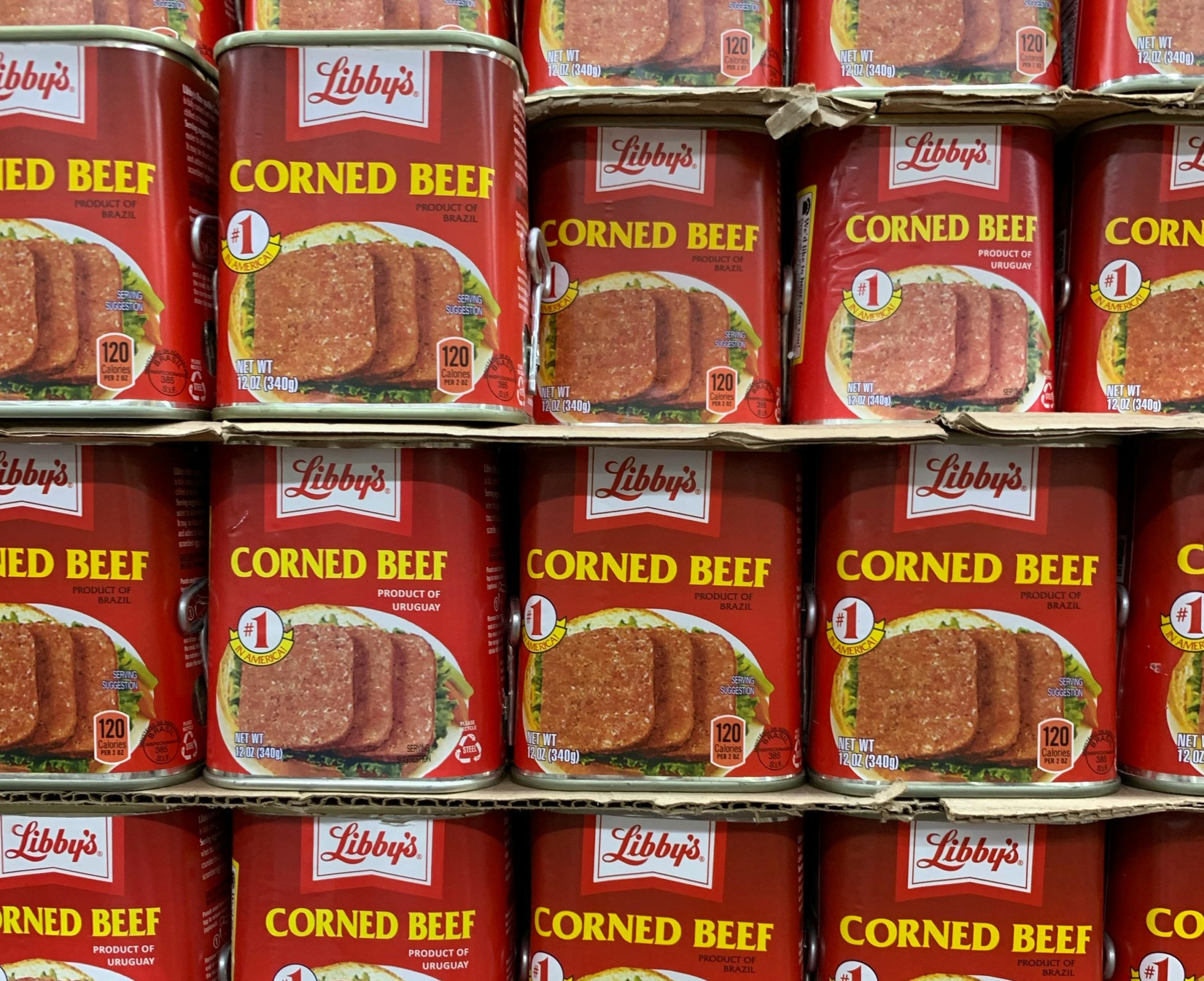
Ultra-processed foods (UPFs) can lead to a higher risk of lung cancer, according to research published by Thorax, a publication by the BMJ group. The study, run by researchers from the Chongqing University Cancer Hospital, in China, and the Department of Biomedical Informatics, from the Harvard Medical School in the US, looked at data from a cohort of 100,000 women and men from the Prostate, Lung, Colorectal and Ovarian Cancer Screening Trial in the United States. The data were gathered throughout 12 years, on average.
The study found that higher consumption of UPF is associated with an increased risk of lung cancer, including non-small cell lung cancer and small-cell lung cancer.
The mean age of the patients in this sample was 62.5 years.
After adjusting for other variables that impact lung cancer risks, the data showed a higher prevalence of lung cancer in the highest quarters for UPF consumption, compared with those in the lowest quarter. These results remained statistically significant after a large range of subgroup and sensitivity analyses.
UPFs typically undergo multiple processing steps and contain long lists of additives and preservatives. High consumption has been linked to a heightened risk of several non-communicable health conditions but, to date, there is little research on their impact on lung cancer.
Large epidemiological studies like this one on the health impacts of UPFs are essential in SAFE’s view. Their results must lead risk assessments and guide public policy.
JRC study delivers nutritional quality of food in Europe’s supermarkets
A new study by the Joint Research Centre (JRC) provides the first large-scale overview of…
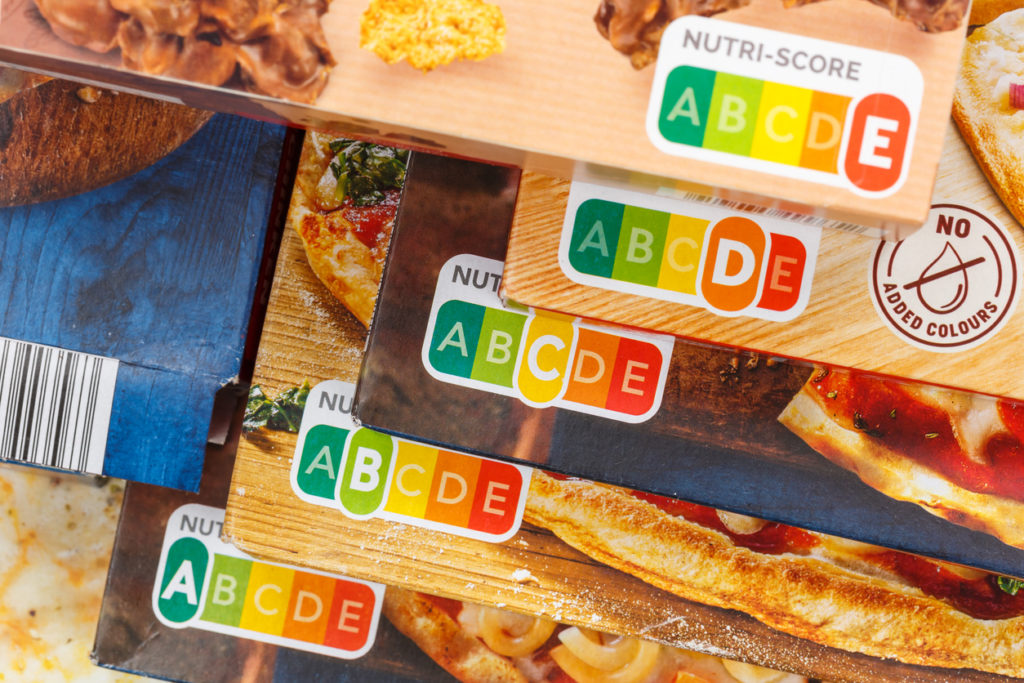
Poland withdraws Nutriscore, deeming it misleading
Nutri Score nutrition label symbol healthy eating for food Nutri-Score Poland’s decided to withdraw the…
Barcelona plans network of affordable shops
Barcelona is preparing a network of shops designed to make fresh food more affordable for…
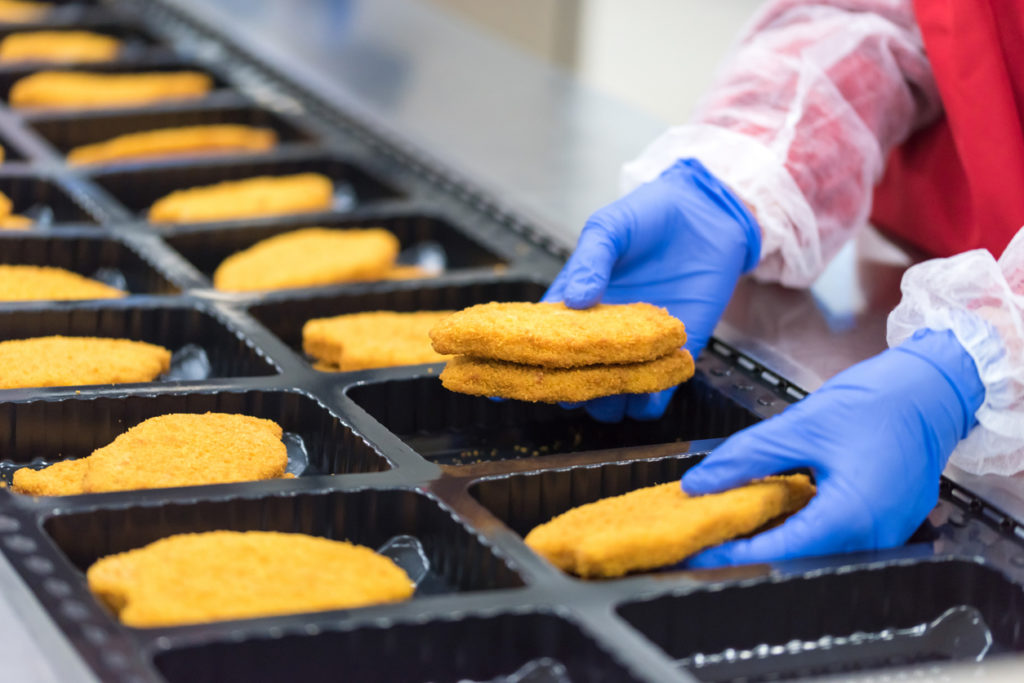
UPFs: The Commission has all the elements to implement mitigation measures
The worker in the factory places the chicken schnitzel The health risks associated with the…
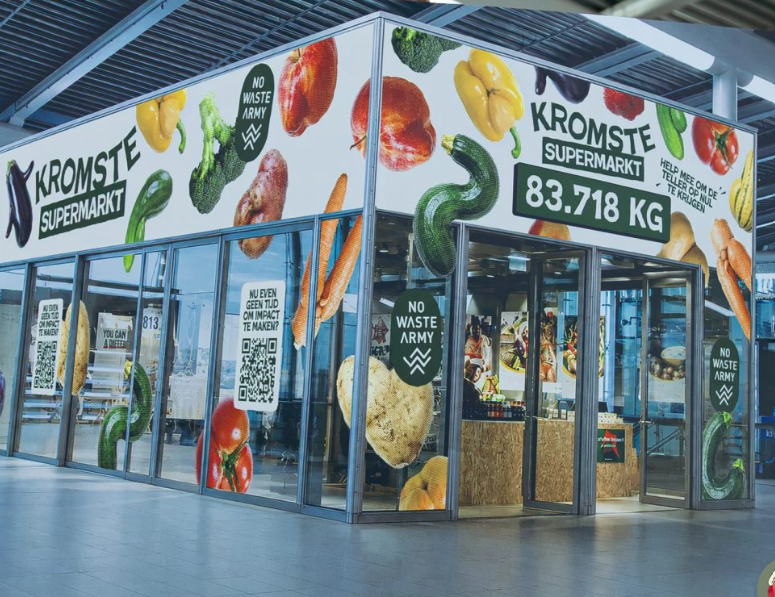
Utrecht is opening a supermarket for “ugly food”
In Utrecht, the Netherlands, from 7 to 13 September, the No Waste Army organisation is…

France becomes first EU country to ban social media access for under-15s
France’s parliament has approved a bill banning social media access for children under 15, making…