
The European Commission adopts a ban of Bisphenol A in food contact materials
19 December 2024
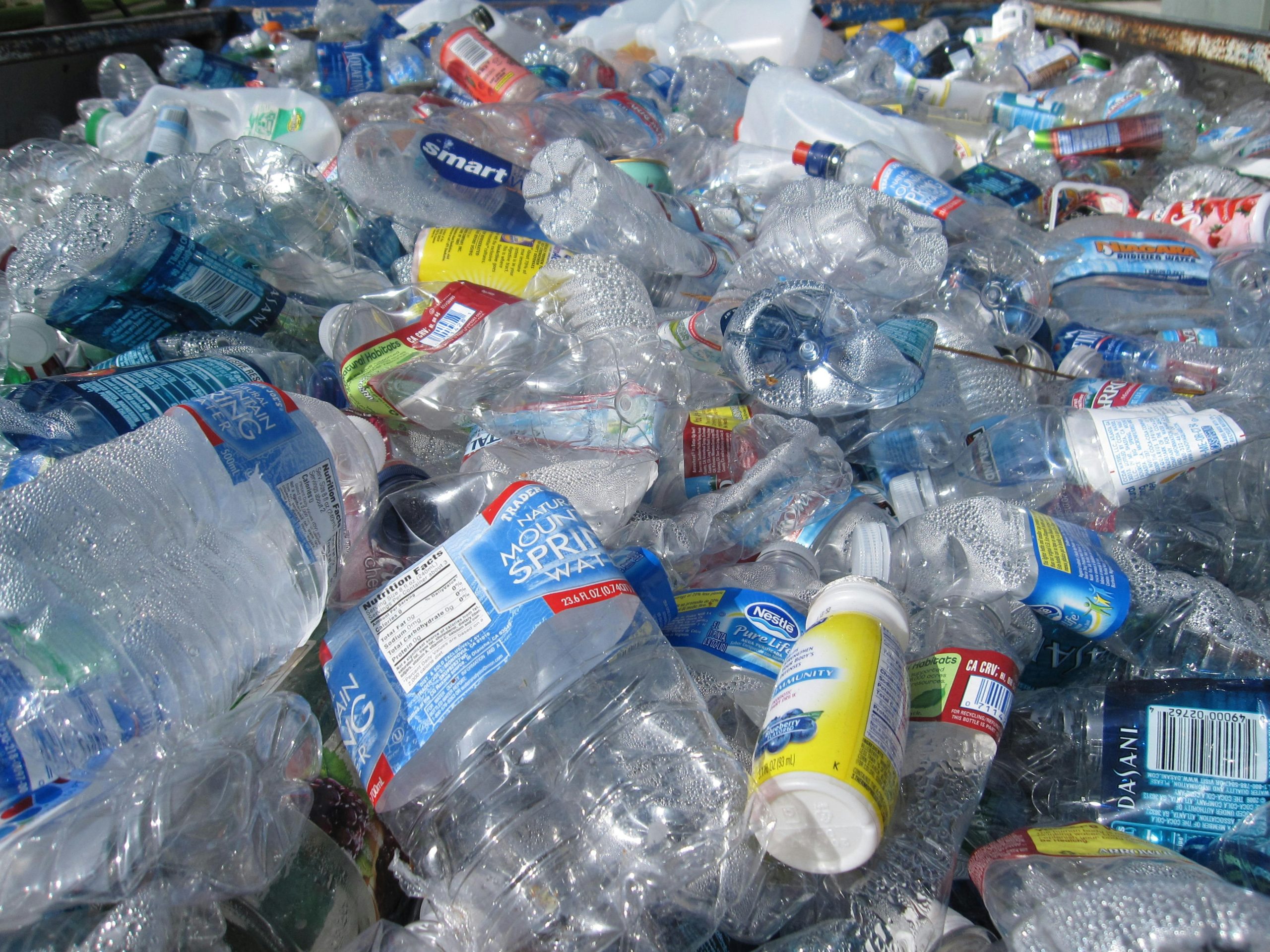
On December 19th, the European Commission adopted a ban on the use of Bisphenol A (BPA) in food contact materials due to its potentially harmful health effects. BPA is a hazardous chemical used in the production of certain plastics and resins, which are often used as protective linings in food and beverage packaging. Because of its presence in containers and other food contact materials, BPA frequently migrates into foods and drinks, and enters the human body.
This ban prohibits the use of BPA in products that come into contact with food or drink, such as coatings on metal cans, reusable plastic drink bottles, water coolers, and other kitchenware. The decision is based on the latest scientific assessment from the European Food Safety Authority (EFSA), which concluded that BPA could have harmful effects on the immune system. The ban also follows a public consultation and extensive discussions with all Member States.
BPA is already banned in the EU for infant bottles and similar products. For most other products, there will be an 18-month phase-out period, with very limited exceptions where no alternatives exist, to allow the industry time to adapt and avoid disruption in the food chain. The ban also extends to other bisphenols that are harmful to the reproductive and endocrine systems.
SAFE and the consortium of R3PACK’s project welcome this ban but also strongly urge policymakers to prioritise public health and environmental protection by fostering transparency in chemical management and risk analysis for environmental and food safety.
Find the press release here: Bisphenol A, R3PACK supports the ban from consumer products, calls for stricter rules
JRC study delivers nutritional quality of food in Europe’s supermarkets
A new study by the Joint Research Centre (JRC) provides the first large-scale overview of…
Poland withdraws Nutriscore, deeming it misleading
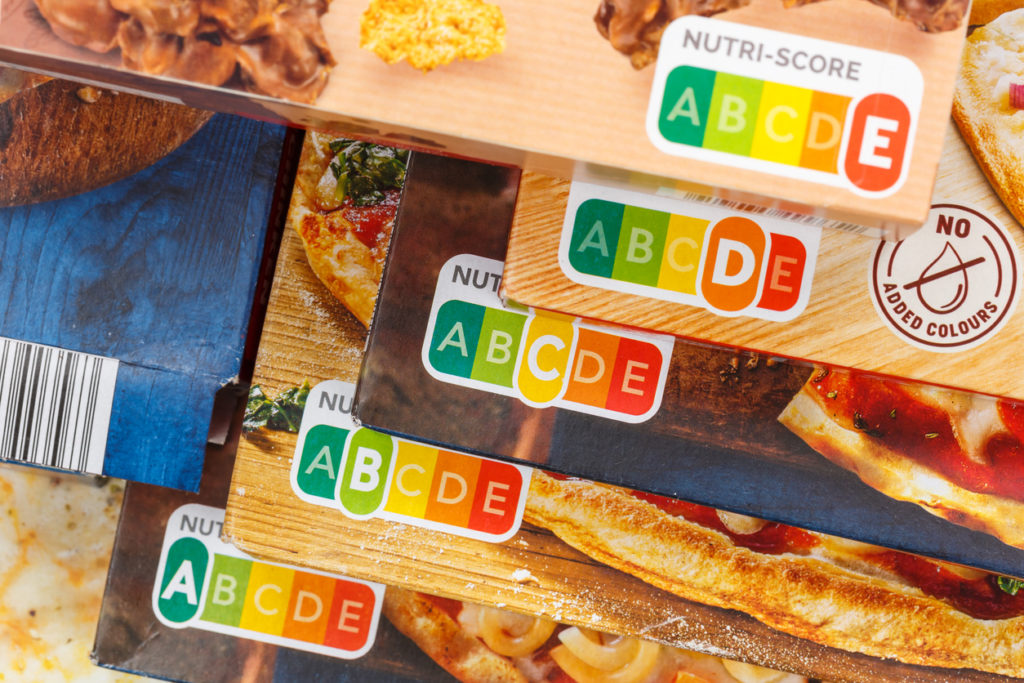
Nutri Score nutrition label symbol healthy eating for food Nutri-Score Poland’s decided to withdraw the…
Barcelona plans network of affordable shops
Barcelona is preparing a network of shops designed to make fresh food more affordable for…
UPFs: The Commission has all the elements to implement mitigation measures
The worker in the factory places the chicken schnitzel The health risks associated with the…
Utrecht is opening a supermarket for “ugly food”
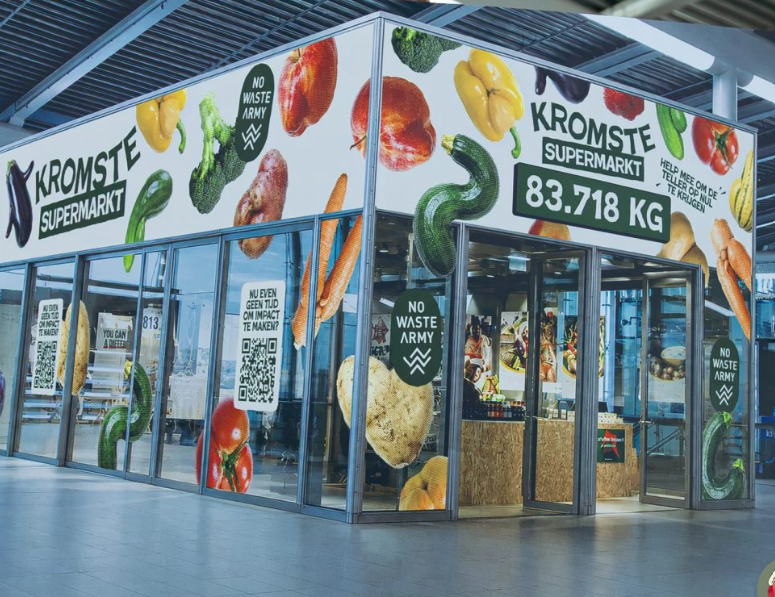
In Utrecht, the Netherlands, from 7 to 13 September, the No Waste Army organisation is…

France becomes first EU country to ban social media access for under-15s
France’s parliament has approved a bill banning social media access for children under 15, making…