
‘Planetary health diet’ could save 40,000 deaths a day, landmark report finds
03 October 2025
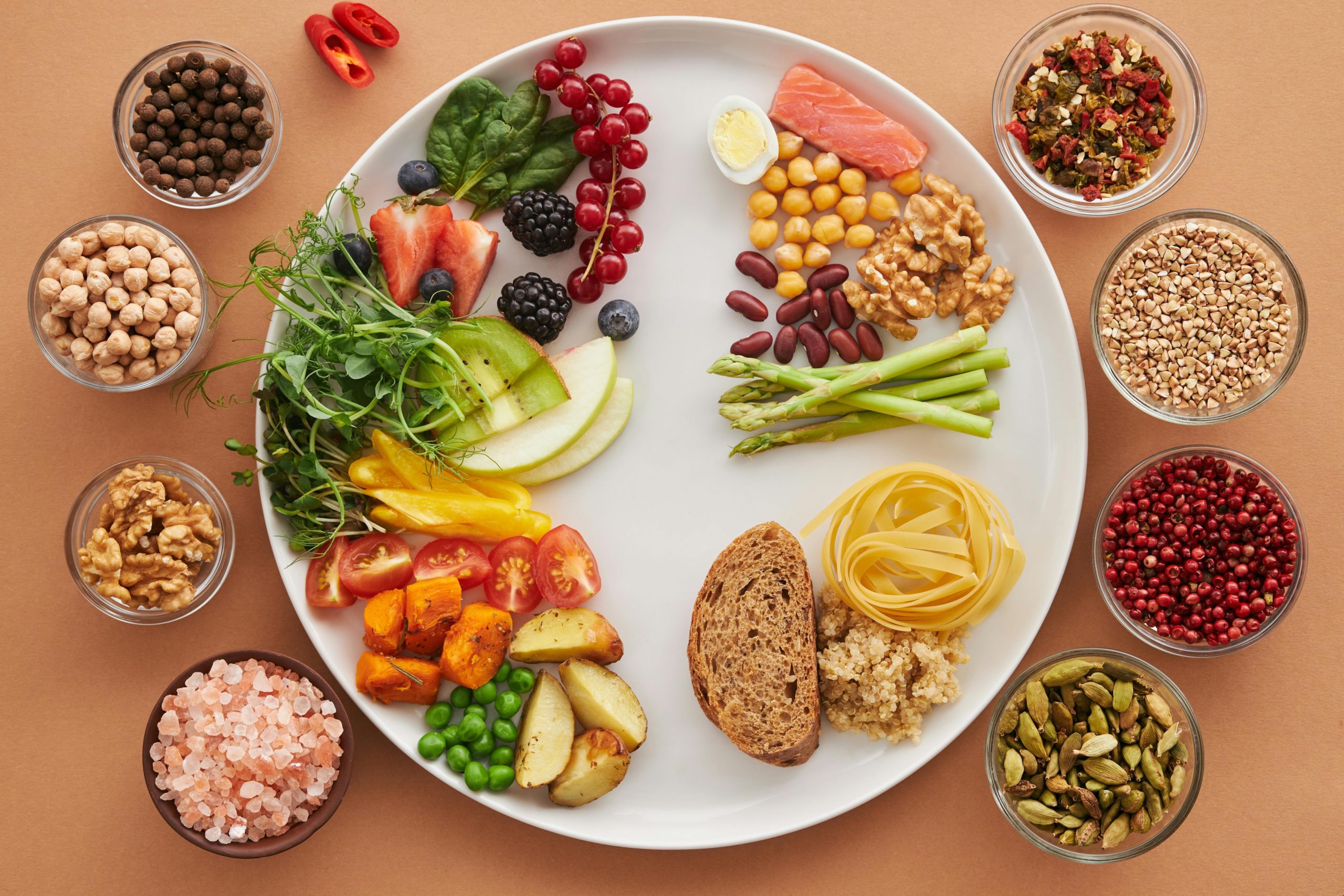
Adopting a plant-rich “planetary health diet”, including moderate meat consumption, could prevent 40,000 early deaths a day across the world, according to a report by the EAT-Lancet Commission, gathering world-leading researchers in nutrition, health, and sustainability.
The diet is linked to lower risks of heart disease, stroke, diabetes, cancer, and other non-communicable diseases.
Today, a third of greenhouse gas emissions come from the global food system. Food production is also the biggest cause of the destruction of wildlife and forests and the pollution of water.
The Planetary Health Diet recommends a plant-rich, flexible diet with daily portions of fruit, vegetables, whole grains, nuts, legumes, and dairy, with moderate weekly consumption of eggs, chicken, fish, and red meat.
Despite enough food being produced globally, 2.8 billion people cannot afford a healthy diet and 1 billion are undernourished. The Planetary Health Diet could help feed an expected population of 9.6 billion by 2050.
The report highlights that moving diets towards the Planetary Health Diet could be achieved by shifting taxes to make healthy foods cheaper and putting warning labels on unhealthy foods.
To support the adoption of this diet, the report recommends making healthy food more affordable through tax changes and adding warning labels on unhealthy products. It also calls for reducing food waste, adopting greener farming, and improving wages and working conditions in the food sector.

JRC study delivers nutritional quality of food in Europe’s supermarkets
A new study by the Joint Research Centre (JRC) provides the first large-scale overview of…
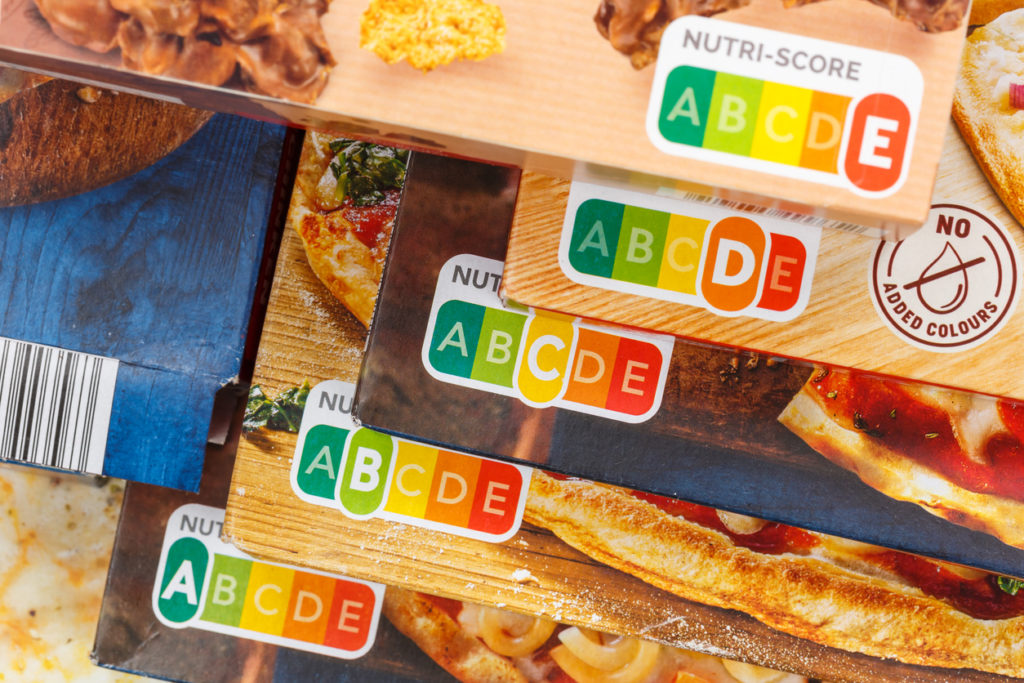
Poland withdraws Nutriscore, deeming it misleading
Nutri Score nutrition label symbol healthy eating for food Nutri-Score Poland’s decided to withdraw the…
Barcelona plans network of affordable shops
Barcelona is preparing a network of shops designed to make fresh food more affordable for…
UPFs: The Commission has all the elements to implement mitigation measures
The worker in the factory places the chicken schnitzel The health risks associated with the…
Utrecht is opening a supermarket for “ugly food”
In Utrecht, the Netherlands, from 7 to 13 September, the No Waste Army organisation is…

France becomes first EU country to ban social media access for under-15s
France’s parliament has approved a bill banning social media access for children under 15, making…