
One in five hazardous mixtures not reported to poison centres
11 February 2026

Inspectors working with the European Chemicals Agency (ECHA) in 18 countries carried out a pilot enforcement project. They examined 1,597 hazardous chemical mixtures to check if companies had properly notified these products to national poison centres, as required under the EU’s Classification, Labelling and Packaging (CLP) Regulation. The project revealed that 19% of the mixtures checked had not been notified.
Hazardous chemical mixtures in food can come from various sources, including natural contaminants, agricultural chemicals, environmental pollutants, and chemicals from processing. These mixtures can pose health risks to consumers, leading to acute reactions or chronic diseases.
Notifying any hazardous chemical mixtures is essential because poison centres rely on them to provide quick and accurate medical advice in emergencies whenever there is an exposure to these chemicals.
According to Chris Van den Hole, Chair of the project’s Working Group, missing notifications undermine emergency response efforts. Inspectors launched enforcement actions to the companies who failed to comply with legal requirements. They issued written or verbal advice, administrative orders, fines, or criminal complaints.
The project also checked if the products displayed the Unique Formula Identifier (UFI), a 16‑digit code that enables poison centres to identify a mixture quickly. Inspectors found that 15% of the products were missing this mandatory label element.
The project aimed not only to enforce rules but also to raise awareness and strengthen harmonised enforcement across the EU.
JRC study delivers nutritional quality of food in Europe’s supermarkets
A new study by the Joint Research Centre (JRC) provides the first large-scale overview of…
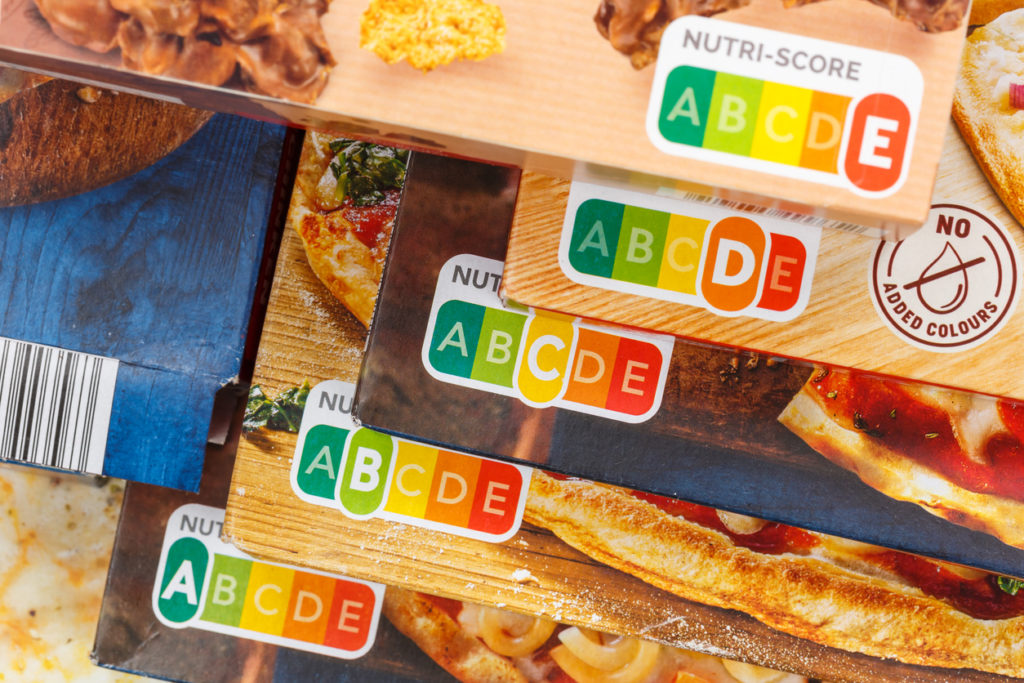
Poland withdraws Nutriscore, deeming it misleading
Nutri Score nutrition label symbol healthy eating for food Nutri-Score Poland’s decided to withdraw the…
Barcelona plans network of affordable shops
Barcelona is preparing a network of shops designed to make fresh food more affordable for…
UPFs: The Commission has all the elements to implement mitigation measures
The worker in the factory places the chicken schnitzel The health risks associated with the…
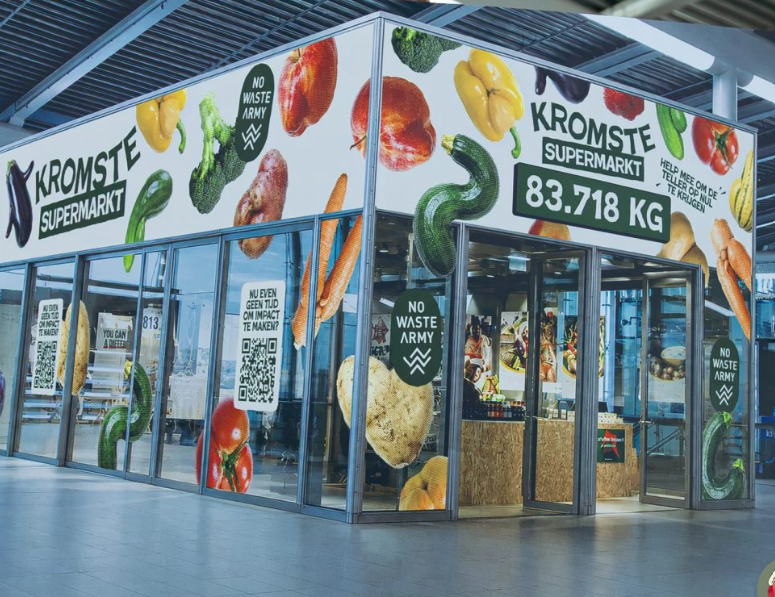
Utrecht is opening a supermarket for “ugly food”
In Utrecht, the Netherlands, from 7 to 13 September, the No Waste Army organisation is…

France becomes first EU country to ban social media access for under-15s
France’s parliament has approved a bill banning social media access for children under 15, making…