

‘Forever Chemicals’ Linked to Higher Type 2 Diabetes Risk, Study Finds
01 August 2025
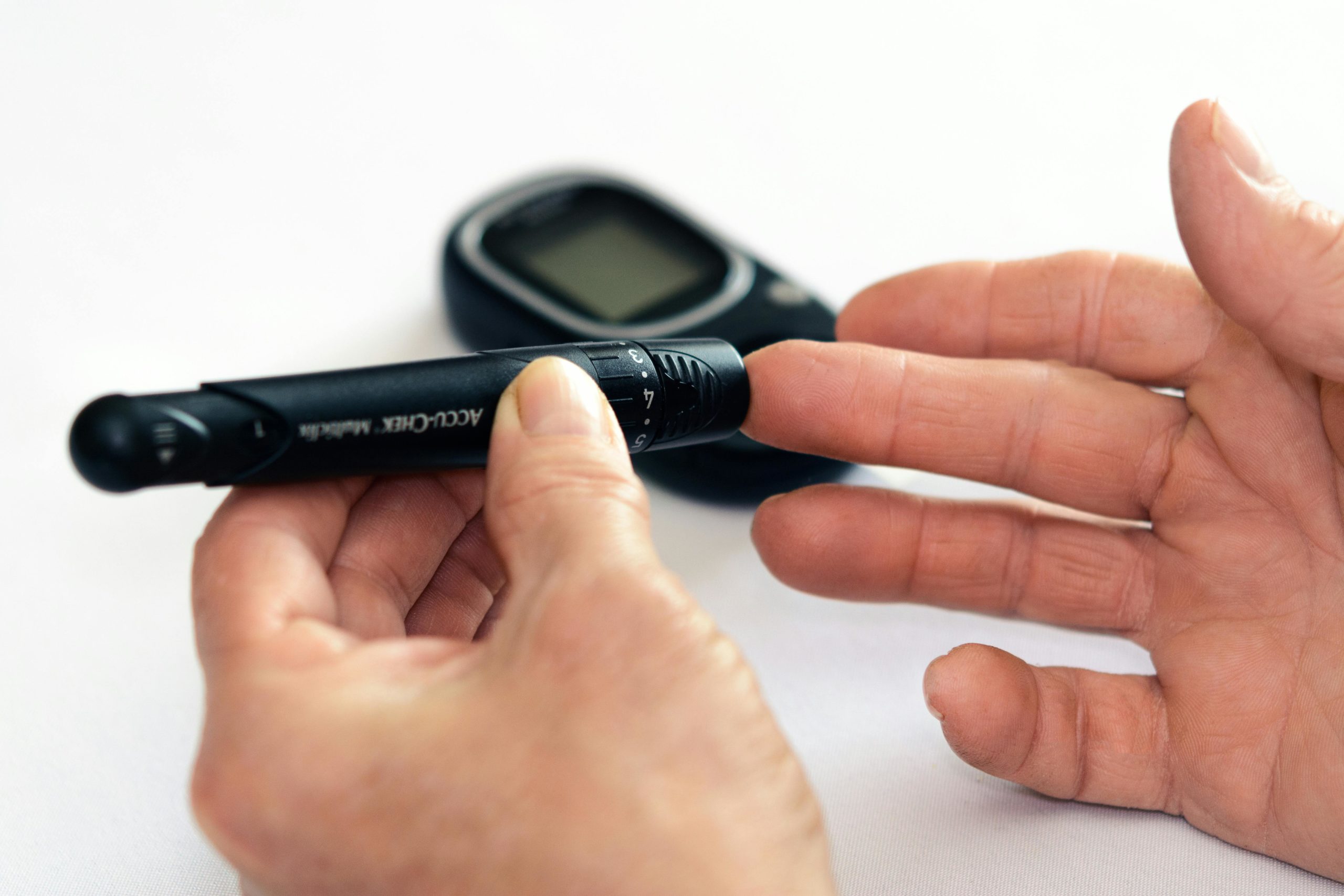
As reported by Nutrition Insight, a new US study has found that exposure to polyfluoroalkyl substances (PFAS) – commonly known as “forever chemicals” – may increase the risk of developing type 2 diabetes. Researchers at the Icahn School of Medicine at Mount Sinai observed that individuals with higher PFAS levels had a 31% greater chance of developing the condition.
PFAS are synthetic compounds used in everyday products for their resistance to heat, water, and stains. However, they persist in the environment and human bodies, raising concerns about long-term health effects. The study, published in EBioMedicine, is among the first to explore how PFAS may disrupt metabolism, particularly in diverse US populations.
Researchers analysed blood samples from 180 people recently diagnosed with type 2 diabetes and compared them with 180 matched individuals without the condition. They found that PFAS exposure may interfere with amino acid biosynthesis and drug metabolism, potentially affecting blood sugar regulation.
Senior author Dr Damaskini Valvi emphasised the need to consider environmental exposures alongside genetic and lifestyle factors when designing diabetes prevention strategies. The study is part of the BioMe cohort, a large health database based in New York.
The findings add to growing evidence linking PFAS to chronic diseases such as obesity, liver disease, and cardiovascular conditions. Meanwhile, UK researchers are exploring gut microbes that can absorb PFAS, with a supplement in development to help flush them from the body.
Experts warn that PFAS contamination is widespread, even in food systems and drinking water, underscoring the need for further research and regulation.

JRC study delivers nutritional quality of food in Europe’s supermarkets
A new study by the Joint Research Centre (JRC) provides the first large-scale overview of…
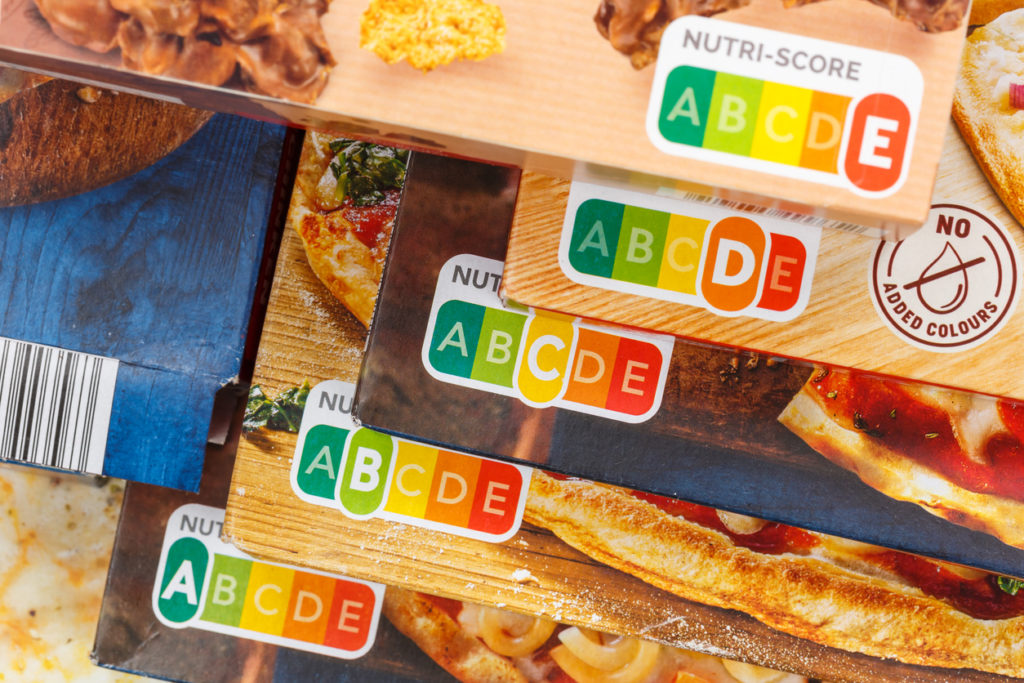
Poland withdraws Nutriscore, deeming it misleading
Nutri Score nutrition label symbol healthy eating for food Nutri-Score Poland’s decided to withdraw the…
Barcelona plans network of affordable shops
Barcelona is preparing a network of shops designed to make fresh food more affordable for…

UPFs: The Commission has all the elements to implement mitigation measures
The worker in the factory places the chicken schnitzel The health risks associated with the…

Utrecht is opening a supermarket for “ugly food”
In Utrecht, the Netherlands, from 7 to 13 September, the No Waste Army organisation is…

France becomes first EU country to ban social media access for under-15s
France’s parliament has approved a bill banning social media access for children under 15, making…