
Sweden plans to ban ‘forever chemicals’ in 2028
27 October 2026

Sweden has announced a plan to ban PFAS (per- and polyfluoroalkyl substances), often called “forever chemicals”, in products such as clothing, footwear, waterproofing treatments, kitchenware, cosmetics and ski wax, from 1 January 2028.
PFAS are chemicals used to produce many everyday products because they resist water, grease and stains. However, they have been linked to harmful health effects and remain in the environment for a very long time, which is why they are known as “forever chemicals”.
The decision of the Swedish government follows growing concerns about PFAS pollution, including a drinking water contamination case in Kallinge that affected hundreds of residents and reached the country’s Supreme Court. Environment Minister Romina Pourmokhtari expressed that Sweden cannot afford to wait while these substances continue to spread.
Sweden proves faster than the European Union on this matter, which is expecting to prepare a proposal for a broader restriction on PFAS in 2027. This would cover many everyday products, with some exemptions for essential sectors such as healthcare. Once EU rules are adopted, they will replace Sweden’s national legislation.
Since 1 January 2026, France has banned PFAS in cosmetics, clothing textiles, footwear and ski wax. However, six months after the ban came into force, it had still not been fully enforced due to a lack of inspection resources. The introduction of a fee on manufacturers responsible for releasing these “forever chemicals”, which is intended to help fund the clean-up of contaminated drinking water, has also been delayed.
The financial impact of PFAS pollution is significant. A study for the European Commission estimates that, if current pollution levels continue, the cost of PFAS contamination in Europe could reach around €440 billion by 2050.

Sweden plans to ban ‘forever chemicals’ in 2028
Sweden has announced a plan to ban PFAS (per- and polyfluoroalkyl substances), often called “forever…

JRC study delivers nutritional quality of food in Europe’s supermarkets
A new study by the Joint Research Centre (JRC) provides the first large-scale overview of…
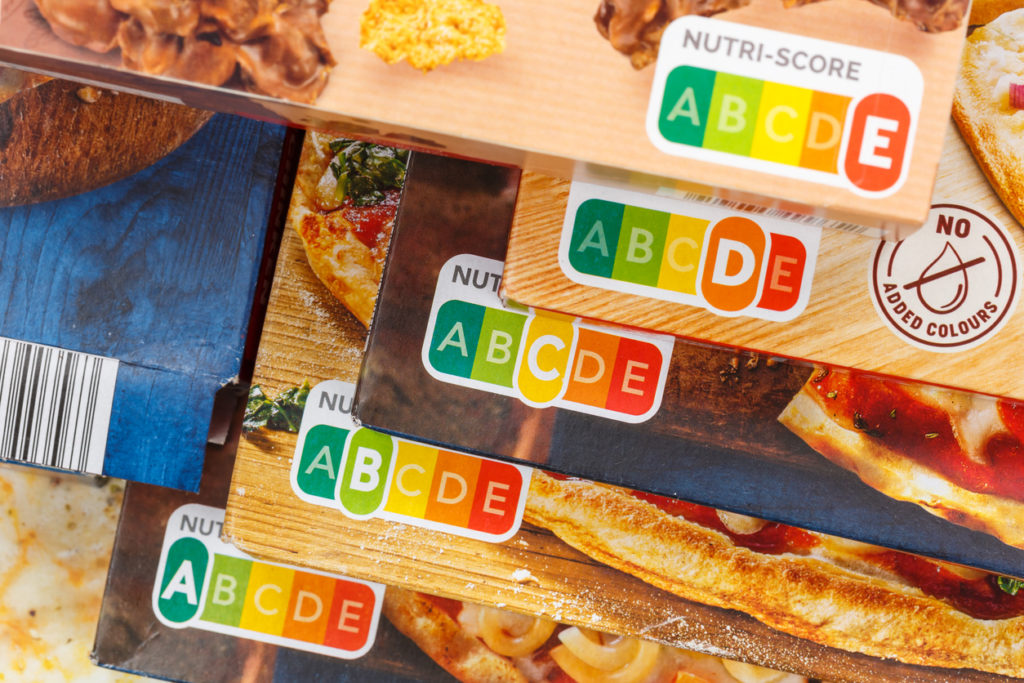
Poland withdraws Nutriscore, deeming it misleading
Nutri Score nutrition label symbol healthy eating for food Nutri-Score Poland’s decided to withdraw the…
Barcelona plans network of affordable shops
Barcelona is preparing a network of shops designed to make fresh food more affordable for…
UPFs: The Commission has all the elements to implement mitigation measures
The worker in the factory places the chicken schnitzel The health risks associated with the…
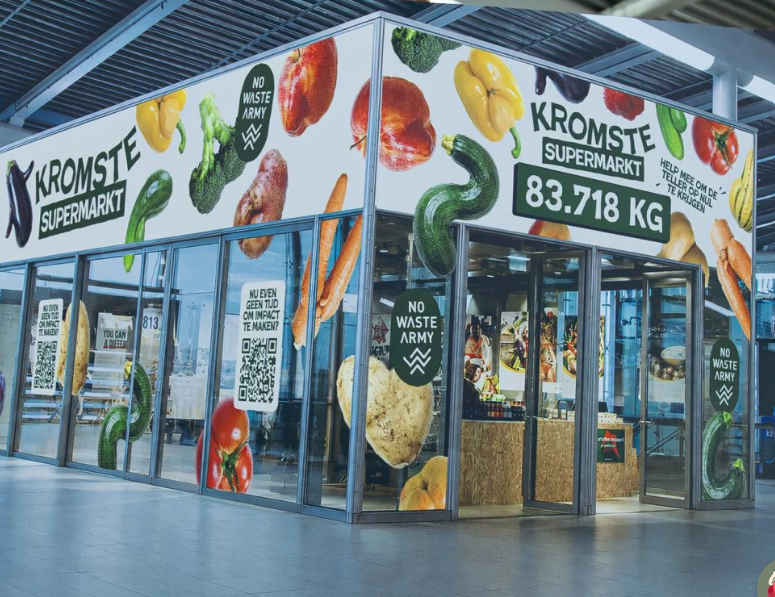
Utrecht is opening a supermarket for “ugly food”
In Utrecht, the Netherlands, from 7 to 13 September, the No Waste Army organisation is…