

JRC study delivers nutritional quality of food in Europe’s supermarkets
14 October 2026
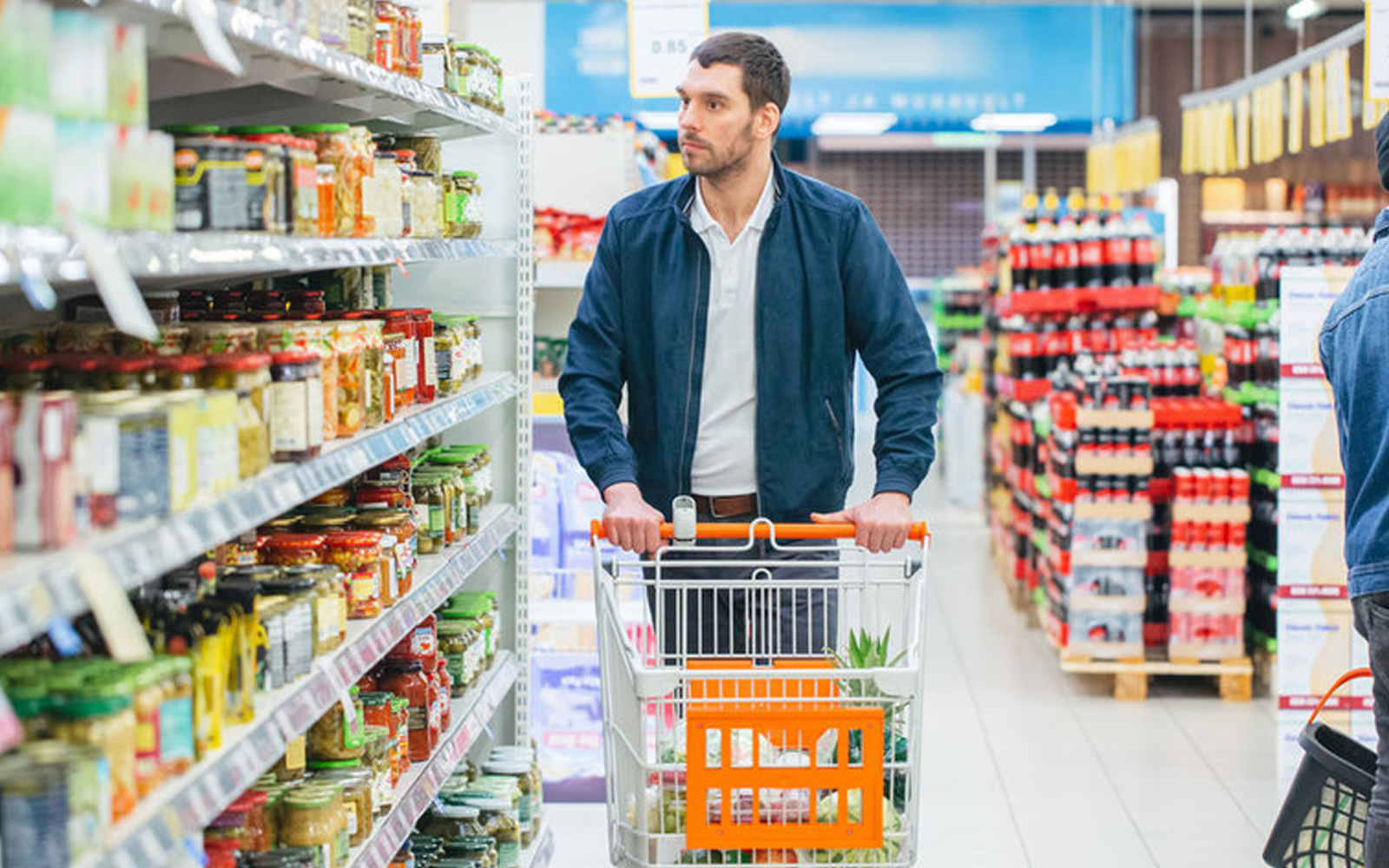
A new study by the Joint Research Centre (JRC) provides the first large-scale overview of the nutritional quality of packaged foods sold in supermarkets across 21 European countries. The analysis found major differences in nutrient content between countries, product categories, and even products within the same category. The findings show that many packaged foods still contain high amounts of nutrients linked to poor health, such as salt, sugar and saturated fat. This highlights the need for food reformulation efforts to improve the nutritional quality of products.
Reformulation is happening already in some countries. For example, researchers observed that sugar levels in breakfast cereals have fallen in many countries, however this has sometimes been replaced by higher levels of total and saturated fat.
The study also stresses the importance of looking at overall nutritional quality rather than focusing on individual nutrients in isolation.
The research is based on data from FABLE (Food and Beverages Label Explorer), a free online tool developed by the JRC that provides access to information from food labels. The tool can help researchers and policymakers track changes in food composition and identify areas where more improvements are needed.
SAFE believes that special attention should be paid to combatting purely cosmetic reformulation, like adding fibers after the processing, as opposed to naturally occurring fibers, like those found in fresh fruits and vegetables, which are the ones recommended in the dietary guidelines everywhere in the world.
JRC study delivers nutritional quality of food in Europe’s supermarkets
A new study by the Joint Research Centre (JRC) provides the first large-scale overview of…
Poland withdraws Nutriscore, deeming it misleading
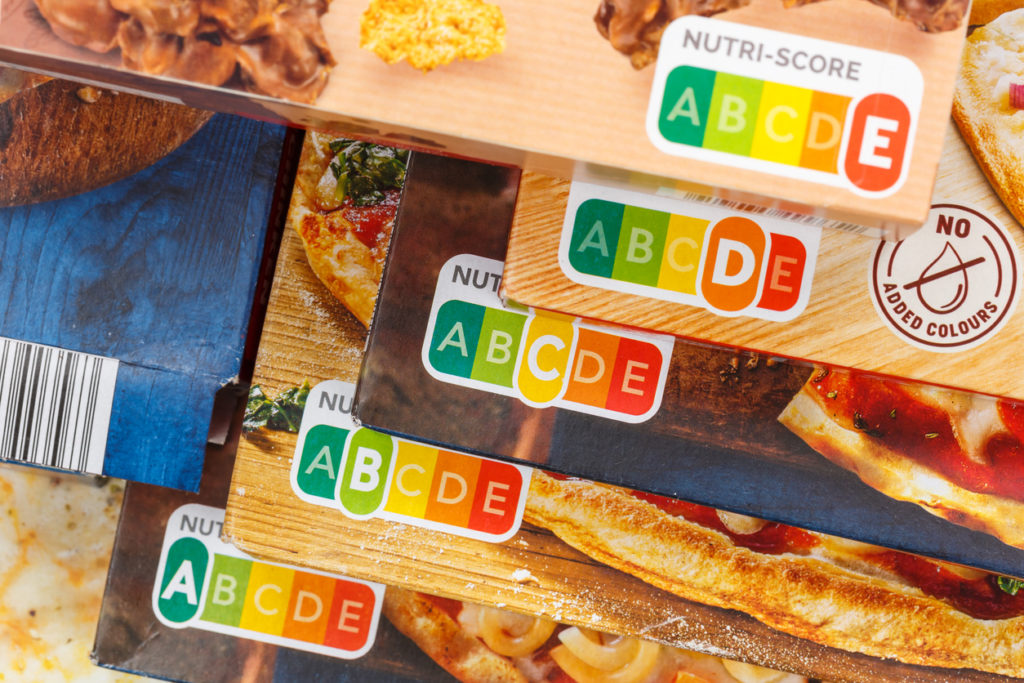
Nutri Score nutrition label symbol healthy eating for food Nutri-Score Poland’s decided to withdraw the…
Barcelona plans network of affordable shops
Barcelona is preparing a network of shops designed to make fresh food more affordable for…
UPFs: The Commission has all the elements to implement mitigation measures
The worker in the factory places the chicken schnitzel The health risks associated with the…
Utrecht is opening a supermarket for “ugly food”
In Utrecht, the Netherlands, from 7 to 13 September, the No Waste Army organisation is…

France becomes first EU country to ban social media access for under-15s
France’s parliament has approved a bill banning social media access for children under 15, making…