
UPFs: The Commission has all the elements to implement mitigation measures
01 September 2026

The health risks associated with the consumption of ultra-processed foods (UPFs) have been documented in scientific research for many years. Yet, despite a growing body of evidence, it has taken considerable time for European institutions to give the issue the attention it warrants.
We are therefore concerned that the European Commission’s scoping document for the Scientific Advice Mechanism (SAM) questions the validity of the NOVA classification system used to identify ultra-processed foods. The NOVA classification has underpinned around 15 years of research into the health effects of ultra-processed foods, including almost all of the studies cited in the Commission’s scoping document. Questioning it only undermines the efforts to protect public health from the effects of UPFs.
The SAM study is expected to conclude in a mere few months—a remarkably efficient timeline. One might gently wonder if the Commission already has all the elements in place to draft a position.
EU action is needed now
The evidence linking high consumption of ultra-processed foods with adverse health outcomes has been accumulating for years. This should already have prompted European policymakers to consider measures aimed at reducing consumers’ exposure to these products and addressing the growing burden of diet-related non-communicable diseases.
We therefore call on the European Commission to introduce measures to reduce exposure to ultra-processed foods without waiting for the outcome of the SAM study.
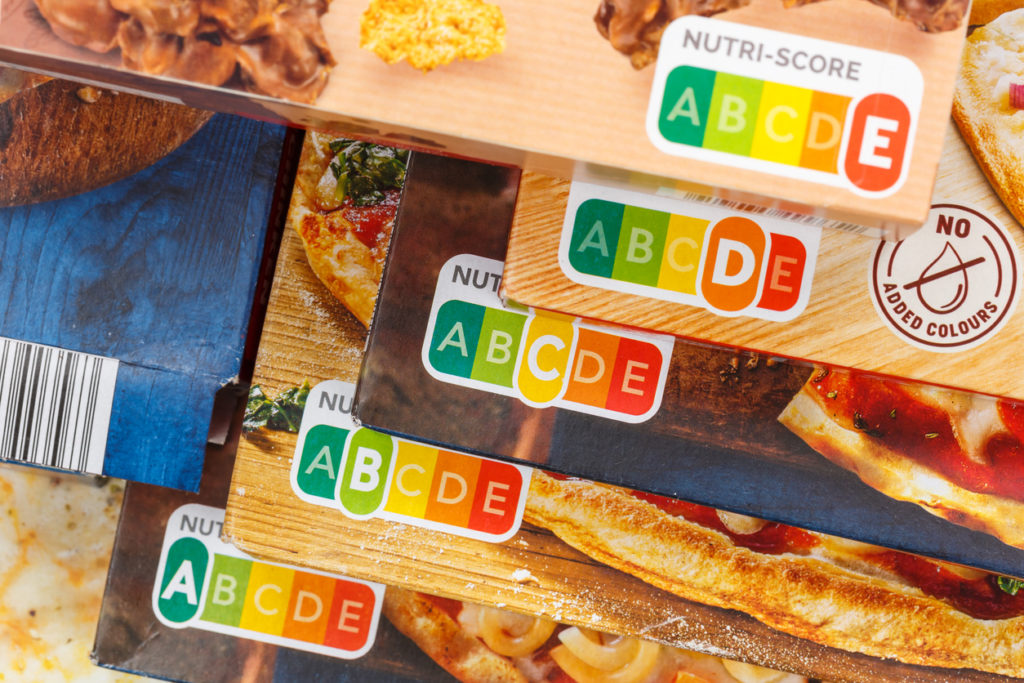
Poland withdraws Nutriscore, deeming it misleading
Nutri Score nutrition label symbol healthy eating for food Nutri-Score Poland’s decided to withdraw the…
Barcelona plans network of affordable shops
Barcelona is preparing a network of shops designed to make fresh food more affordable for…

UPFs: The Commission has all the elements to implement mitigation measures
The worker in the factory places the chicken schnitzel The health risks associated with the…
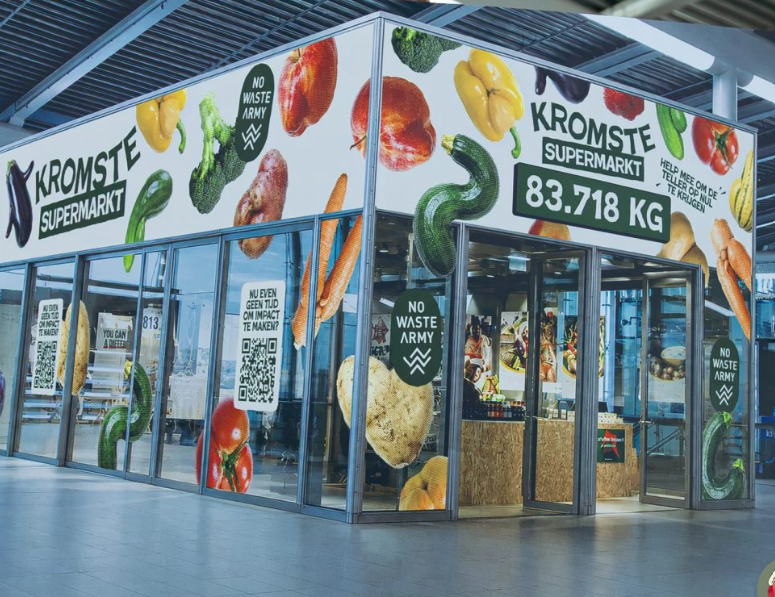
Utrecht is opening a supermarket for “ugly food”
In Utrecht, the Netherlands, from 7 to 13 September, the No Waste Army organisation is…

France becomes first EU country to ban social media access for under-15s
France’s parliament has approved a bill banning social media access for children under 15, making…

Social media marketing influences our food choices
As the UK, Canada, or Austria move towards restricting social media use for minors, studies…