

Drinking soda changes the way your body absorbs sugar — including from other food
30 April 2025
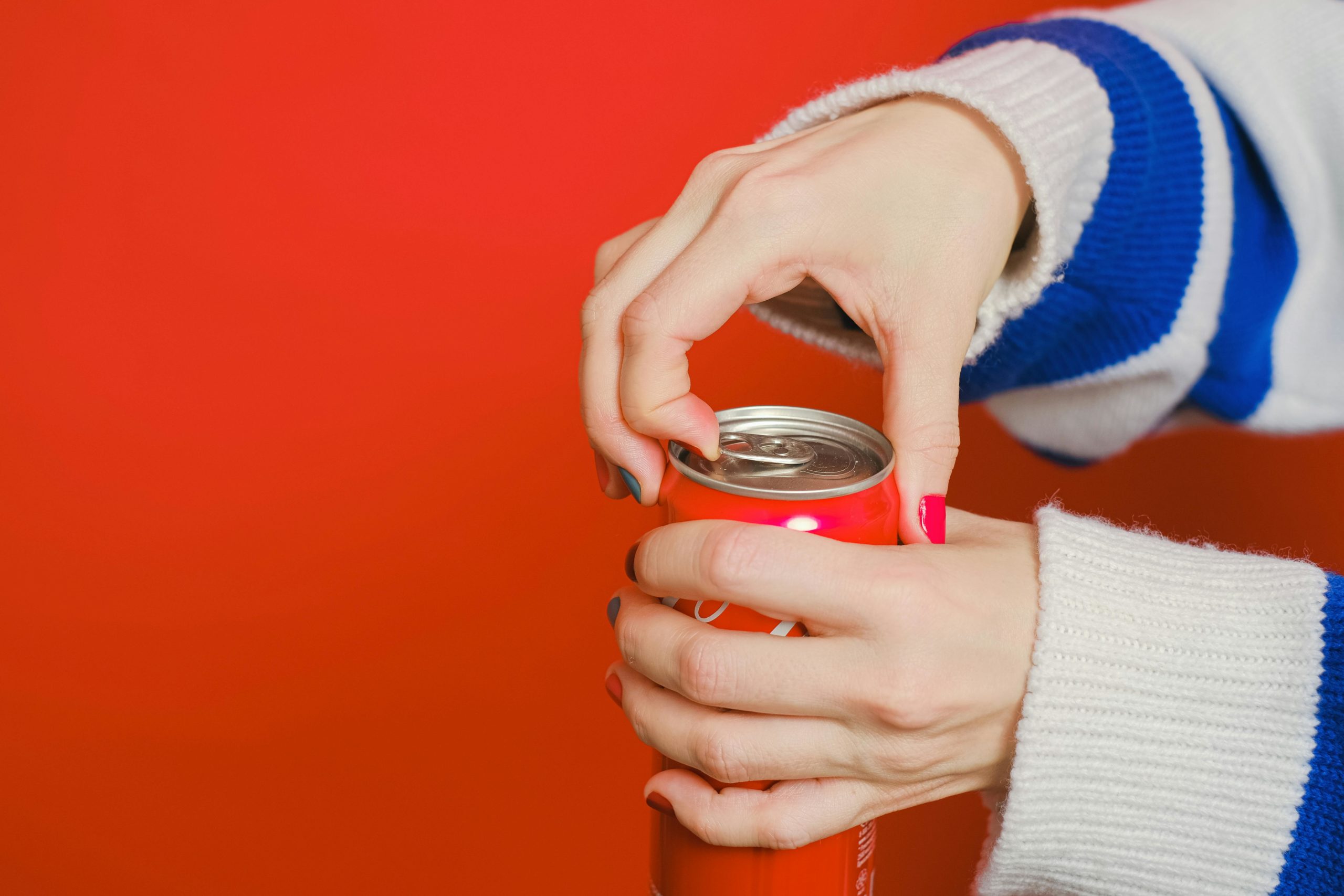
Findings from the Tata Institute of Fundamental Research indicates that poor dietary habits can alter our metabolism. Consuming sugary beverages such as sodas and flavored teas triggers the absorption of sugar in the gut, over other nutrients. Our stomachs are designed to process a variety of nutrients, including proteins, fats, and carbohydrates. But a high-sugar diet prevents the body from absorbing these essential nutrients, on top of the extra intake of calories. Excessive sugar intake increases the number of sugar transporters while reducing those that carry proteins and fats.
In the experiment, lab mice were given either regular water or water with 10% table sugar. The results showed that mice consuming the sugar water developed insulin resistance and glucose intolerance. Their stomachs adapted to absorb more sugar from all foods, not only sugary beverages. This also altered the functioning of the mice’s liver and muscles, potentially leading to diabetes and nonalcoholic fatty liver disease (NAFLD).
Researchers suggest that these findings help explain why excessive sugar intake often leads to cravings. The study also highlights that liquid sugar is more harmful than sugar in solid foods. Whole foods contain fiber and other components that slow sugar absorption, whereas sugary beverages cause a rapid spike in blood sugar and trigger these intestinal changes.
JRC study delivers nutritional quality of food in Europe’s supermarkets
A new study by the Joint Research Centre (JRC) provides the first large-scale overview of…
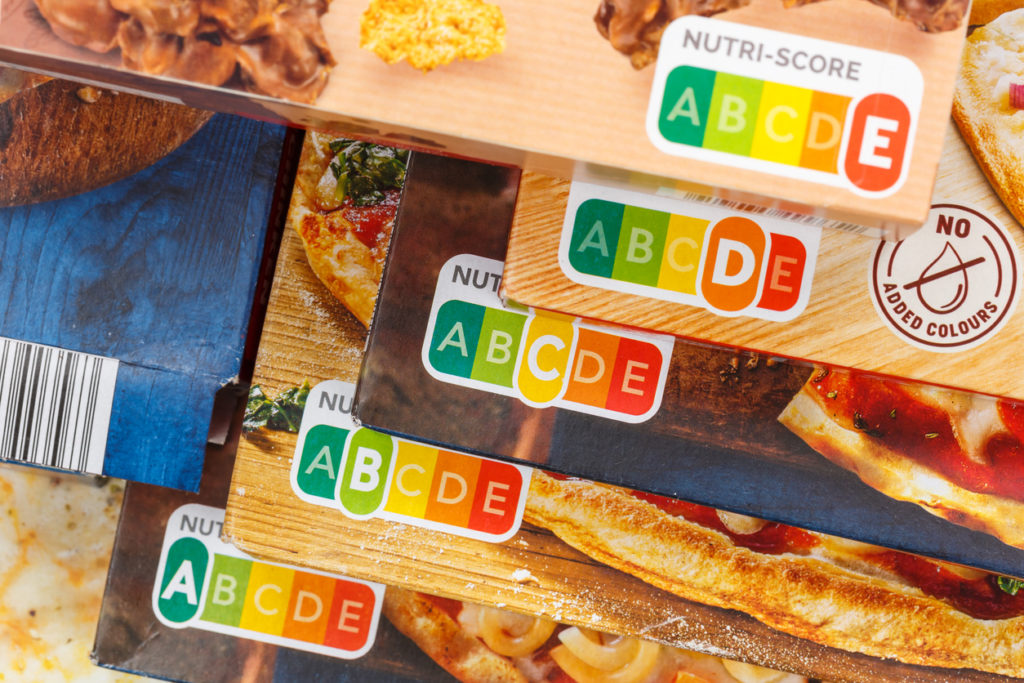
Poland withdraws Nutriscore, deeming it misleading
Nutri Score nutrition label symbol healthy eating for food Nutri-Score Poland’s decided to withdraw the…
Barcelona plans network of affordable shops
Barcelona is preparing a network of shops designed to make fresh food more affordable for…
UPFs: The Commission has all the elements to implement mitigation measures
The worker in the factory places the chicken schnitzel The health risks associated with the…
Utrecht is opening a supermarket for “ugly food”
In Utrecht, the Netherlands, from 7 to 13 September, the No Waste Army organisation is…

France becomes first EU country to ban social media access for under-15s
France’s parliament has approved a bill banning social media access for children under 15, making…