

Calorie-rich diet, more conducive to obesity than lack of exercise
23 July 2025

Economic development is associated with an increase in obesity and related health problems, usually linked to both higher caloric consumption and a sedentary lifestyle. A study by the National Academy of Sciences of the USA now suggests that diet is far more relevant than exercise levels, based on a comparison between less and more industrialised populations.
Researchers studied an economically diverse sample of 34 populations across the globe, including hunter-gatherers, pastoralists, farmers, and people in industrialised countries, measured following the United Nations’ Human Development Index (HDI). They used empirical measures of total energy expenditure (TEE), an indicator of the total energy expended per 24h. TEE was greater in more economically developed populations, in parallel with body size. When adjusted for body mass, no significant differences were found between different populations and degrees of economic development, which indicates that this factor alone has relatively little relevance in obesity increase. Sex and age differences were more relevant.
In contrast, caloric intake correlated stronger with the degree of economic development of the different populations analysed. Comparisons strongly suggest that increased caloric consumption and absorption is the primary factor promoting overweight and obesity with economic development.
The data in the study are cross-sectional and are in themselves insufficient to establish causality but they show correlation in the relationships between economic development, body fat percentage, and dietary intake. The sample studied consisted of 4,213 adults, including all populations.
These findings challenge the hypothesis that decreased physical activity is one of the main drivers of obesity. Nonetheless, the study concludes, physical activity has a broad range of well-documented health benefits and should not be disregarded.
SAFE actively works to promote healthy diets to reduce the incidence of non-communicable diseases (NCDs), through the Preventia project, as well as food literacy trainings in schools.

JRC study delivers nutritional quality of food in Europe’s supermarkets
A new study by the Joint Research Centre (JRC) provides the first large-scale overview of…
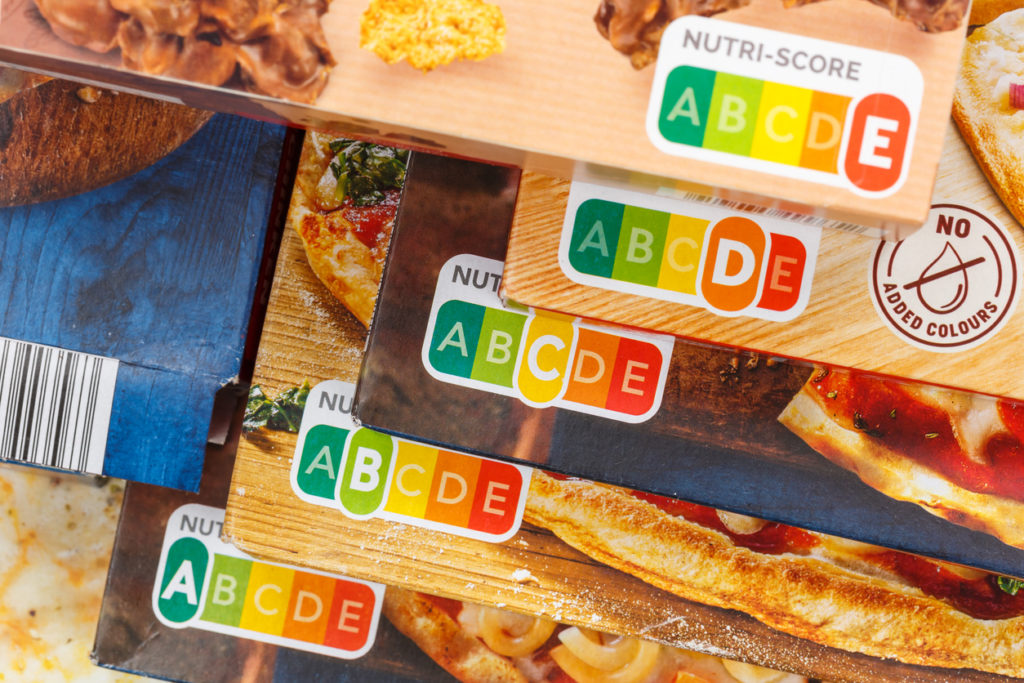
Poland withdraws Nutriscore, deeming it misleading
Nutri Score nutrition label symbol healthy eating for food Nutri-Score Poland’s decided to withdraw the…
Barcelona plans network of affordable shops
Barcelona is preparing a network of shops designed to make fresh food more affordable for…

UPFs: The Commission has all the elements to implement mitigation measures
The worker in the factory places the chicken schnitzel The health risks associated with the…
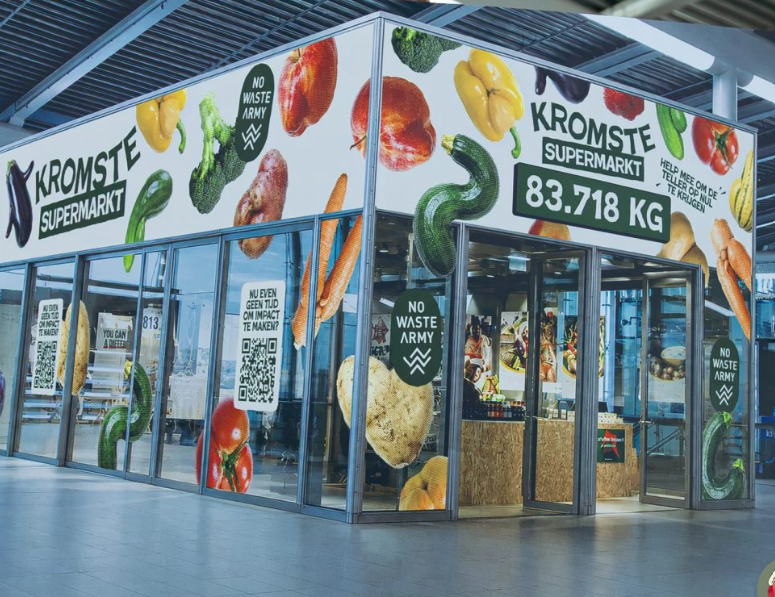
Utrecht is opening a supermarket for “ugly food”
In Utrecht, the Netherlands, from 7 to 13 September, the No Waste Army organisation is…

France becomes first EU country to ban social media access for under-15s
France’s parliament has approved a bill banning social media access for children under 15, making…