

ECHA supports EU-wide restrictions on “forever chemicals”
20 November 2026

ECHA’s Committee for Socio-Economic Analysis (SEAC) has adopted its final opinions supporting an EU-wide ban on PFAS, with some exceptions, and on certain Chromium VI substances, both under the REACH regulation. PFAS, also know as “forever chemicals”, because they are extremely difficult to break down in the natural environment, are found in a wide range of everyday consumer products and industrial applications. They are used because they repel water, oil and grease and resist heat.
For PFAS, SEAC supports a ban with specific exemptions and transition periods to allow industries time to develop alternatives. For Chromium VI, it favours a more ambitious restriction option, with a recommended transition period of at least 36 months.
The opinions will now be submitted to the European Commission, which will prepare proposals for discussion and a vote by EU Member States.
Recently, Sweden announced a plan to ban PFAS in products such as clothing, footwear, waterproofing treatments, kitchenware, cosmetics and ski wax, from 1 January 2028.

ECHA supports EU-wide restrictions on “forever chemicals”
ECHA’s Committee for Socio-Economic Analysis (SEAC) has adopted its final opinions supporting an EU-wide ban…

Article with Preventia project outcomes published by medical journal Frontiers
The article, co-authored by SAFE’s Cecilia D’Acunto, argues that health literacy approaches may contribute to…

Sweden plans to ban ‘forever chemicals’ in 2028
Sweden has announced a plan to ban PFAS (per- and polyfluoroalkyl substances), often called “forever…

JRC study delivers nutritional quality of food in Europe’s supermarkets
A new study by the Joint Research Centre (JRC) provides the first large-scale overview of…
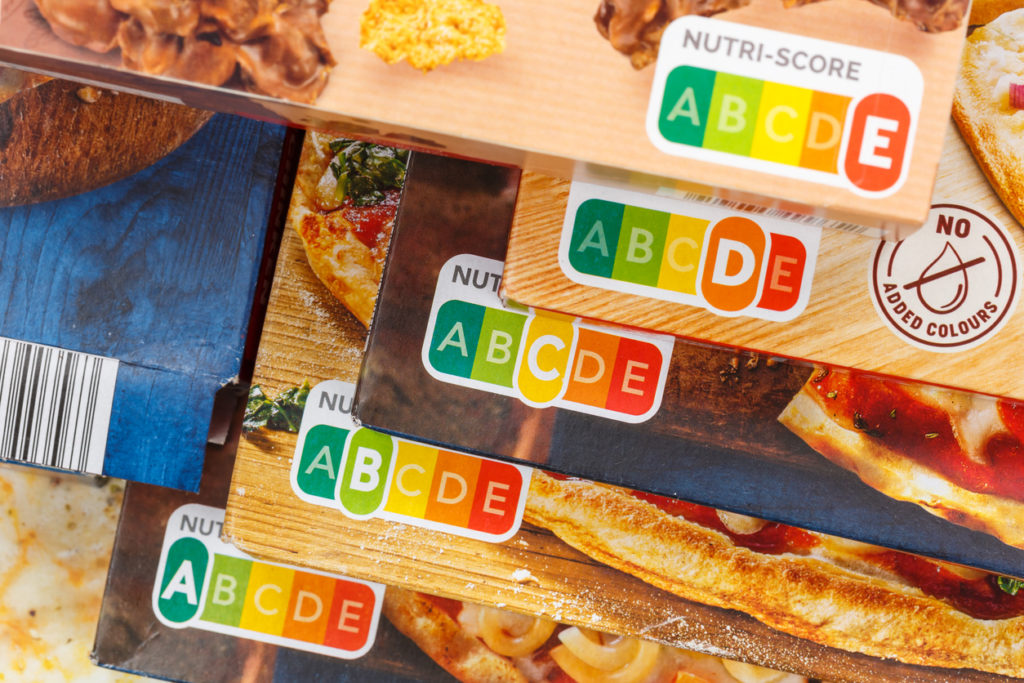
Poland withdraws Nutriscore, deeming it misleading
Nutri Score nutrition label symbol healthy eating for food Nutri-Score Poland has decided to withdraw…
Barcelona plans network of affordable shops
Barcelona is preparing a network of shops designed to make fresh food more affordable for…