
PFAS Pollution: A Growing Public Health and Environmental Concern
05 June 2025

Per- and polyfluoroalkyl substances (PFAS) are synthetic chemicals used to make products resistant to heat, stains, grease, and water. However, they pose serious risks to human health and the environment, as they persist in nature and enter the food chain via drinking water and food. They are highly persistent and therefore also known as ‘forever chemicals’.
In Wallonian municipality Écaussinnes, Belgium, a study was launched after PFAS were detected in the local water supply. Ten municipalities connected to the water supplier Hainaut Feeder may have received water with PFAS levels exceeding 100 nanograms per litre. Blood test results from residents are expected soon to assess potential health impacts.
The European Commission is under increasing pressure to act. PFAS and other persistent pollutants are building up in EU waters, with health-related costs estimated between €52 and €84 billion per year, according to estimates by the Forever Lobbying Project. Under the REACH regulation, the Commission plans to restrict PFAS in firefighting foams, a major source of emissions. SAFE calls for decisive action to tackle PFAS at the source, that goes beyond the current proposal.
The new Water Resilience Strategy presented by the Commission on 4 June includes plans to clean up heavily polluted sites, especially where PFAS remain essential for industrial use. Cleanup efforts will follow the “polluter pays” principle, with public funds used only for orphan sites where no responsible party can be identified. The cost of cleaning PFAS contamination across Europe is estimated at €5–100 billion annually, according to the Forever Lobbying Project. The water sector alone could face up to €18 billion in additional annual costs for drinking water treatment, with even higher costs for wastewater and sludge management.
The Commission aims to reduce remediation costs through innovation, promoting bio-based technologies under the Bioeconomy Strategy. A public-private initiative is proposed to develop affordable methods for detecting and cleaning up PFAS and other persistent chemicals.
SAFE welcomes these complementary measures but criticises the lack of binding commitments and the reliance on public-private partnerships. SAFE calls for stronger legal enforcement of the polluter pays principle and significant public investment to address this public health crisis.

UPFs: The Commission has all the elements to implement mitigation measures
The worker in the factory places the chicken schnitzel The health risks associated with the…

Utrecht is opening a supermarket for “ugly food”
In Utrecht, the Netherlands, from 7 to 13 September, the No Waste Army organisation is…

France becomes first EU country to ban social media access for under-15s
France’s parliament has approved a bill banning social media access for children under 15, making…

Social media marketing influences our food choices
As the UK, Canada, or Austria move towards restricting social media use for minors, studies…
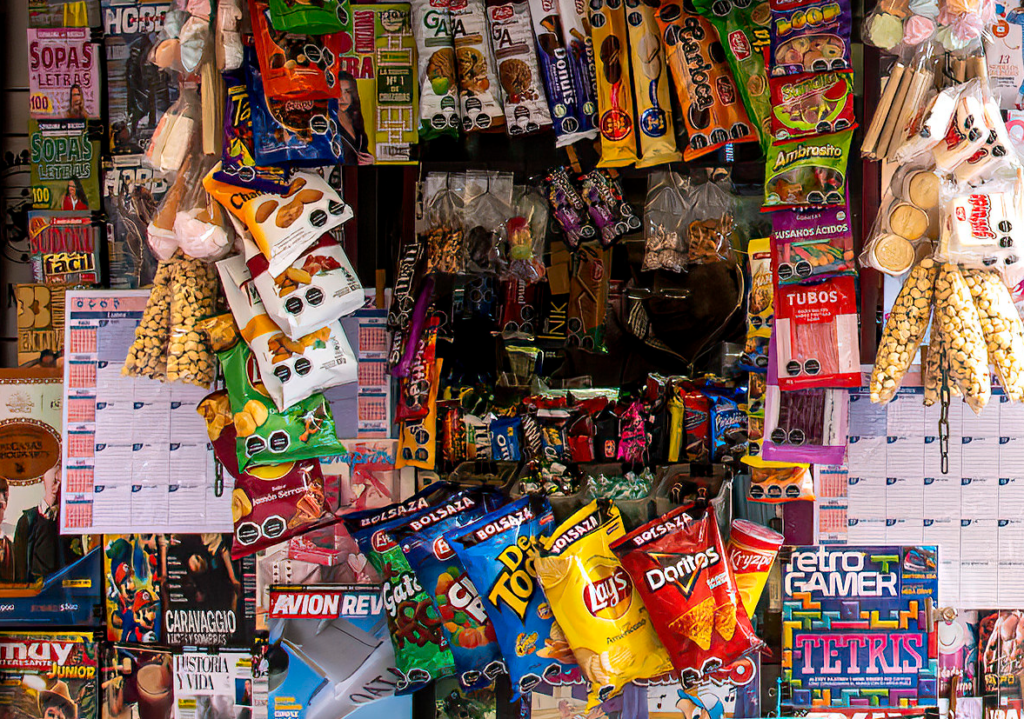
The Lancet confirms Chile’s pioneering food policy is helping reduce childhood obesity
A new study published in The Lancet provides the first national-level evidence that Chile’s comprehensive…
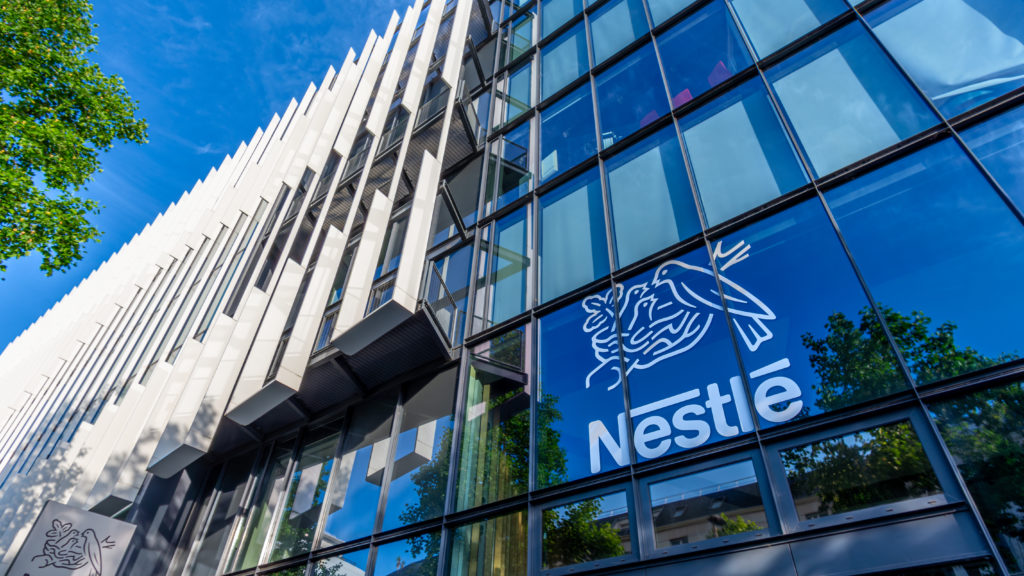
Nestlé to remove all artificial food colourings from its products this year
French headquarters building of Nestlé Nestlé plans to remove artificial food colourings from all food…