

Microplastics found in seminal plasma and ovarian follicular fluid
02 July 2025
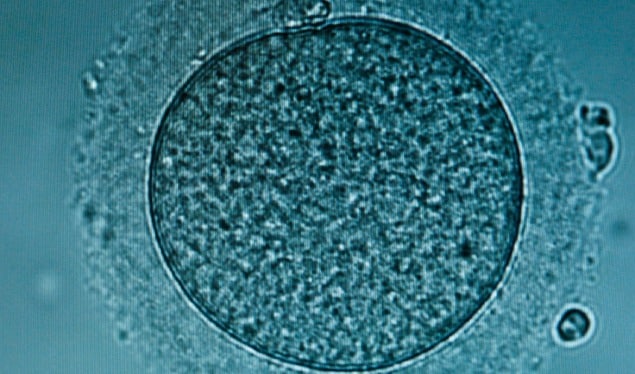
Spanish scientists have found microplastics in semen and ovaries, according to a study by Murcia University, presented at the annual meeting of the European Society of Human Reproduction and Embryology (ESHRE), El País reports.
Several studies show that microplastics have been found in the human body and pose a significant risk to human fertility. This time researchers have found microplastics in fluids directly linked to human reproduction: seminal plasma and ovarian follicular fluid.
Researchers and doctors found microplastics in 69% of ovarian follicular fluid samples, from a total of 29 samples. In the 22 samples of seminal plasma analysed, microplastics were found in 55% of them.
The microplastics found were polytetrafluoroethylene, polystyrene, polyethylene terephthalate, polyamide, and polyurethane. These substances were found in very low concentrations, sometimes two or three particles per sample. Teflon was also present in one sample.
The presence of microplastics in the human body is also linked to cardiovascular and neurodegenerative diseases.

JRC study delivers nutritional quality of food in Europe’s supermarkets
A new study by the Joint Research Centre (JRC) provides the first large-scale overview of…

Poland withdraws Nutriscore, deeming it misleading
Nutri Score nutrition label symbol healthy eating for food Nutri-Score Poland’s decided to withdraw the…

Barcelona plans network of affordable shops
Barcelona is preparing a network of shops designed to make fresh food more affordable for…
UPFs: The Commission has all the elements to implement mitigation measures
The worker in the factory places the chicken schnitzel The health risks associated with the…

Utrecht is opening a supermarket for “ugly food”
In Utrecht, the Netherlands, from 7 to 13 September, the No Waste Army organisation is…

France becomes first EU country to ban social media access for under-15s
France’s parliament has approved a bill banning social media access for children under 15, making…