
Italian institute calls for highest cancer risk profile for acrylamide
13 January 2025

A working group on cancer linked to the Ramazzini Institute in Bologna spotted the need to move acrylamide to the top risk profile for carcinogens, from probable carcinogen to known carcinogen, after new tests have revealed a direct relation between acrylamide and kidney, breast, ovary, and endometrium cancers.
This conclusion comes from the Cesare Maltoni Centre, linked to the Ramazzini Institute in Bologna, a member of the working group of the UN’s International Agency for Research on Cancer.
New studies show that an intake of 20 micrograms of acrylamide per day correlates with an increase in breast cancer incidence in pre-menopausic women, when a pack of crisps typically contains 30 micrograms of acrylamide, according to Dr. Daniele Mandrioli, from the Cesare Maltoni Centre, as quoted by the Italian consumer magazine “Il Salvagente”.
Also speaking to this outlet, SAFE’s Secretary General Floriana Cimmarusti called for legally-binding maximum levels of acrylamide in the EU, well below the current benchmark levels, which are only indicative. The general benchmark level is 750 micrograms per kilo.
To protect babies and children specifically, SAFE has called for a legally binding level below 40 micrograms per kilo for baby foods and for a level well below 150 micrograms per kilo for foods that are not specifically for children but are directly marketed to them.
SAFE calls for the European institutions to address gaps in EU legislation, reminding that there is no safe daily dose of acrylamide established by the European Food Safety Agency (EFSA).
JRC study delivers nutritional quality of food in Europe’s supermarkets
A new study by the Joint Research Centre (JRC) provides the first large-scale overview of…
Poland withdraws Nutriscore, deeming it misleading
Nutri Score nutrition label symbol healthy eating for food Nutri-Score Poland’s decided to withdraw the…
Barcelona plans network of affordable shops
Barcelona is preparing a network of shops designed to make fresh food more affordable for…
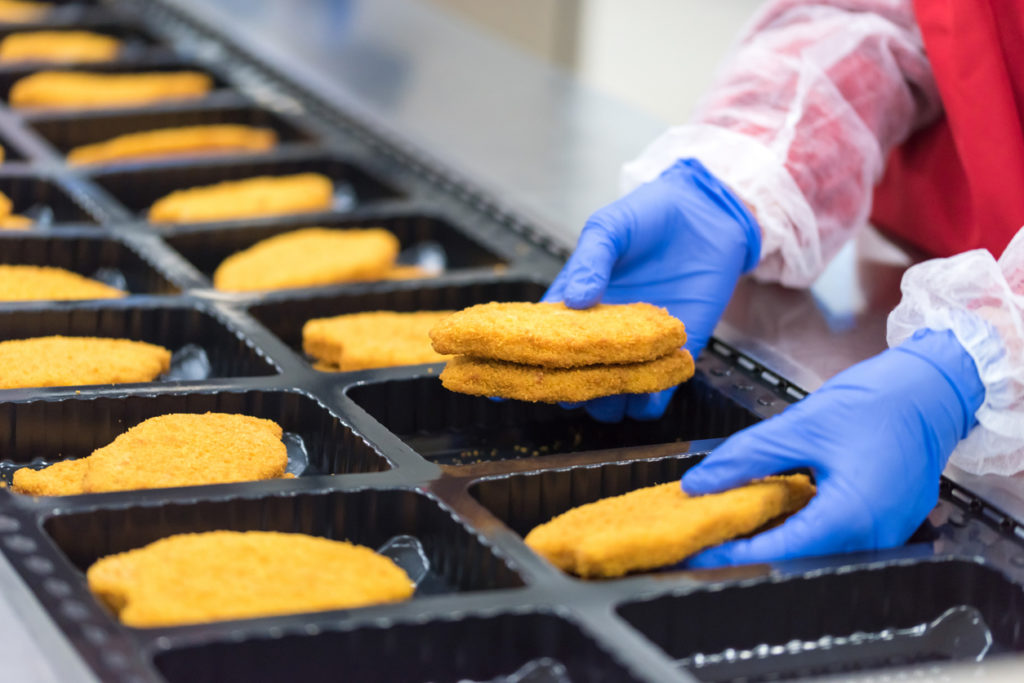
UPFs: The Commission has all the elements to implement mitigation measures
The worker in the factory places the chicken schnitzel The health risks associated with the…
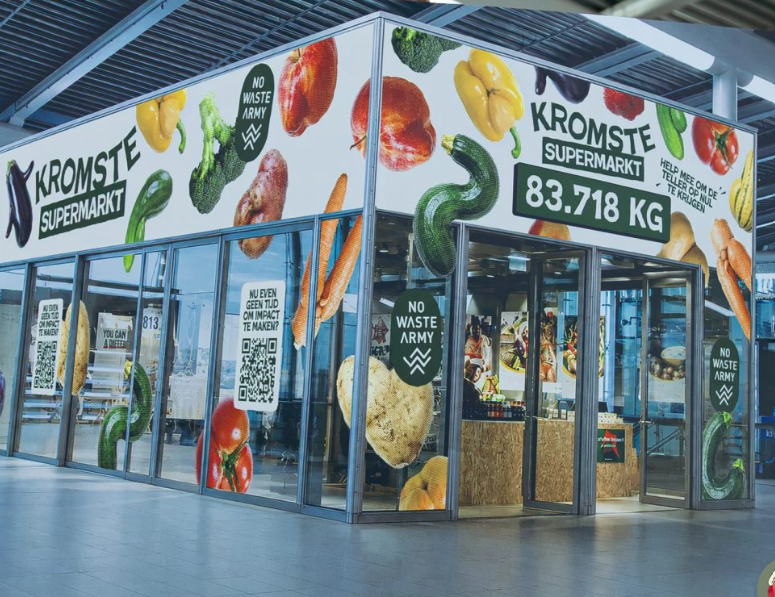
Utrecht is opening a supermarket for “ugly food”
In Utrecht, the Netherlands, from 7 to 13 September, the No Waste Army organisation is…

France becomes first EU country to ban social media access for under-15s
France’s parliament has approved a bill banning social media access for children under 15, making…