
Diet and Sugary Drinks Linked to Higher Liver Disease Risk
09 October 2025
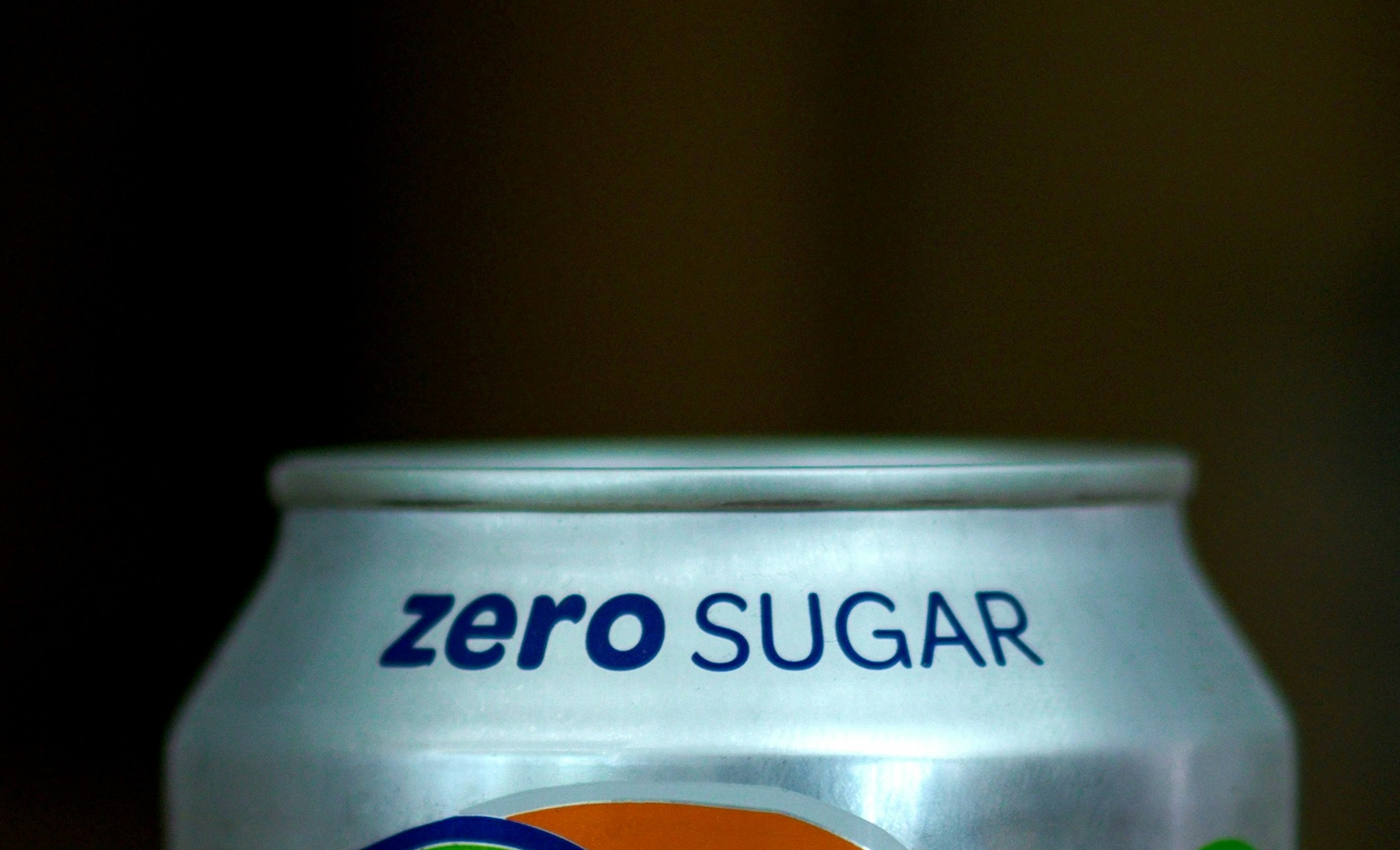
A recent study presented at UEG Week 2025, the annual congress of United European Gastroenterology, has revealed that consuming diet drinks may affect health just as much as sugary drinks. Researchers found that both beverages could significantly increase the risk of developing non-alcoholic fatty liver disease (NAFLD). This condition appears when fat accumulates in the liver of individuals who drink little or no alcohol, and it can progress to liver scarring, cirrhosis, and even liver cancer.
Drinking just one can of diet drink per day may raise the risk by as much as 60%. The findings add to growing concerns about artificial sweeteners and their long-term effects on health. Liver damage linked to sugary drinks can result from spikes in blood sugar, which triggers the accumulation of fat in the liver. Artificial sweeteners can disrupt the gut microbiome, increase insulin resistance, and cravings for sweet foods, which can severe liver function.
Doctors advise choosing water or unsweetened beverages over both regular and diet soft drinks to support liver health.
JRC study delivers nutritional quality of food in Europe’s supermarkets
A new study by the Joint Research Centre (JRC) provides the first large-scale overview of…
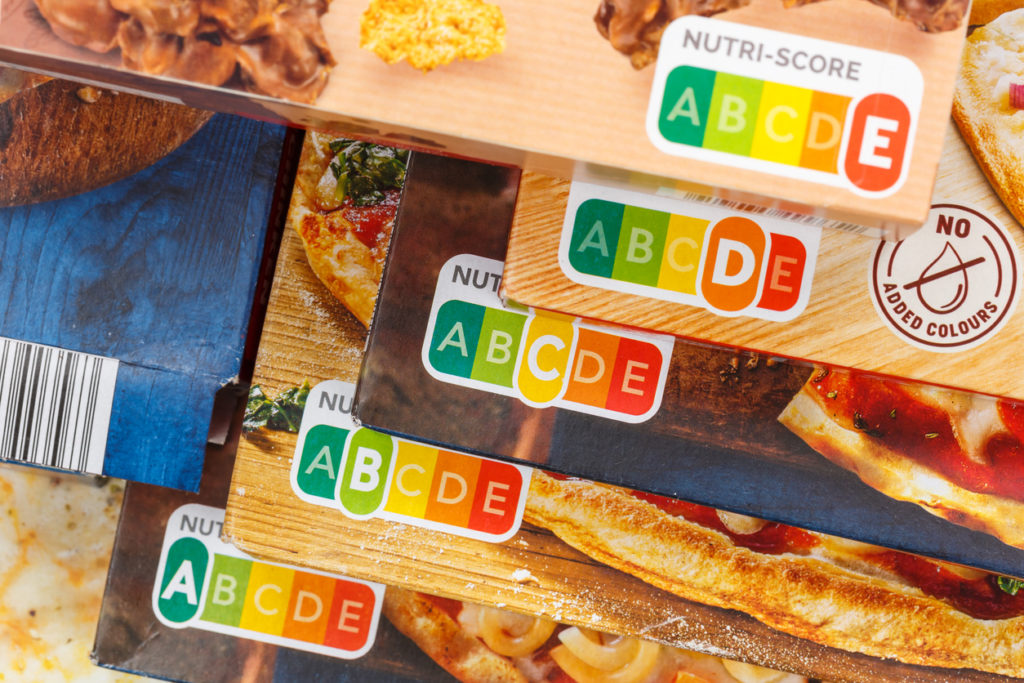
Poland withdraws Nutriscore, deeming it misleading
Nutri Score nutrition label symbol healthy eating for food Nutri-Score Poland’s decided to withdraw the…
Barcelona plans network of affordable shops
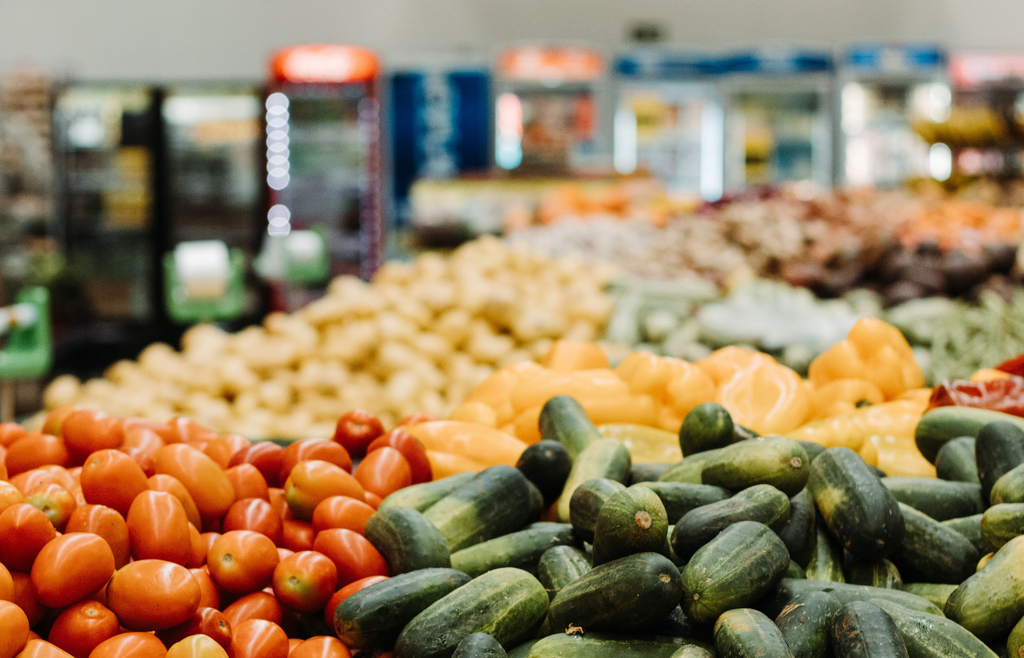
Barcelona is preparing a network of shops designed to make fresh food more affordable for…
UPFs: The Commission has all the elements to implement mitigation measures
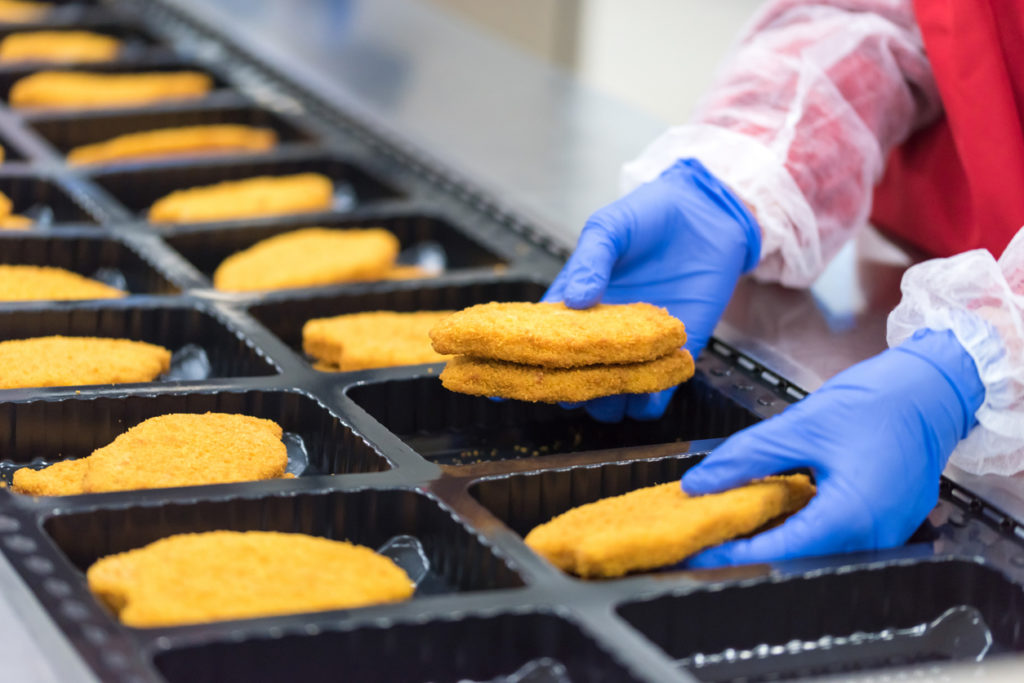
The worker in the factory places the chicken schnitzel The health risks associated with the…
Utrecht is opening a supermarket for “ugly food”
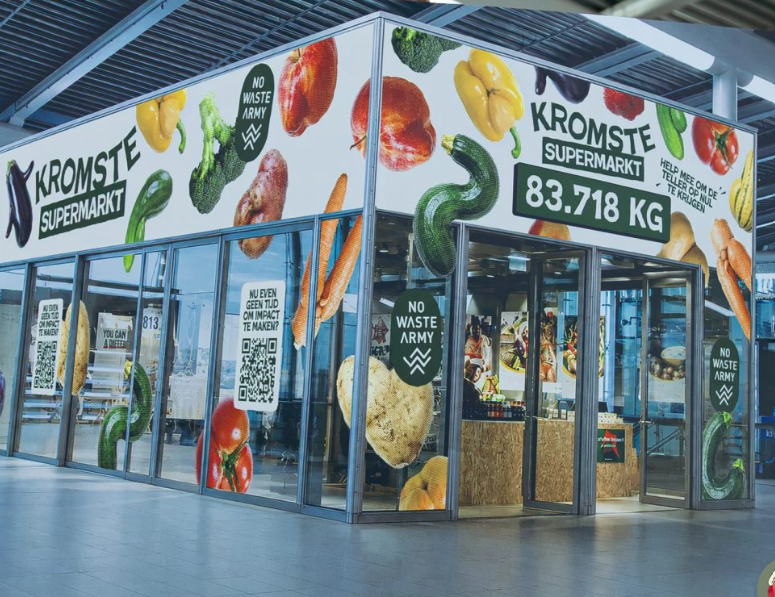
In Utrecht, the Netherlands, from 7 to 13 September, the No Waste Army organisation is…

France becomes first EU country to ban social media access for under-15s
France’s parliament has approved a bill banning social media access for children under 15, making…