
78% of Walloon agricultural soil contaminated with insecticides, according to a new study by UCLouvain
22 January 2026
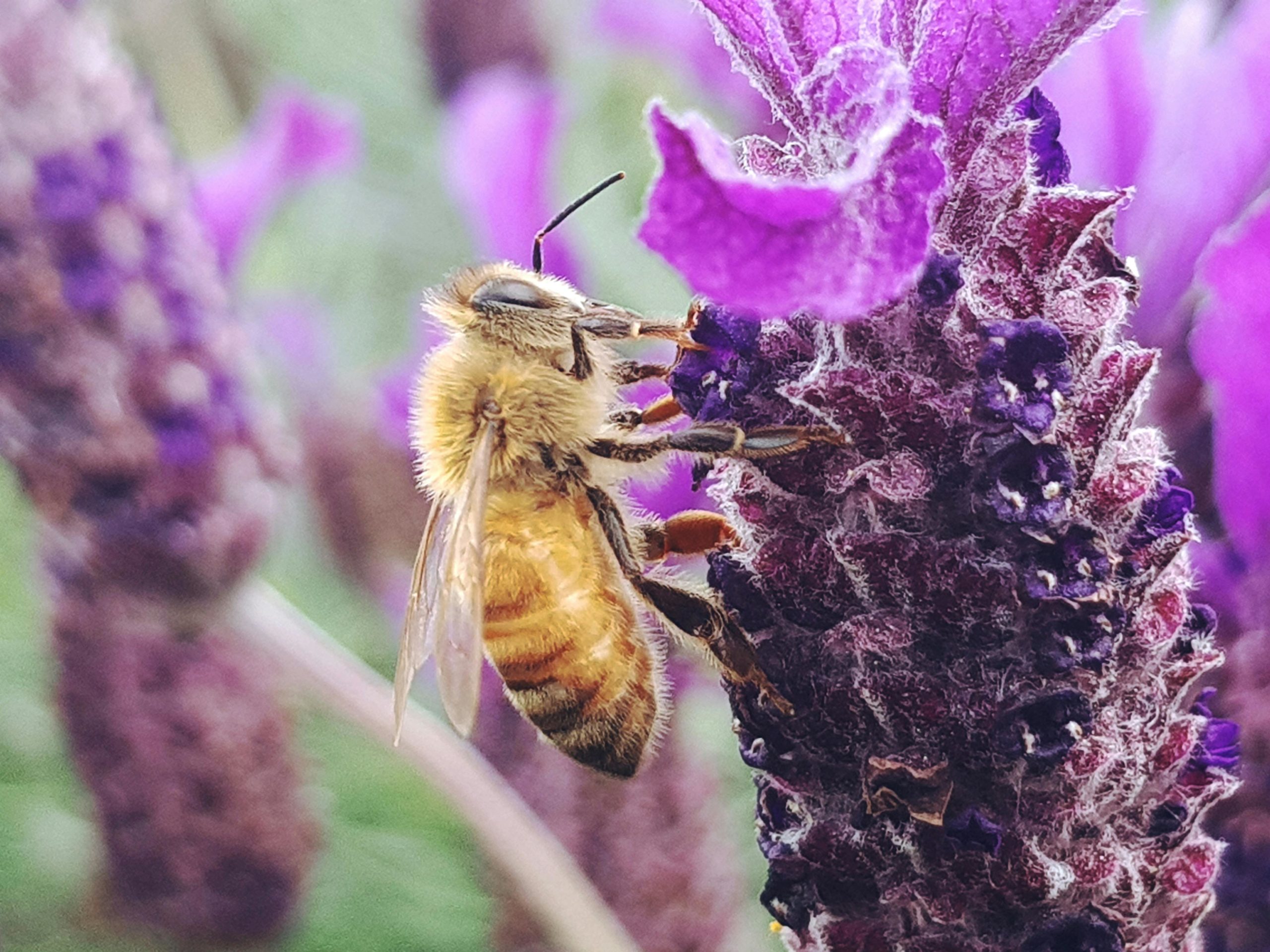
Scientists from the Earth and Life Institute at UCLouvain have published a study in the Journal of Hazardous Materials, revealing that among 86 agricultural plots analysed in Wallonia, 78% contained residues of neonicotinoids, a family of insecticides known for their harmful effects on pollinators. Alarmingly, these pesticides were also detected on plots that had never been directly treated. The publication comes after the EU has approved measures simplifying certain environmental regulations.
These findings highlight that neonicotinoids can persist in the environment for several years and impact pollinators, water quality, and ecosystems.
Another part of the research focused on cover crops, plants grown between two main crops to protect the soil and provide flowers for pollinators. The study shows that these plants absorb neonicotinoid residues from the soil. Sometimes the insecticide was detected after three years since the last treatment. The pesticides were found in the leaves, roots, flowers, and even in pollen, which is used by pollinators.
The study clearly shows that soils can still contain pesticide residues long after these have been banned. The UCLouvain scientists recommend greater caution in agri-environmental policies. They emphasise that the planning of treatments and how grasslands or flower strips are designed are essential to limit the persistent effects of these insecticides.

UPFs: The Commission has all the elements to implement mitigation measures
The worker in the factory places the chicken schnitzel The health risks associated with the…
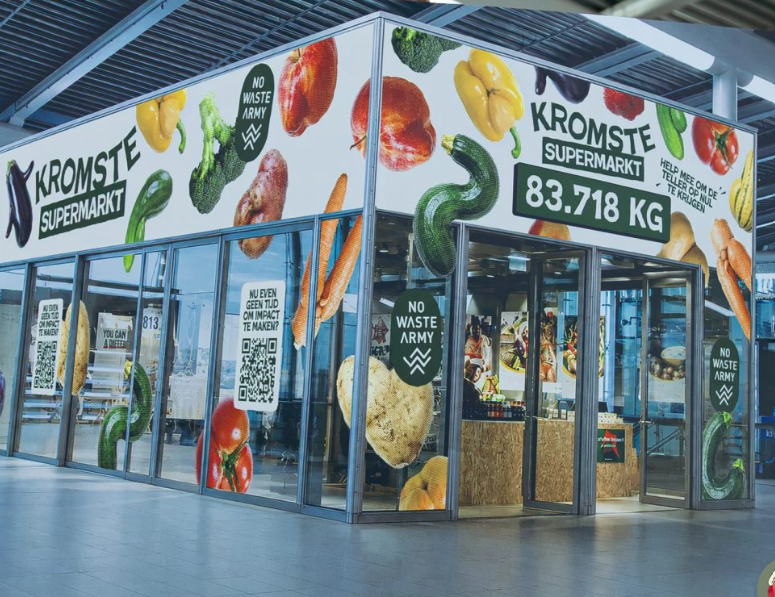
Utrecht is opening a supermarket for “ugly food”
In Utrecht, the Netherlands, from 7 to 13 September, the No Waste Army organisation is…

France becomes first EU country to ban social media access for under-15s
France’s parliament has approved a bill banning social media access for children under 15, making…

Social media marketing influences our food choices
As the UK, Canada, or Austria move towards restricting social media use for minors, studies…
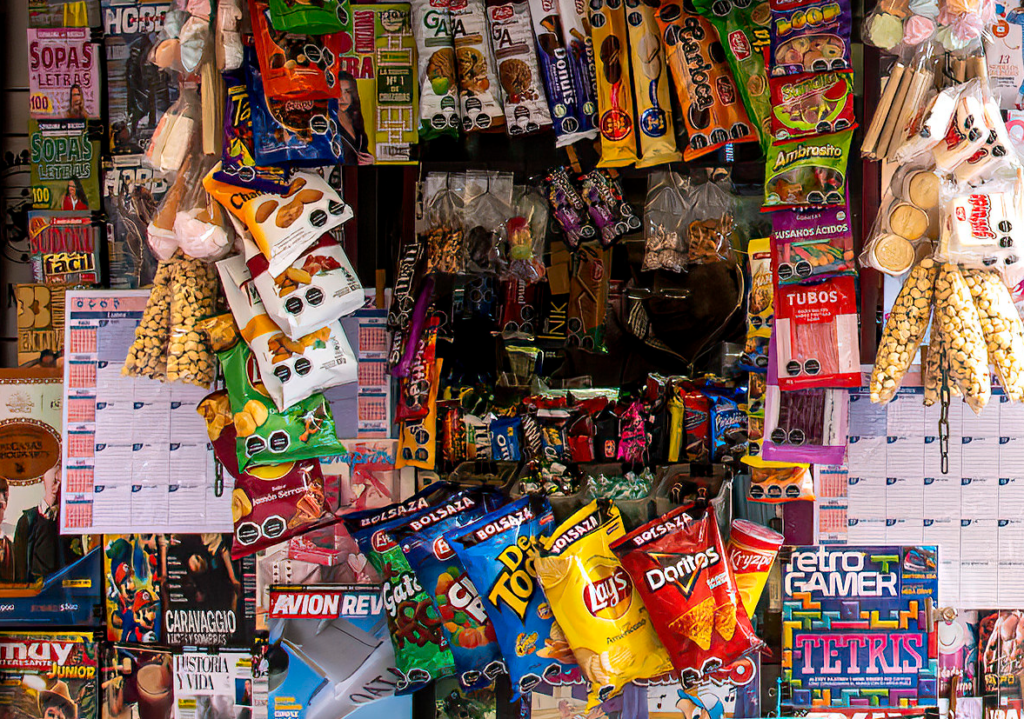
The Lancet confirms Chile’s pioneering food policy is helping reduce childhood obesity
A new study published in The Lancet provides the first national-level evidence that Chile’s comprehensive…

Nestlé to remove all artificial food colourings from its products this year
French headquarters building of Nestlé Nestlé plans to remove artificial food colourings from all food…