
The Lancet study confirms effectiveness of Chilean model in fighting child obesity
17 June 2026
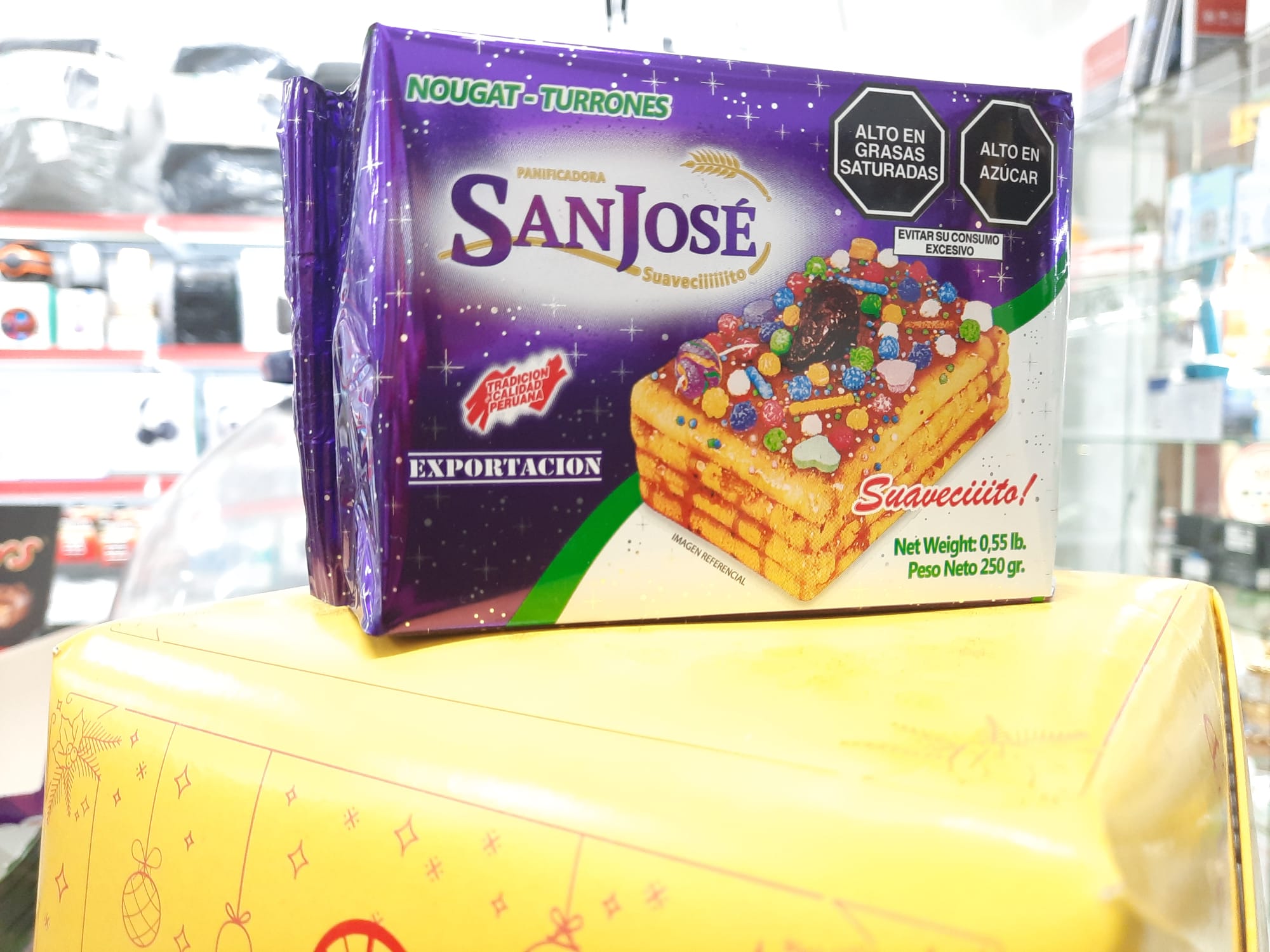
A study about the effects of the 2016 Chilean Food Labelling and Advertising Law (FLAL) has confirmed a modest but consistent positive impact of this law in fighting child obesity. The law, a precursor of similar legislations globally, introduced front-of-package warnings for foods high in fat, sugar, salt, and calories, as well as complementary measures restricting marketing of unhealthy foods to children, taxation schemes encouraging reformulation, and public education campaigns.
So far, only the impact of isolated policy measures had been studied.
The study, led by Guillermo Paraje, from the university of Santiago, and published by the Lancet, analysed a dataset of 321 597 Chilean children between the ages of 4 and 6, from kindergarten to first grade. The study covered the period from 2012 to 2017, the first phase of implementation of the Food Labelling and Advertising Law.
After 18 months of exposure to the new legal framework, girls had a 2.85% lower probability of excess weight and boys had a 2.40% lower probability. Smaller though significant effects were observed after 6 months of exposure, too.
Although the magnitude of the observed effects is modest, the outcomes are encouraging at the population level given that even small shifts in weight trajectories during early childhood can influence obesity risk later in life.
The analysis is restricted to short-term outcomes in early childhood. Longer-term impacts remain unknown.
.
JRC study delivers nutritional quality of food in Europe’s supermarkets
A new study by the Joint Research Centre (JRC) provides the first large-scale overview of…
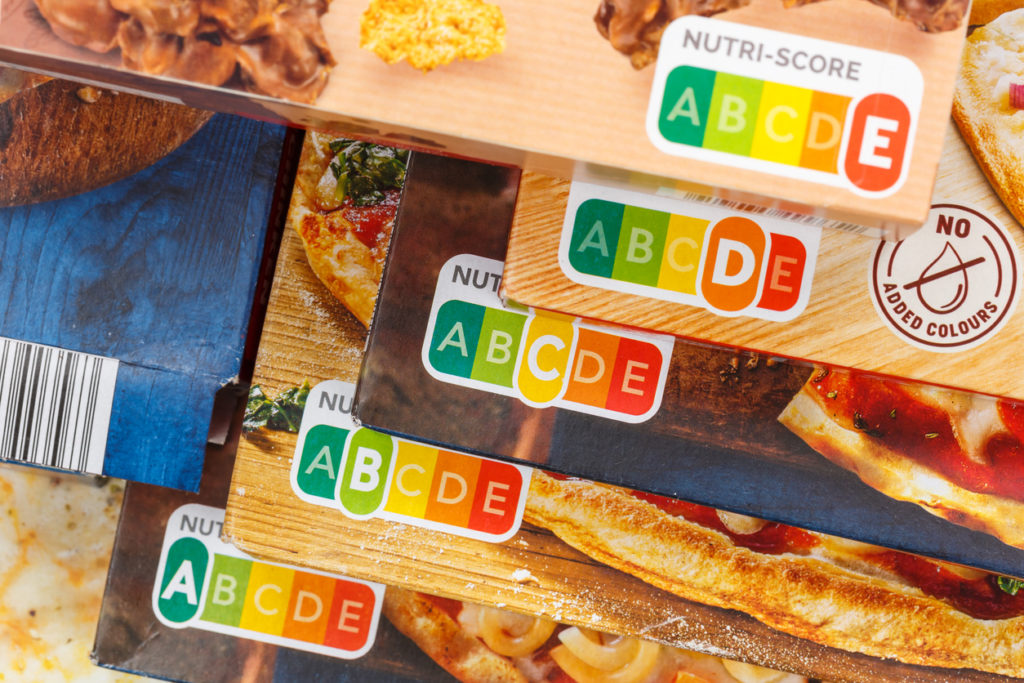
Poland withdraws Nutriscore, deeming it misleading
Nutri Score nutrition label symbol healthy eating for food Nutri-Score Poland’s decided to withdraw the…
Barcelona plans network of affordable shops
Barcelona is preparing a network of shops designed to make fresh food more affordable for…

UPFs: The Commission has all the elements to implement mitigation measures
The worker in the factory places the chicken schnitzel The health risks associated with the…
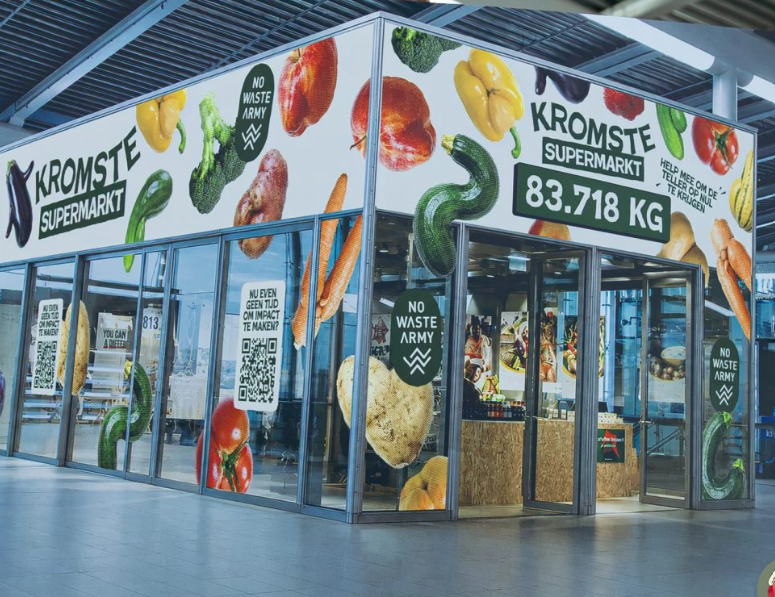
Utrecht is opening a supermarket for “ugly food”
In Utrecht, the Netherlands, from 7 to 13 September, the No Waste Army organisation is…

France becomes first EU country to ban social media access for under-15s
France’s parliament has approved a bill banning social media access for children under 15, making…