
Social media marketing influences our food choices
10 July 2026
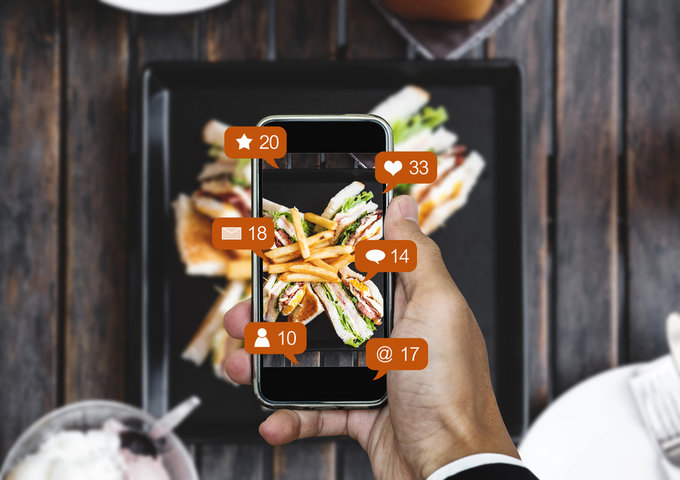
As the UK, Canada, or Austria move towards restricting social media use for minors, studies show the pervasiveness of social media marketing targeting children, and how it can influence our food choices. A Digital influence study from Cancer Research UK found that more than half of the 4,000 young people aged 11 to 21 who took part in a survey had seen posts from business and influencers promoting products high in fat, sugar and salt (HFSS) on social media within a month. This shows that young people are increasingly exposed to unhealthy product marketing online. This is a real concern, based on the scientific evidence that HFFS foods are associated with adverse health effects such as obesity and overweight. In the UK, overweight is the second biggest cause of cancer in the UK after smoking, and rates of obesity are rising among young people.
The study also found that such content can have a direct impact on young people’s behaviour. Many reported that these posts were tempting, leaving them feeling hungry, craving specific foods, or both. This is supported by research showing that simply viewing images of HFSS foods can trigger cravings that may be difficult to resist.
Social media marketing is a powerful tool because influencers make products and brands much more relatable and trustworthy. Influencers’ posts do not have the corporate advertising look of posts from businesses, so it can be harder for young people to recognise when they are being targeted by marketing. A recent analysis of multiple studies also suggests that they can struggle to understand the intention behind adverts, which increases their vulnerability to this kind of content.
In response to these concerns, a new legislation entered into force in the UK in January 2026, banning paid-for online advertising of specific HFSS products, including on social media, and introducing a 9pm TV watershed for junk food ads.
SAFE welcomed these measures and calls for the European Union to introduce a comprehensive legislation to protect children from exposure to the marketing of HFSS and ultra-processed foods (UPFs) across all media channels, including broadcast, digital, print, packaging, and event sponsorships.
Find out more about our recommendations in our report, Why Voluntary Measures Are Not Enough: Regulating HFSS Marketing to Children, produced in partnership with the Healthy Food Healthy Planet foundation.
JRC study delivers nutritional quality of food in Europe’s supermarkets
A new study by the Joint Research Centre (JRC) provides the first large-scale overview of…
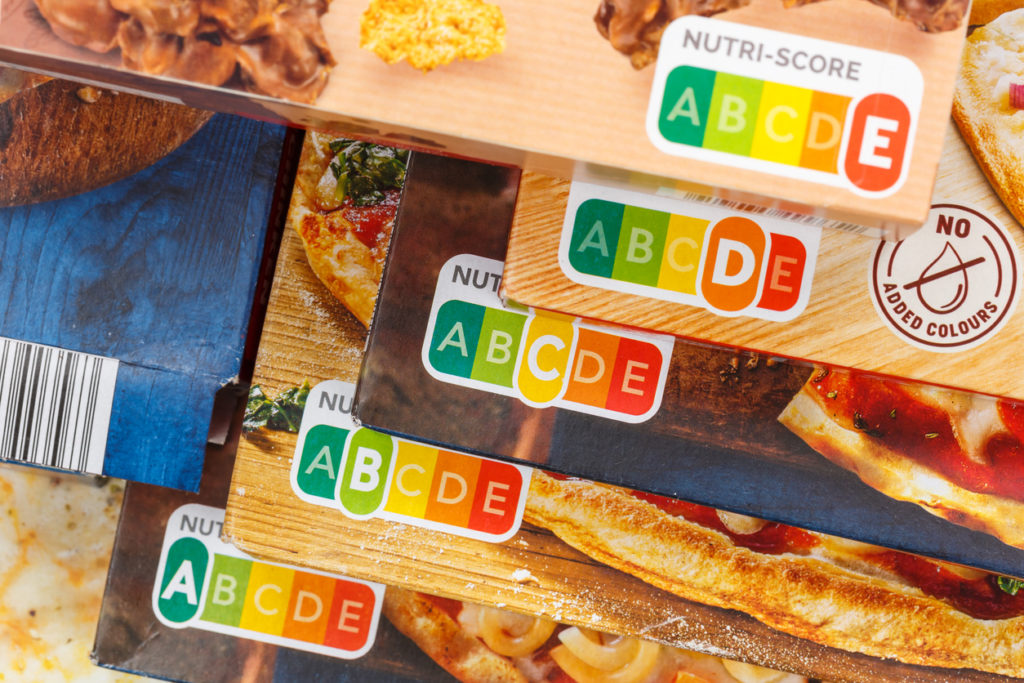
Poland withdraws Nutriscore, deeming it misleading
Nutri Score nutrition label symbol healthy eating for food Nutri-Score Poland’s decided to withdraw the…
Barcelona plans network of affordable shops
Barcelona is preparing a network of shops designed to make fresh food more affordable for…

UPFs: The Commission has all the elements to implement mitigation measures
The worker in the factory places the chicken schnitzel The health risks associated with the…
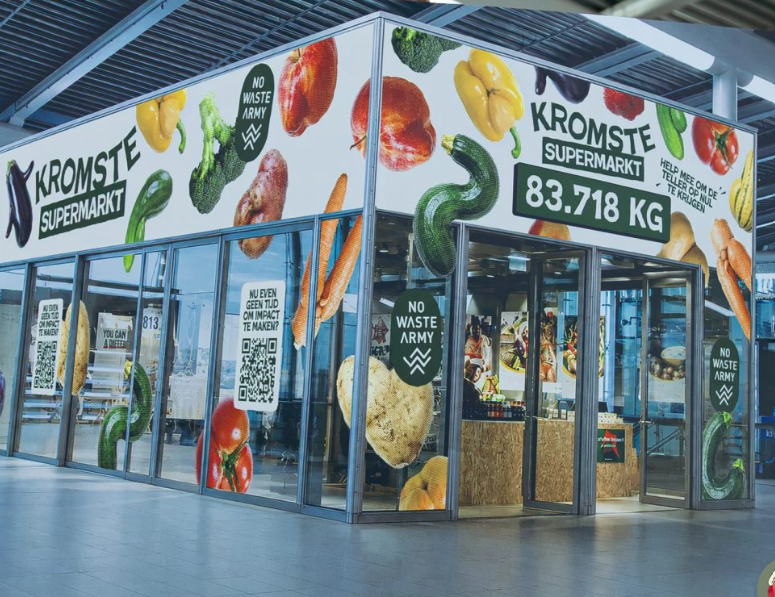
Utrecht is opening a supermarket for “ugly food”
In Utrecht, the Netherlands, from 7 to 13 September, the No Waste Army organisation is…

France becomes first EU country to ban social media access for under-15s
France’s parliament has approved a bill banning social media access for children under 15, making…