
The Lancet confirms Chile’s pioneering food policy is helping reduce childhood obesity
08 July 2026
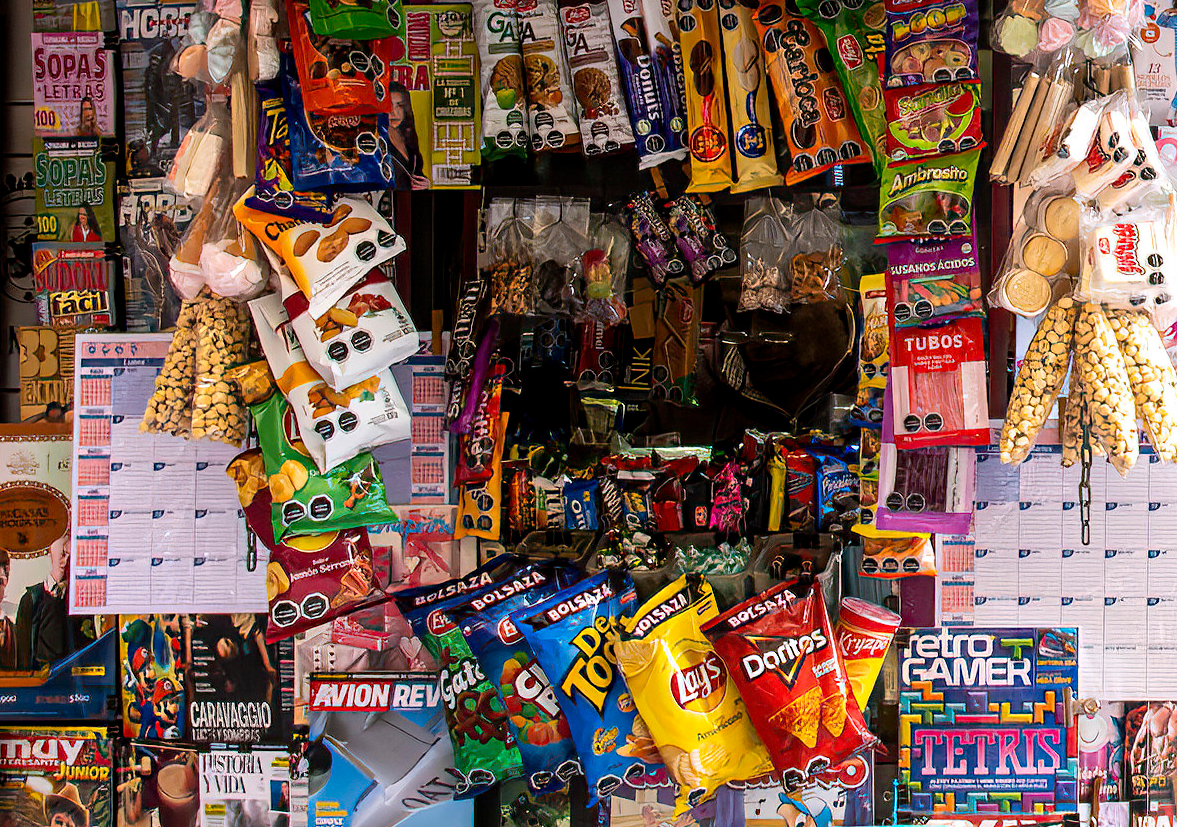
A new study published in The Lancet provides the first national-level evidence that Chile’s comprehensive food policy is making a measurable difference in reducing childhood obesity. The research found that children exposed to Chile’s Food Labelling and Advertising Law (FLAL) were less likely to be overweight or obese than those who were not, demonstrating the impact of coordinated public health measures.
Implemented in 2016, Chile’s groundbreaking legislation introduced a package of complementary measures designed to create healthier food environments. These include mandatory front-of-pack black warning labels on foods and beverages high in sugar, salt, saturated fat or calories, restrictions on the marketing of unhealthy foods to children, and a ban on selling these products in schools.
SAFE strongly supports the design of this public health policy, with coordinated measures.
The law was introduced in phases, with the nutrient thresholds triggering restrictive policy measures becoming progressively stricter in 2018 and 2019, encouraging manufacturers to reformulate products.
The study analysed data from more than 321,000 Chilean children and is the first to demonstrate the impact of this combined package of policies on children’s body weight at a national level. While the reductions may appear modest, researchers emphasise that even small shifts in weight during early childhood can have important long-term health benefits and reduce the risk of obesity later in life.
Chile’s experience has become an international benchmark, showing that coordinated public health policies can reshape food environments and support healthier choices for children. As countries across Europe continue debating stronger nutrition policies, this new evidence reinforces the value of combining clear food labelling with restrictions on the marketing and availability of unhealthy products to protect children’s health.

JRC study delivers nutritional quality of food in Europe’s supermarkets
A new study by the Joint Research Centre (JRC) provides the first large-scale overview of…
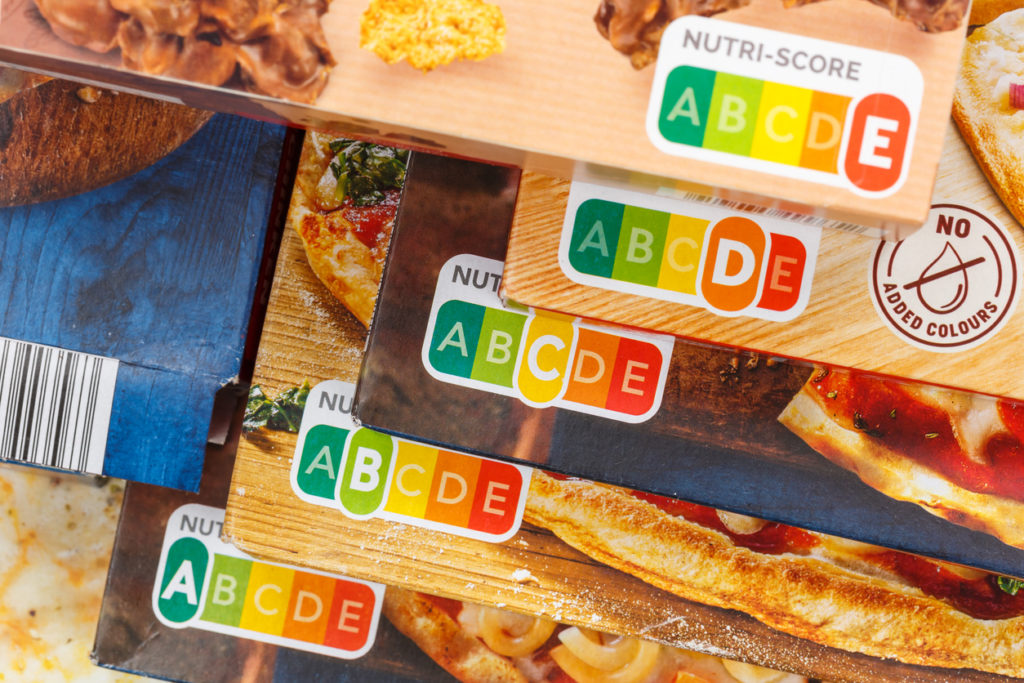
Poland withdraws Nutriscore, deeming it misleading
Nutri Score nutrition label symbol healthy eating for food Nutri-Score Poland’s decided to withdraw the…
Barcelona plans network of affordable shops
Barcelona is preparing a network of shops designed to make fresh food more affordable for…
SAFE warns about labelling uncertainty around allergens in proteins from precision fermentation
Dairy products in the supermarket SAFE has sent a letter to the European Commission’s DG…

SAFE supports Slovakian lawsuit against NGT regulation
Plants in laboratory. SAFE supports the lawsuit by the Slovakian government, announced this morning, against…

UPFs: The Commission has all the elements to implement mitigation measures
The worker in the factory places the chicken schnitzel The health risks associated with the…