
Public Mobilisation Across Europe Demands Ban on Controversial Sweetener Aspartame
04 June 2025

In February, a wave of public mobilisation started across Europe as Foodwatch, in collaboration with Yuka and the French League Against Cancer, launched a campaign to ban the controversial artificial sweetener E-951, known as aspartame. Over 240,000 citizens joined the call, urging France and the European Commission to take decisive action against the additive.
Aspartame is used in more than 2,500 food and drink products across Europe—including popular “zero” sodas like Coca-Cola Zero, Pepsi Max, and Sprite Zero, as well as yoghurts and chewing gums. In 2023, the World Health Organization classified it as a possible carcinogen, adding to over three decades of scientific studies linking it to increased risks of type 2 diabetes, cardiovascular disease, and long-term weight gain.
The campaign’s launch achieved extensive media coverage, reaching over a thousand press mentions across Europe and tens of millions of people with information about the potential dangers of aspartame. The success of this campaign prompted a loud reaction by the industry. The International Sweeteners Association attacked new scientific publications that questioned the safety of aspartame or ultra-processed foods. This reaction highlights the need to increase public pressure over the food industry, to protect consumers from harmful additives in food.
Foodwatch stresses that the fight goes beyond aspartame. Still over 330 dangerous food additives are authorised in the EU.
In 2021, SAFE together with Foodwatch and other organisations managed to have titanium dioxide (E171) additive banned. SAFE also contributed to a major reduction in the use of nitrite additives.
Join the petition here : Non à l’aspartame dans nos aliments et boissons ! | FW FR
JRC study delivers nutritional quality of food in Europe’s supermarkets
A new study by the Joint Research Centre (JRC) provides the first large-scale overview of…
Poland withdraws Nutriscore, deeming it misleading
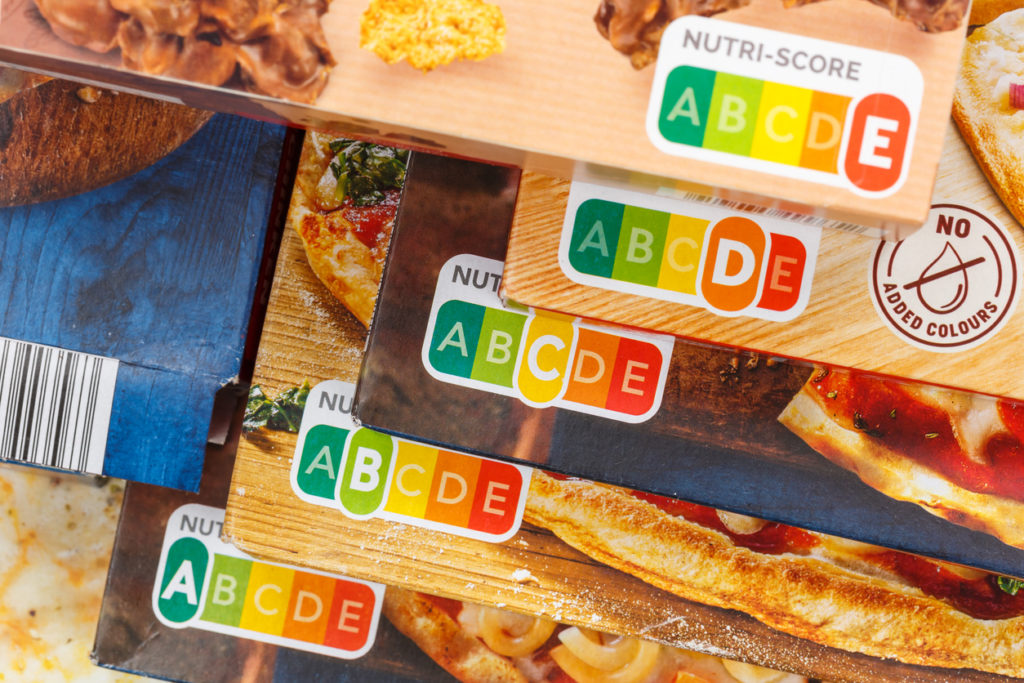
Nutri Score nutrition label symbol healthy eating for food Nutri-Score Poland’s decided to withdraw the…
Barcelona plans network of affordable shops
Barcelona is preparing a network of shops designed to make fresh food more affordable for…
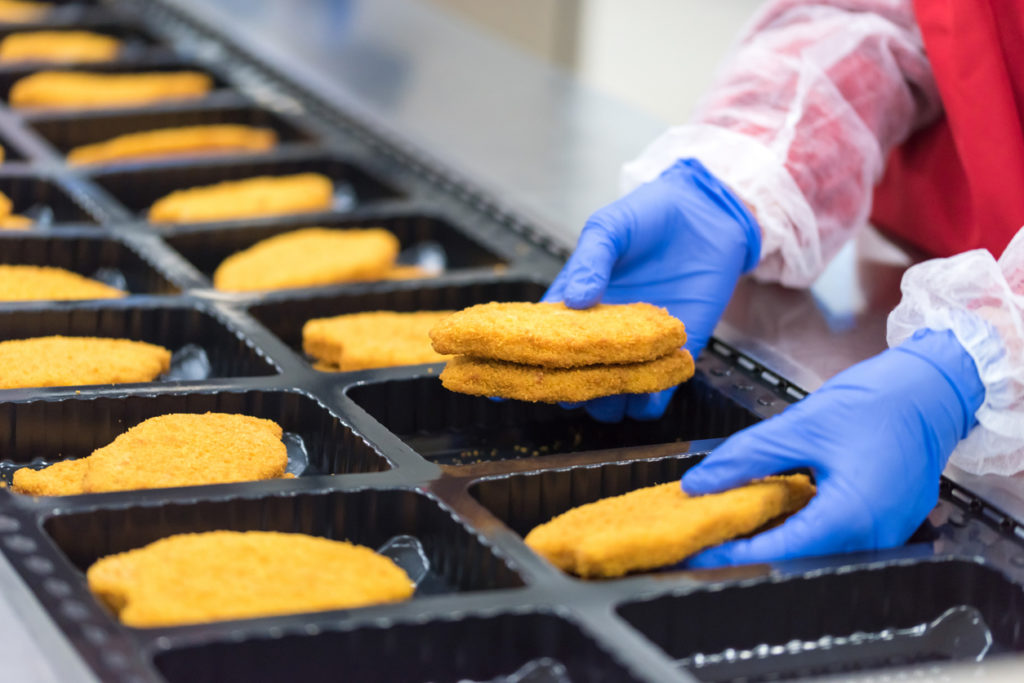
UPFs: The Commission has all the elements to implement mitigation measures
The worker in the factory places the chicken schnitzel The health risks associated with the…
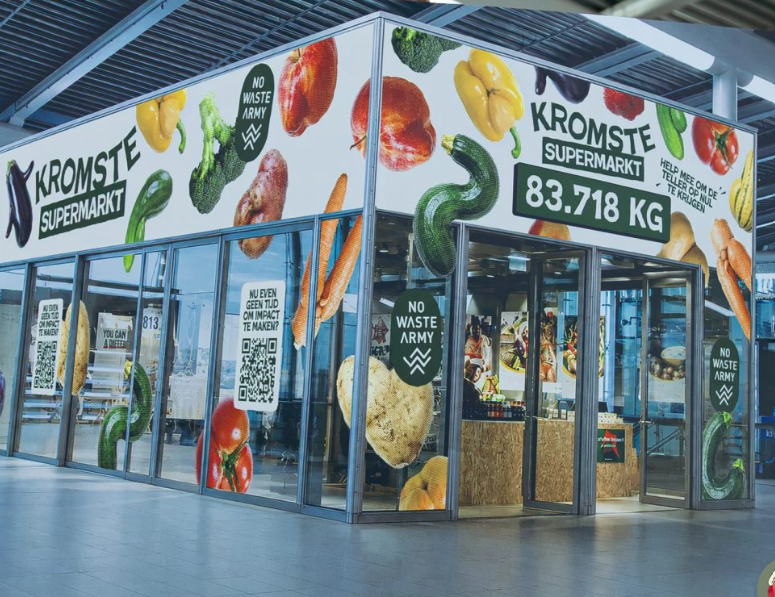
Utrecht is opening a supermarket for “ugly food”
In Utrecht, the Netherlands, from 7 to 13 September, the No Waste Army organisation is…

France becomes first EU country to ban social media access for under-15s
France’s parliament has approved a bill banning social media access for children under 15, making…