
Greenpeace reveals mega-farm bias in EU agricultural policy
04 October 2024

A Greenpeace briefing, named “Go Big or Go Burst” reveals that, because of the way subsidies are designed, current EU farming policies force farmers to industrialise and produce more, pushing small-scale farmers out of business and reducing rural job opportunities. Researchers found that the number of mega-farms in the EU increased by 56% between 2007 and 2022, while the number of small-scale commercial farms decreased by 44% over the same period.
Read the report here
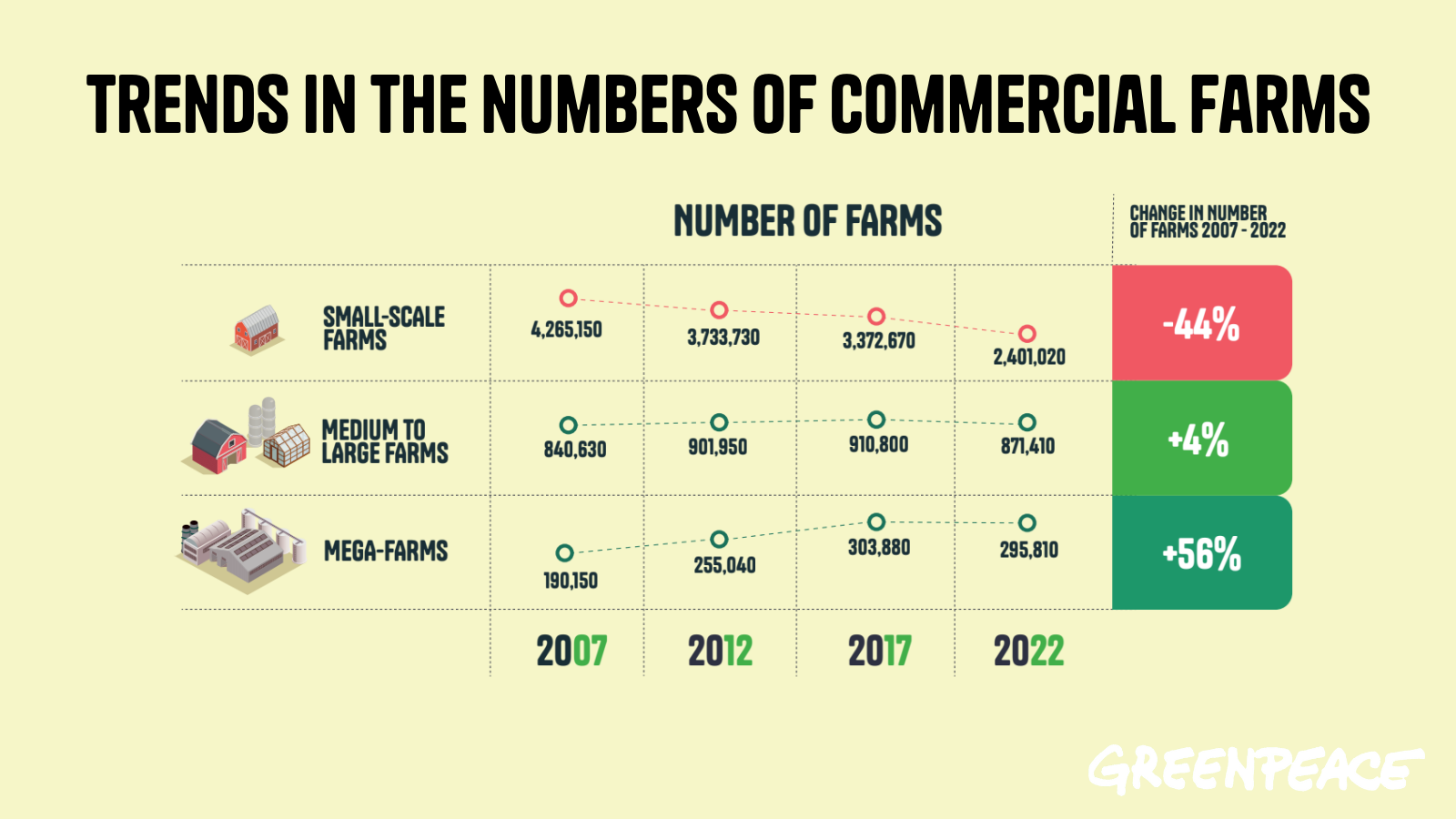
This system also leads to more pollution, poorer animal welfare, and greater health risks. SAFE calls for fairer policies that support all farmers, including direct income support for farmers. We encourage the new European Commission to explore this option, especially in support of small farmers in disadvantaged rural areas.
Average farm income remains low and volatile. Agricultural policy should better target income support to those who need it most. Targeted and result-oriented environmental payments would also have a positive environmental and social impact and contribute to sustainable food systems.
Along with SAFE’s advocacy activities in the last years, we have trained 140 farmers on more sustainable forms of agriculture.

JRC study delivers nutritional quality of food in Europe’s supermarkets
A new study by the Joint Research Centre (JRC) provides the first large-scale overview of…
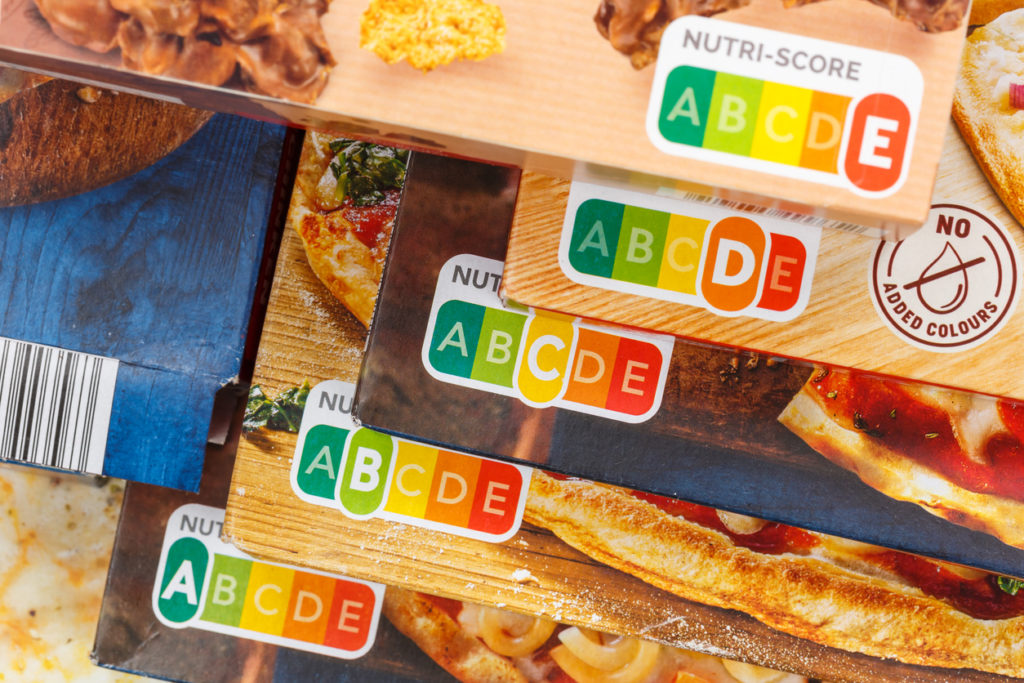
Poland withdraws Nutriscore, deeming it misleading
Nutri Score nutrition label symbol healthy eating for food Nutri-Score Poland’s decided to withdraw the…
Barcelona plans network of affordable shops
Barcelona is preparing a network of shops designed to make fresh food more affordable for…
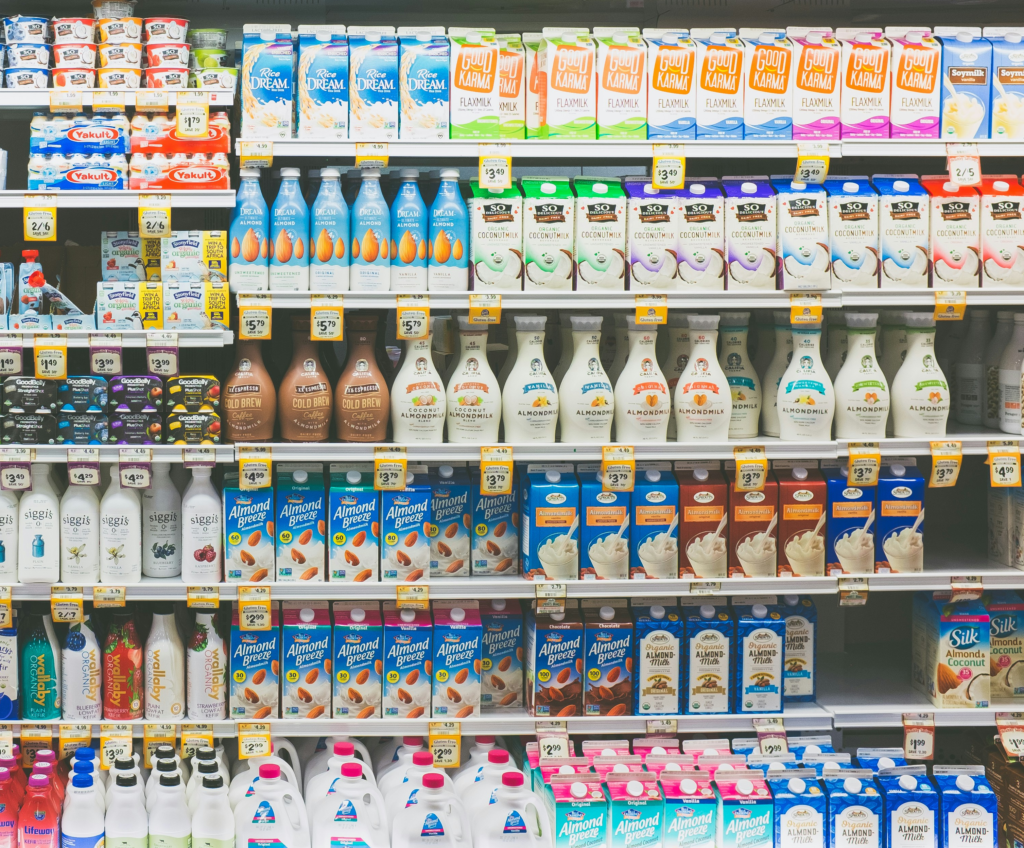
SAFE warns about labelling uncertainty around allergens in proteins from precision fermentation
Dairy products in the supermarket SAFE has sent a letter to the European Commission’s DG…

SAFE supports Slovakian lawsuit against NGT regulation
Plants in laboratory. SAFE supports the lawsuit by the Slovakian government, announced this morning, against…

UPFs: The Commission has all the elements to implement mitigation measures
The worker in the factory places the chicken schnitzel The health risks associated with the…