
Commission publishes Country Cancer Profiles ahead of World Cancer Day
03 February 2025

Today, ahead of World Cancer Day, the European Commission and the Organisation for Economic Co-operation and Development (OECD) released the Country Cancer Profiles for all EU member states, Norway, and Iceland under the European Cancer Inequalities Registry. These profiles are designed to identify disparities in cancer prevention and care, highlighting key achievements, challenges, and differences within and between each country.
The report offers hope, showing an increase in cancer survival rates across the EU. However, while cancer mortality has decreased by 12%, the prevalence of cancer—meaning the number of people having the disease—has increased by 24%.
Significant inequalities in cancer mortality persist. Rates are highest in low-income countries, among individuals with lower education levels, and among men. These disparities are linked to differences in access to and standards of care.
Alcohol consumption and smoking are risk factors for cancer. The report indicates that while they have decreased, other concerning risk factors such as overweight and obesity continue to rise.
Another important trend highlighted is the decline in screening for breast and cervical cancer, which undermines efforts for early detection.
These issues are being addressed as part of Europe’s Beating Cancer Plan. The plan focuses on improving cancer prevention, early detection, diagnosis, treatment and quality of life of cancer patients and survivors in the EU.
In summary, this report reveals that although cancer survival rates have improved and people are living better lives with the disease, better prevention is needed as the number of people having cancer continues to rise. Risk factors are increasingly related to our diets, early detection needs to be improved, and existing inequalities must be addressed.
Cancer is one of the non-communicable diseases (NCDs) that account for three-quarters of all deaths worldwide. SAFE’s project Preventia aims to prevent NCDs through a holistic approach by reducing risk factors such as unhealthy diets.

UPFs: The Commission has all the elements to implement mitigation measures
The worker in the factory places the chicken schnitzel The health risks associated with the…
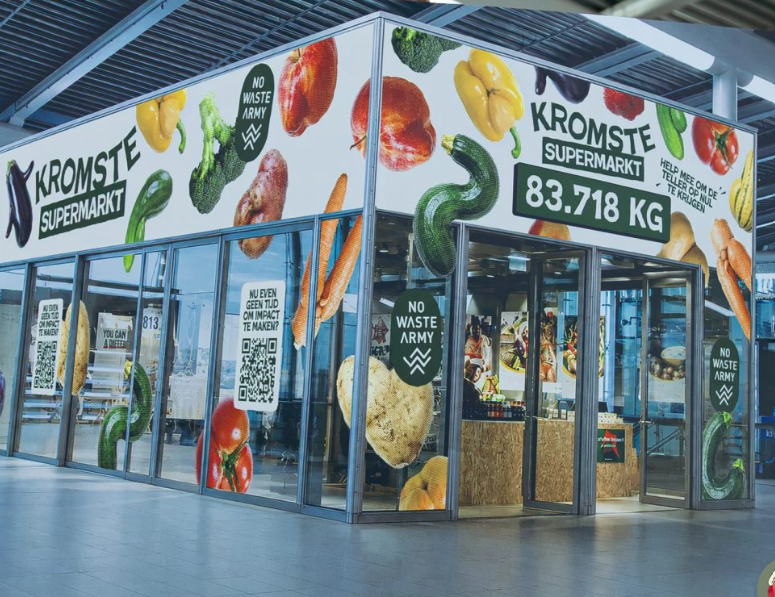
Utrecht is opening a supermarket for “ugly food”
In Utrecht, the Netherlands, from 7 to 13 September, the No Waste Army organisation is…

France becomes first EU country to ban social media access for under-15s
France’s parliament has approved a bill banning social media access for children under 15, making…

Social media marketing influences our food choices
As the UK, Canada, or Austria move towards restricting social media use for minors, studies…
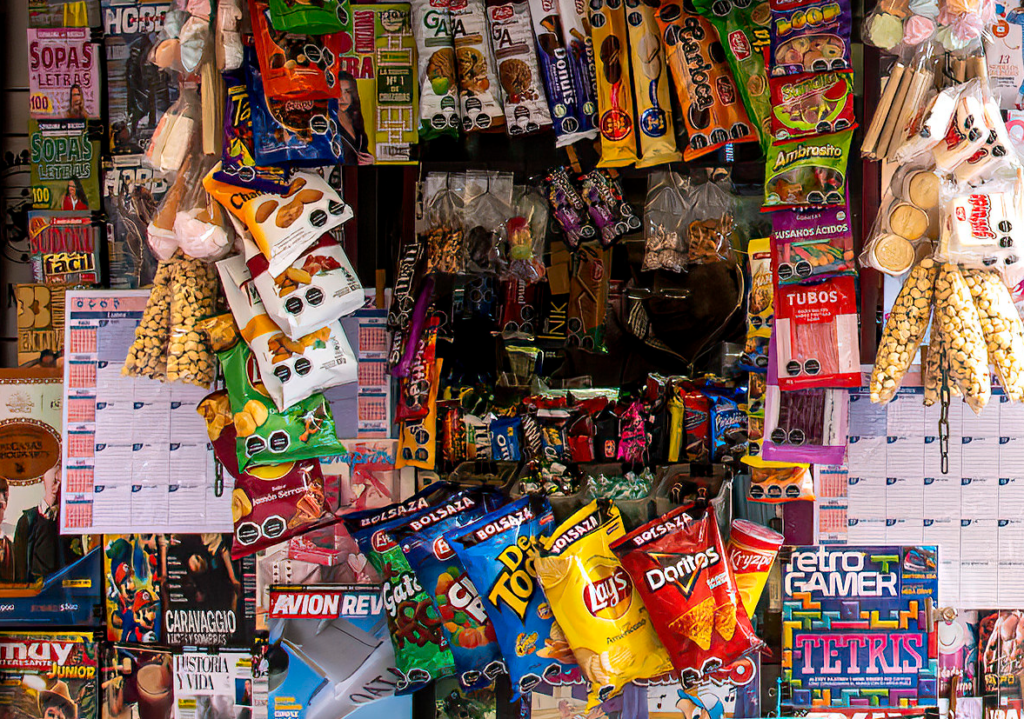
The Lancet confirms Chile’s pioneering food policy is helping reduce childhood obesity
A new study published in The Lancet provides the first national-level evidence that Chile’s comprehensive…

Nestlé to remove all artificial food colourings from its products this year
French headquarters building of Nestlé Nestlé plans to remove artificial food colourings from all food…