

Canada Introduces Mandatory Front-of-Package Nutrition Warning Symbols
20 January 2026

As of January 1, 2026, the Canadian government now requires food companies to display nutrition warning symbols on the front of packaged food products that are high in saturated fat, sugars, or sodium (HFSS).
This new regulation, developed by Health Canada, aims to help consumers make informed choices and reduce the health risks linked with regular consumption of HFSS foods, including heart disease, stroke, obesity, type 2 diabetes, and high blood pressure.
Officials say the measure aligns Canada with other countries that have adopted similar front-of-package labeling systems and is part of a broader strategy to improve nutrition transparency and public awareness.
To support this initiative, SAFE’s Preventia project has launched BiteWatch, a user-friendly food scanner app that quickly shows if a product is high in salt, sugar, or fat.
👉 Download BiteWatch here: Download BiteWatch, our new food literacy app | SAFE – Safe Food Advocacy Europe

JRC study delivers nutritional quality of food in Europe’s supermarkets
A new study by the Joint Research Centre (JRC) provides the first large-scale overview of…
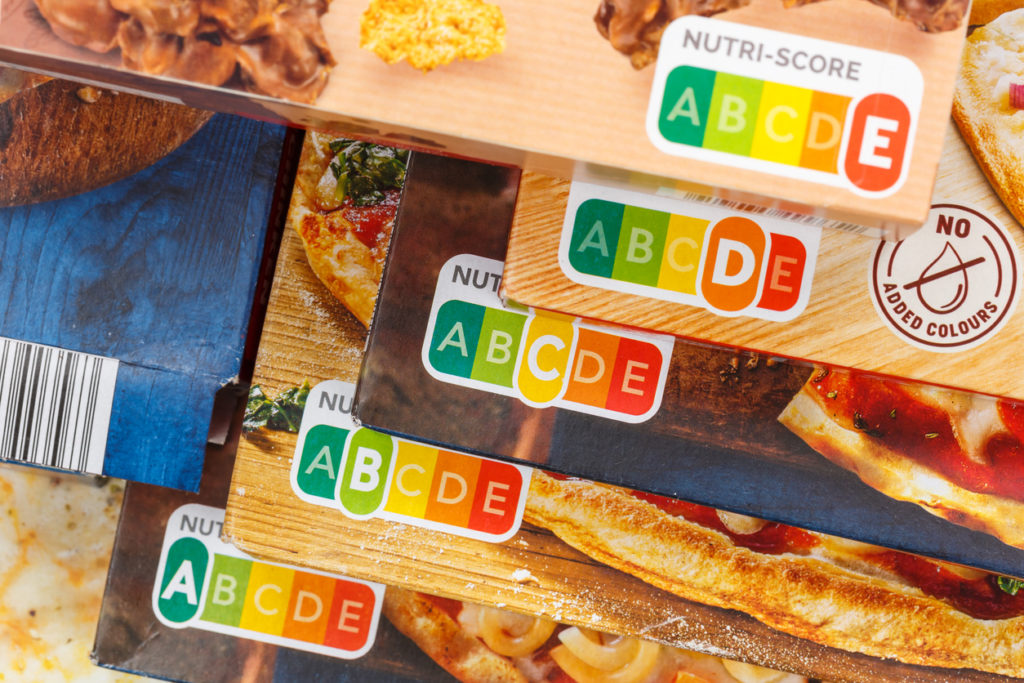
Poland withdraws Nutriscore, deeming it misleading
Nutri Score nutrition label symbol healthy eating for food Nutri-Score Poland’s decided to withdraw the…
Barcelona plans network of affordable shops
Barcelona is preparing a network of shops designed to make fresh food more affordable for…

UPFs: The Commission has all the elements to implement mitigation measures
The worker in the factory places the chicken schnitzel The health risks associated with the…

Utrecht is opening a supermarket for “ugly food”
In Utrecht, the Netherlands, from 7 to 13 September, the No Waste Army organisation is…

France becomes first EU country to ban social media access for under-15s
France’s parliament has approved a bill banning social media access for children under 15, making…