
The European Commission adopts a ban of Bisphenol A in food contact materials
19 December 2024

On December 19th, the European Commission adopted a ban on the use of Bisphenol A (BPA) in food contact materials due to its potentially harmful health effects. BPA is a hazardous chemical used in the production of certain plastics and resins, which are often used as protective linings in food and beverage packaging. Because of its presence in containers and other food contact materials, BPA frequently migrates into foods and drinks, and enters the human body.
This ban prohibits the use of BPA in products that come into contact with food or drink, such as coatings on metal cans, reusable plastic drink bottles, water coolers, and other kitchenware. The decision is based on the latest scientific assessment from the European Food Safety Authority (EFSA), which concluded that BPA could have harmful effects on the immune system. The ban also follows a public consultation and extensive discussions with all Member States.
BPA is already banned in the EU for infant bottles and similar products. For most other products, there will be an 18-month phase-out period, with very limited exceptions where no alternatives exist, to allow the industry time to adapt and avoid disruption in the food chain. The ban also extends to other bisphenols that are harmful to the reproductive and endocrine systems.
SAFE and the consortium of R3PACK’s project welcome this ban but also strongly urge policymakers to prioritise public health and environmental protection by fostering transparency in chemical management and risk analysis for environmental and food safety.
Find the press release here: Bisphenol A, R3PACK supports the ban from consumer products, calls for stricter rules
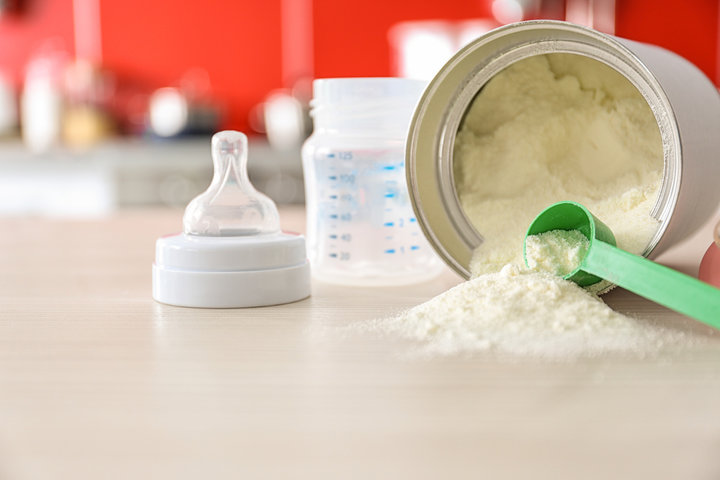
EU imposes new toxin threshold following worldwide infant formula recalls
The European Food Safety Authority (EFSA) has introduced a new maximum safe daily intake level…
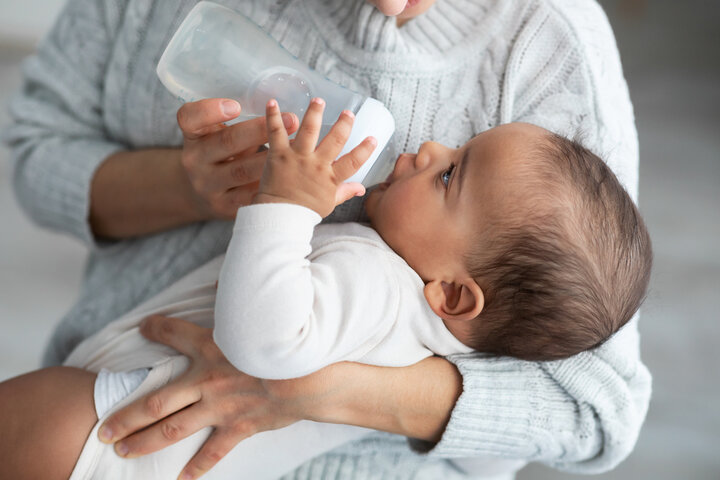
Infant formula alert exposes gaps in EU food safety oversight
The infant formula alert due to cereulide contamination underscores loopholes in the EU’s food safety…
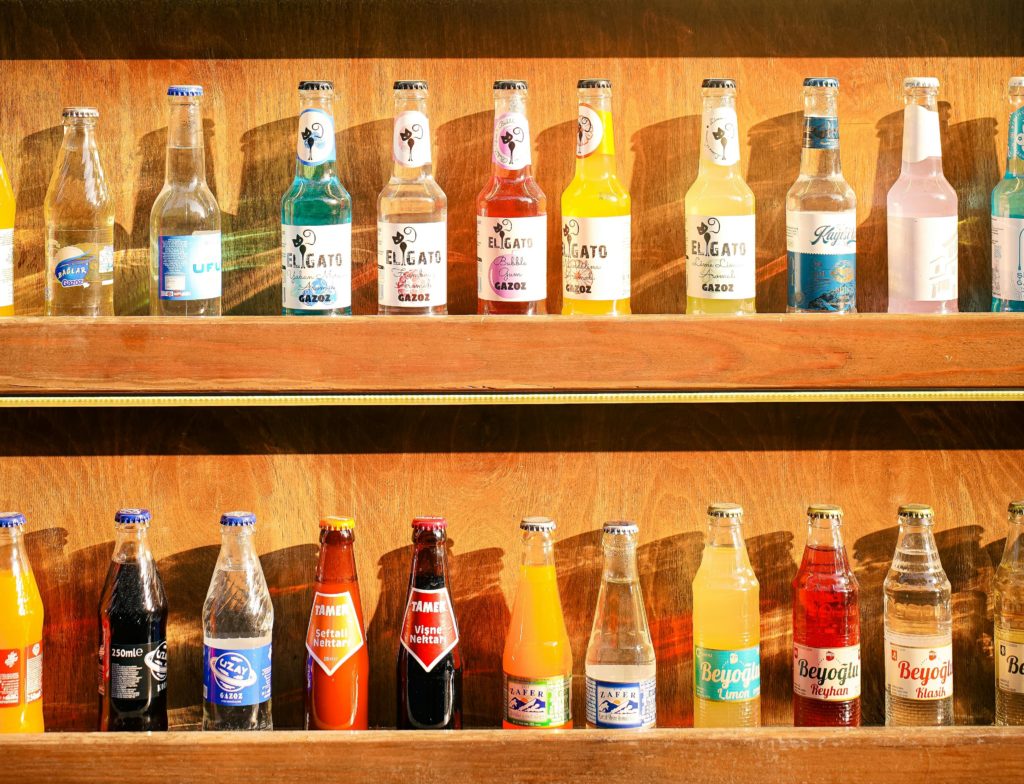
WHO encourages taxation of sugary drinks
The World Health Organization (WHO) is calling on governments to raise taxes on alcoholic beverages and sugary drinks, to…
78% of Walloon agricultural soil contaminated with insecticides, according to a new study by UCLouvain
Scientists from the Earth and Life Institute at UCLouvain have published a study in the…
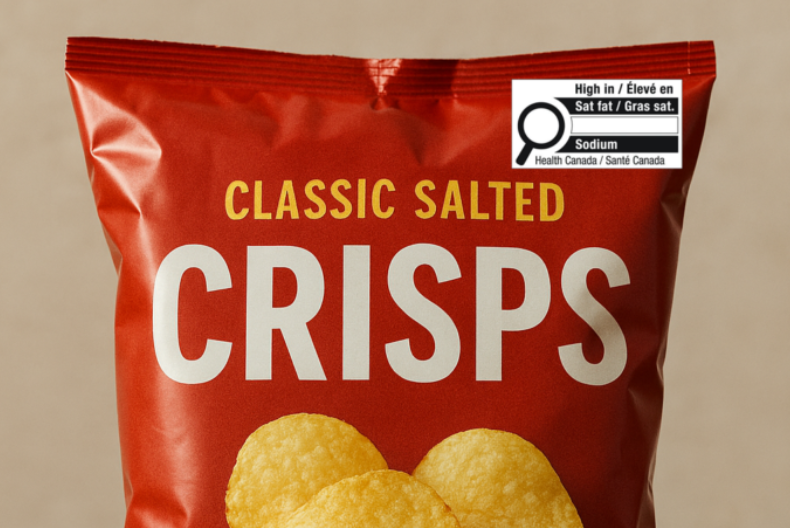
Canada Introduces Mandatory Front-of-Package Nutrition Warning Symbols
As of January 1, 2026, the Canadian government now requires food companies to display nutrition…

The Council greenlights the signature of the EU-Mercosur partnership and trade agreement
After more than 25 years of negotiations, the European Commission has finally endorsed the controversial…