

Organic alternative to chemical pesticides discovered
12 April 2024
Terpenoids, which are organic compounds naturally found in abundance in plant essential oils, have received significant interest for their role in controlling plant defence mechanisms through the modulation of defence gene expression. For example, a study by researchers at the Tokyo University of Science, as reported by FoodNavigator, discovered that rose essential oil activates defence genes in tomato plants. This action attracts natural predators of plant-eating insects, thereby safeguarding the plants without resorting to synthetic pesticides. In a practical field test, the application of rose essential oil resulted in a notable 45.5% decrease in damage from tomato pests when compared to a standard control solution.
Most farmers rely on chemical pesticides to eliminate various pests, such as insects, rodents, and weeds, which they consider crucial for ensuring robust crop production. Nevertheless, the use of these pesticides is also causing considerable harm on the environment. The European Environment Agency (EEA) has highlighted that the extensive application of pesticides is a significant pollutant, contaminating our water, soil, and air. It contributes to the decline of biodiversity and the development of pest resistance. Moreover, there are associations between human contact with chemical pesticides and long-term health conditions, including cancer, as well as heart, respiratory, and neurological disorders.
Transitioning to farming methods that are more supportive of biodiversity is critical for reversing the decline in species variety. As emphasised by Annemarie Botzki, an agriculture advocate at the consumer organization Foodwatch: “About 50% of arable land in Europe is used to grow cereals such as wheat and maize. If pesticide-free cereal production becomes the norm, these 52 million hectares could be key in reversing the decline of biodiversity and reducing health risks from farm workers, people living in rural areas and consumers.”

JRC study delivers nutritional quality of food in Europe’s supermarkets
A new study by the Joint Research Centre (JRC) provides the first large-scale overview of…
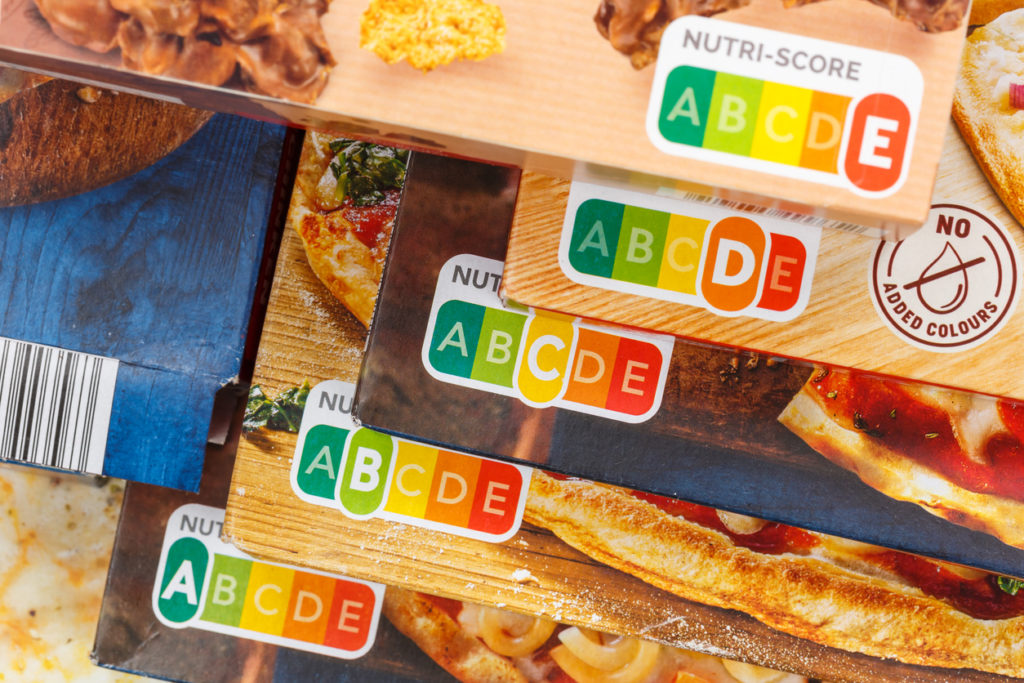
Poland withdraws Nutriscore, deeming it misleading
Nutri Score nutrition label symbol healthy eating for food Nutri-Score Poland’s decided to withdraw the…
Barcelona plans network of affordable shops
Barcelona is preparing a network of shops designed to make fresh food more affordable for…
SAFE warns about labelling uncertainty around allergens in proteins from precision fermentation
Dairy products in the supermarket SAFE has sent a letter to the European Commission’s DG…
SAFE supports Slovakian lawsuit against NGT regulation
Plants in laboratory. SAFE supports the lawsuit by the Slovakian government, announced this morning, against…

UPFs: The Commission has all the elements to implement mitigation measures
The worker in the factory places the chicken schnitzel The health risks associated with the…