Sugar
20 February 2024
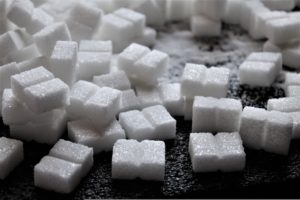
Obesity is a major health issue, affecting around half of the European population. One of the main causes is the high consumption of free sugars, which provide calories but very little nutritional value. This can lead to weight gain and increase the risk of serious health problems.
At the same time, children and teenagers are spending more time online and on social media. This exposes them to targeted advertising, often without them realising it. Digital advertising can be tailored to a person’s age, interests, and location, making it easy for companies to influence young people. In particular, many adverts promote foods that are high in fat, salt and sugar (HFSS).
The World Health Organization (WHO) has warned that more should be done to monitor and limit the online marketing of unhealthy foods to children. SAFE supports this view. Exposure to such advertising can contribute to unhealthy eating habits and increase the risk of obesity. To properly tackle childhood obesity, it is important to address all its causes. SAFE believes that advertisements for HFSS products aimed at children should be banned at both national and European levels.
SAFE also supports efforts by the European Parliament to protect young children by reducing very high sugar levels in baby foods. Research shows that early eating habits can have long-term effects on health, including a higher risk of obesity and chronic diseases later in life. For this reason, SAFE considers it unacceptable that some proposed EU rules allowed sugar levels in baby foods to be up to three times higher than WHO recommendations. SAFE calls on the European Commission to adopt rules in line with WHO guidance, to ensure that young children have access to safe, nutritious, and balanced diets.
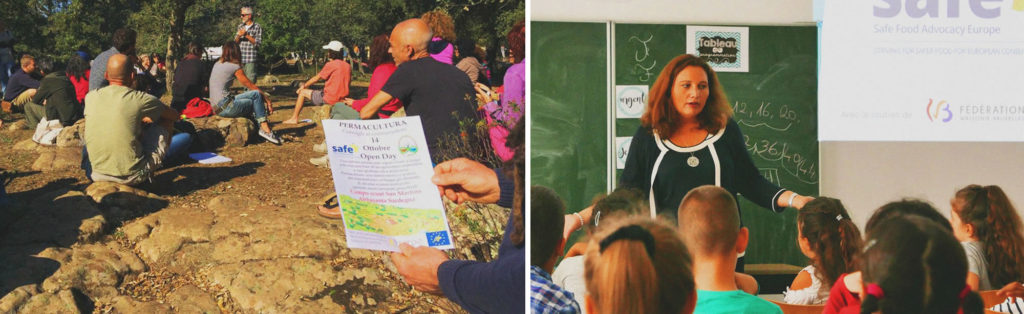
To tackle this issue, SAFE implemented the Sugar Project back in 2017, first in Belgium with the Campaign “Désucrez-vous! Du sucre oui, mais pas trop” (“Unsugar yourself! Sugar of course, but not too much”). The project was then extended to other EU Member States. Read more about SAFE’s Sugar Project here.
One of the main activities of this project is to train children and teenagers in partner countries (Italy, Croatia, France, Poland, Spain, Greece, Slovakia, and Romania) to adopt healthier diets and avoid sugar overconsumption.
The project now continues under SAFE’s project Food4Inclusion, co-financed by the European Commission. Learn more about the trainings here.
Publications:
Report in partnership with Healthy Food Healthy Planet on regulating HFSS marketing to children, 2026
Report on HFSS food marketing targeting children, 2025
SAFE’s feedback on EFSA’s Protocol for the assessment of free sugars, 2018