

WHO encourages taxation of sugary drinks
23 January 2026
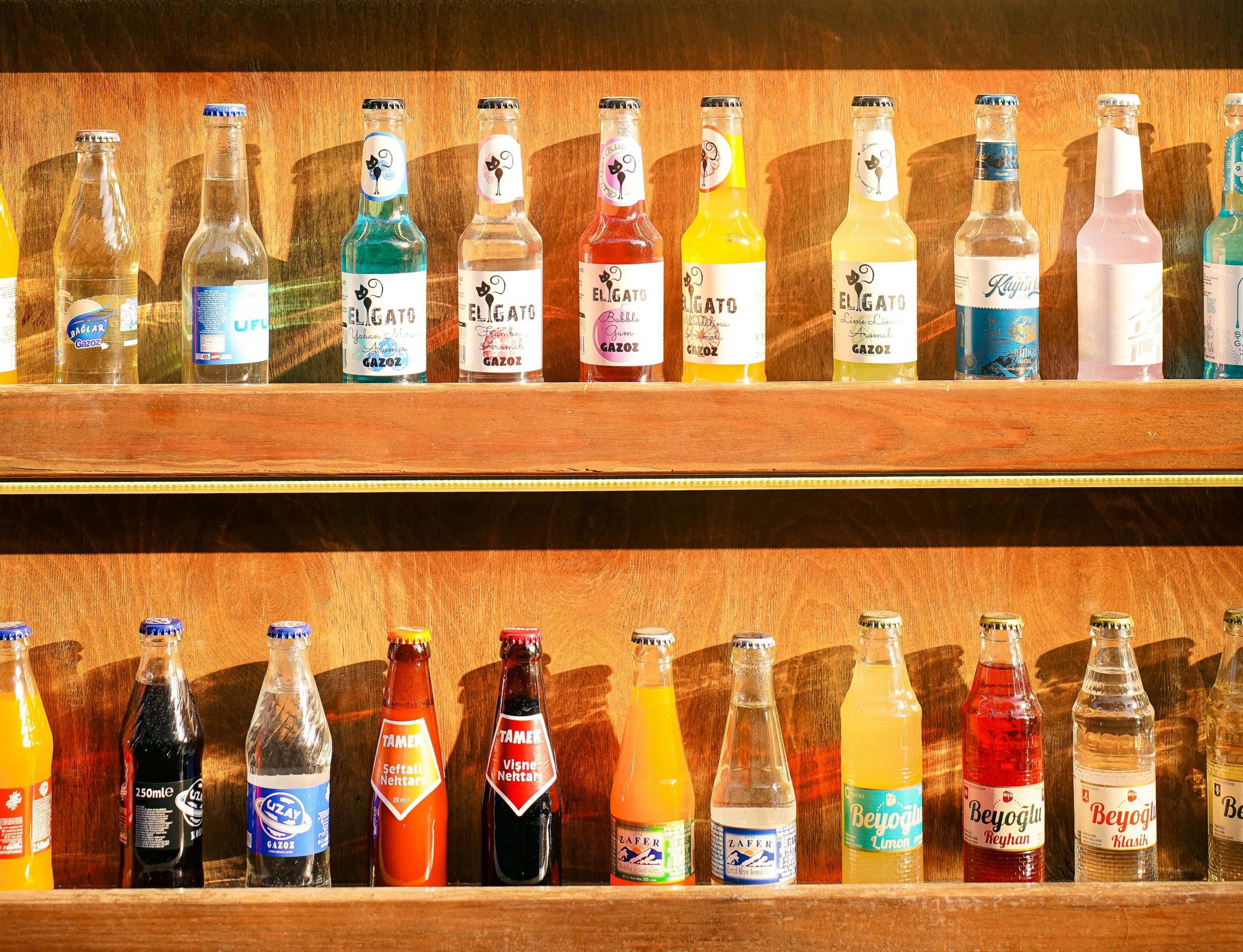
The World Health Organization (WHO) is calling on governments to raise taxes on alcoholic beverages and sugary drinks, to discourage their consumption and improve global public health.
Both types of drinks have become cheaper over the past few years, according to two reports by WHO released earlier this month. The report about sugary drinks analysed 116 countries, with 114 already applying taxes to sugar-sweetened carbonated beverages, with varying degrees of success.
SAFE supports the taxation of sugar-sweetened beverages but from a different perspective: it must encourage reformulation at industry level rather than targeting the final consumer. That is best achieved through a tiered system with higher tax rates for drinks with higher amounts of sugar. It is essential that all sugary drinks be covered, for the policy to yield good results. Less than a quarter of all countries have adopted this system, globally.
The UK was the first European country to implement it. Ireland, France, or Portugal have followed suit. SAFE believes that the taxation of sugary drinks could bring very positive public health outcomes, if implemented across the EU. This should be explored for other ultra-processed foods (UPFs), too, based on the levels of certain key ingredients.

One in five hazardous mixtures not reported to poison centres
Inspectors working with the European Chemicals Agency (ECHA) in 18 countries carried out a pilot…
EU imposes new toxin threshold following worldwide infant formula recalls
The European Food Safety Authority (EFSA) has introduced a new maximum safe daily intake level…
Infant formula alert exposes gaps in EU food safety oversight
The infant formula alert due to cereulide contamination underscores loopholes in the EU’s food safety…
WHO encourages taxation of sugary drinks
The World Health Organization (WHO) is calling on governments to raise taxes on alcoholic beverages and sugary drinks, to…
78% of Walloon agricultural soil contaminated with insecticides, according to a new study by UCLouvain
Scientists from the Earth and Life Institute at UCLouvain have published a study in the…
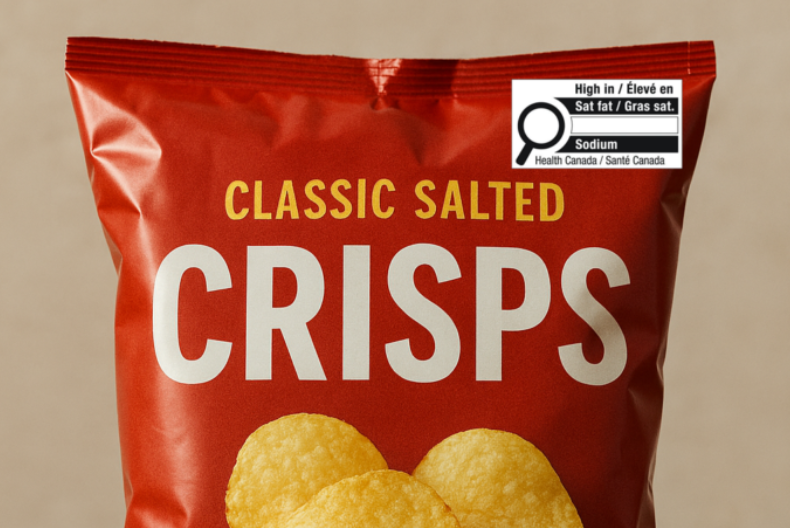
Canada Introduces Mandatory Front-of-Package Nutrition Warning Symbols
As of January 1, 2026, the Canadian government now requires food companies to display nutrition…