

UPFs proven more addictive earlier in life
30 September 2025

21% of American women and 10% of American men in their early 50s and 60s meet criteria for an addiction to ultra-processed foods (UPFs), a study by the University of Michigan has found. The study is based on data of more than 2,000 people in that age group, who were the first generation of children in the US to grow surrounded by ultra-processed foods.
This generation presents higher levels of addiction to UPFs than the previous one, when the food environment was still not populated by these industrial formulations.
To measure the levels of addiction, researchers used the Yale Food Addiction Scale 2.0, a tool used to diagnose substance use disorders. The scale asks about experiences that define addiction, such as strong cravings, repeated unsuccessful attempts to cut down, or withdrawal symptoms.
The results exceed the percentages of older adults with problematic use of other addictive substances, such as alcohol and tobacco.
According to the research team, the gender differences could be explained by the aggressive marketing of “diet” ultra-processed foods to women in the 1980s.
Those who meet criteria for an addiction to ultra-processed foods are far more likely to report being overweight, or in poor mental or physical health.
Many studies have linked UPF consumption to negative health outcomes, leading to chronic disease and premature death. These findings raise urgent questions about whether there are critical developmental windows when exposure to ultra-processed foods is especially risky for addiction vulnerability.
Children and adolescents today consume even higher proportions of calories from ultra-processed foods than today’s middle-aged adults did in their youth. If current trends continue, the article warns, future generations may show even higher rates of ultra-processed food addiction later in life.
Barcelona plans network of affordable shops
Barcelona is preparing a network of shops designed to make fresh food more affordable for…

UPFs: The Commission has all the elements to implement mitigation measures
The worker in the factory places the chicken schnitzel The health risks associated with the…
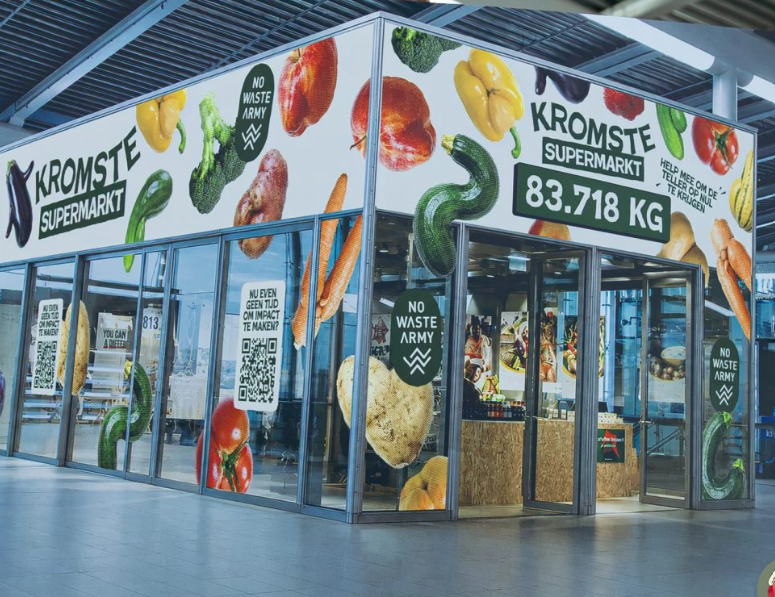
Utrecht is opening a supermarket for “ugly food”
In Utrecht, the Netherlands, from 7 to 13 September, the No Waste Army organisation is…

France becomes first EU country to ban social media access for under-15s
France’s parliament has approved a bill banning social media access for children under 15, making…

Social media marketing influences our food choices
As the UK, Canada, or Austria move towards restricting social media use for minors, studies…

The Lancet confirms Chile’s pioneering food policy is helping reduce childhood obesity
A new study published in The Lancet provides the first national-level evidence that Chile’s comprehensive…