

Ultra-processed foods linked to prediabetes in young adults
14 November 2025

A US study has linked ultra-processed food intake with higher risk of prediabetes and disrupted glucose regulation in young adults. The study, led by researchers from the University of South Carolina, was published in the journal Nutrition and Metabolism.
Researchers studied a group of 85 young adults, aged 17 to 22, over a four-year period and found that an increase in UPF intake was associated with a higher risk for early-stage high blood sugar that can lead to diabetes. Eating more UPFs was also linked to insulin resistance, where the body becomes less effective at using insulin to control blood sugar. This was true even for modest increases in ultra-processed food intake. UPFs have consistently been linked to type 2 diabetes.
First, researchers calculated the amount of calories coming from UPFs in the diets of the patients in the sample. They also tested how effectively their body responded to blood sugar with insulin. A 10% increase in UPF consumption was associated with a 64% higher risk for prediabetes and a 56% higher risk for problems with glucose regulation.
These findings highlight the need for prevention strategies specifically targeting children and young adults.
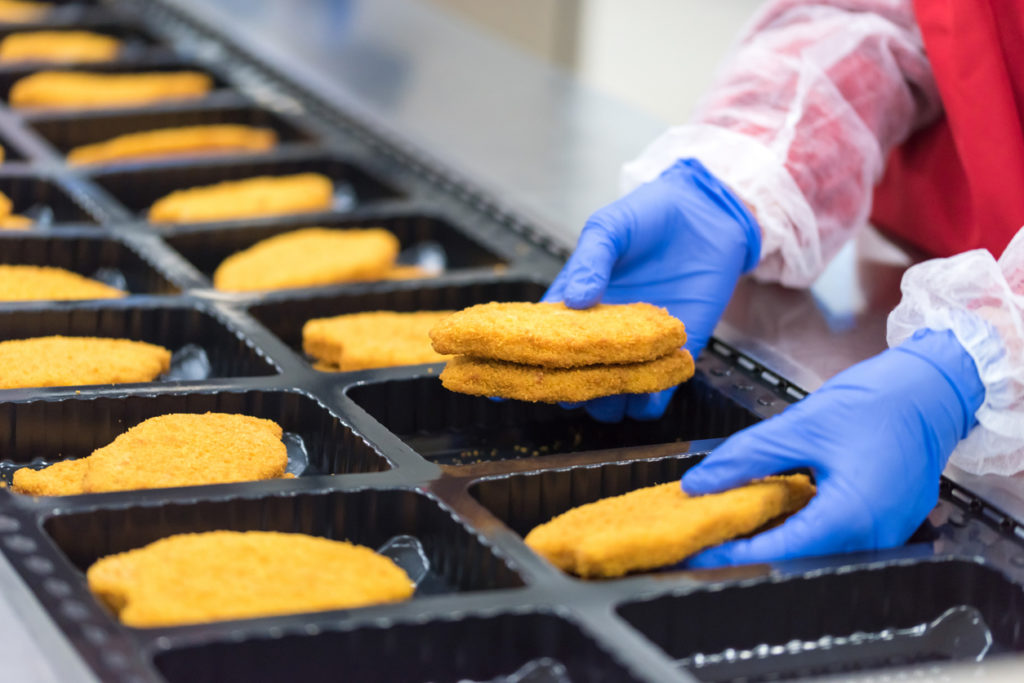
UPFs: The Commission has all the elements to implement mitigation measures
The worker in the factory places the chicken schnitzel The health risks associated with the…
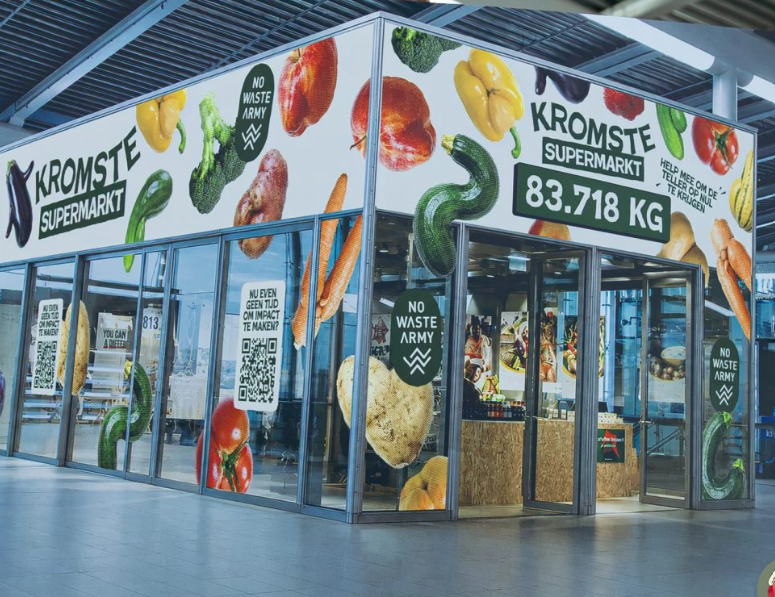
Utrecht is opening a supermarket for “ugly food”
In Utrecht, the Netherlands, from 7 to 13 September, the No Waste Army organisation is…

France becomes first EU country to ban social media access for under-15s
France’s parliament has approved a bill banning social media access for children under 15, making…

Social media marketing influences our food choices
As the UK, Canada, or Austria move towards restricting social media use for minors, studies…
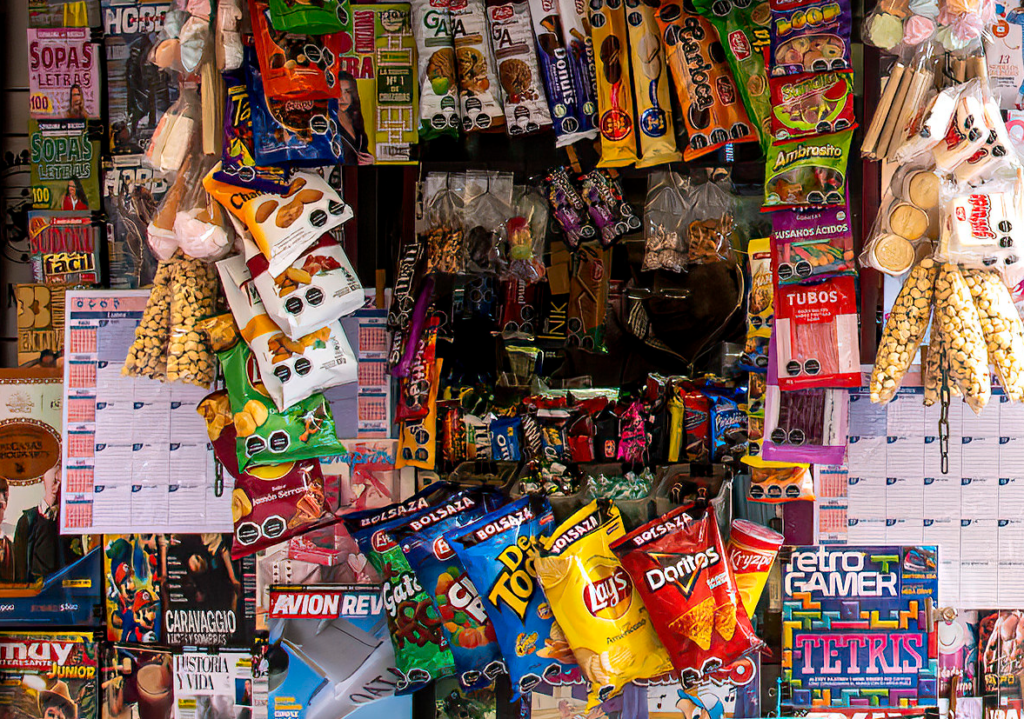
The Lancet confirms Chile’s pioneering food policy is helping reduce childhood obesity
A new study published in The Lancet provides the first national-level evidence that Chile’s comprehensive…

Nestlé to remove all artificial food colourings from its products this year
French headquarters building of Nestlé Nestlé plans to remove artificial food colourings from all food…