
UK advises against drinks with sweeteners for younger children
07 April 2025

The BBC reported that the Scientific Advisory Committee on Nutrition (SACN) from the UK is advising that younger children should not be given drinks containing artificial sweeteners. These sweeteners, such as aspartame, stevia, saccharin, and sucralose, were developed as substitutes for sugar, providing a sweet taste with few or no calories, but they can perpetuate the preference for sweet drinks. Consuming too much sugar increases the risk of tooth decay and long-term health conditions such as type 2 diabetes, obesity, and cardiovascular disease.
The SACN recommends that preschool children should become accustomed to drinking water instead, as sweet drinks could create a habit in children, which can then be difficult to overcome. According to SACN’s assessment, while using sweeteners can help reduce weight gain and may help older children in cutting down on sugar, this reduction in free sugars should be accompanied by other positive dietary changes.

JRC study delivers nutritional quality of food in Europe’s supermarkets
A new study by the Joint Research Centre (JRC) provides the first large-scale overview of…
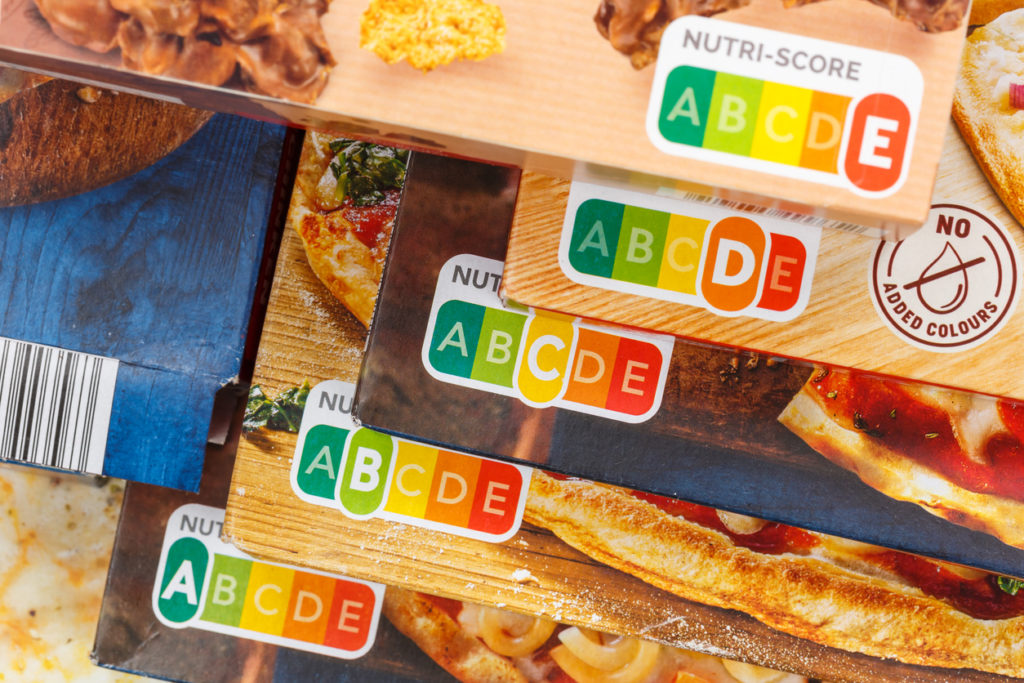
Poland withdraws Nutriscore, deeming it misleading
Nutri Score nutrition label symbol healthy eating for food Nutri-Score Poland’s decided to withdraw the…
Barcelona plans network of affordable shops
Barcelona is preparing a network of shops designed to make fresh food more affordable for…

UPFs: The Commission has all the elements to implement mitigation measures
The worker in the factory places the chicken schnitzel The health risks associated with the…

Utrecht is opening a supermarket for “ugly food”
In Utrecht, the Netherlands, from 7 to 13 September, the No Waste Army organisation is…

France becomes first EU country to ban social media access for under-15s
France’s parliament has approved a bill banning social media access for children under 15, making…