

The Lancet releases papers adding weight to the evidence that UPFs harm human health
21 November 2025
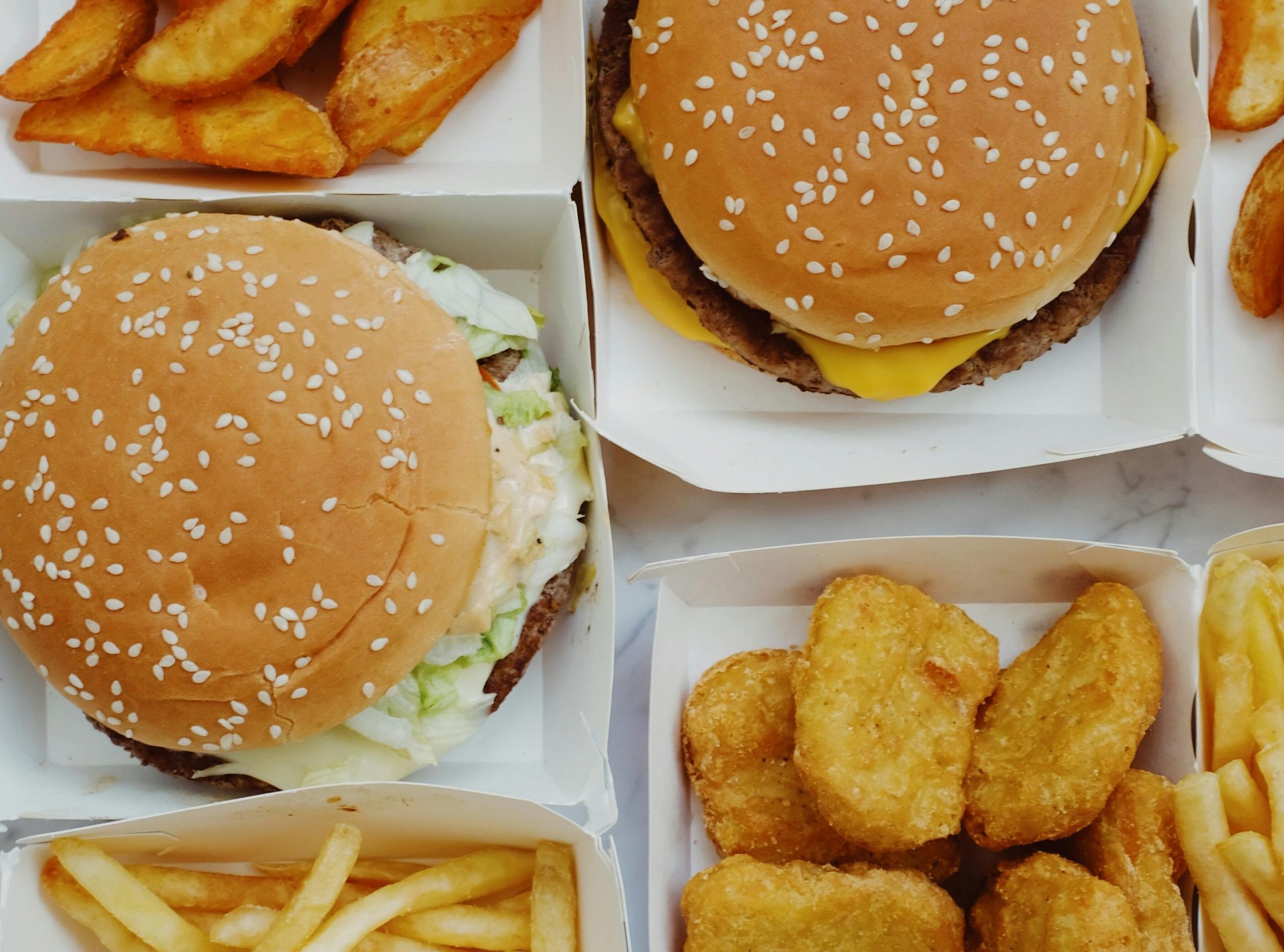
A study by The Lancet reveals that ultra-processed foods (UPFs) are linked to harm in nearly all organs. Ultra-processed diets are rapidly overtaking less processed diets worldwide, and scientists are raising the alarm. In a series of three scientific articles published in the prestigious The Lancet medical journal, 43 international experts, including Carlos Monteiro from São Paulo University, who created the concept of ultra-processed foods, draw on a meta-analysis of epidemiological data and over a hundred studies on the health outcomes of UPFs.
UPFs had already been linked to a wide range of chronic disease and illness, including type 2 diabetes, cardiovascular disease and depression. The Lancet papers add weight to the evidence that UPFs harm human health by identifying new signs of the health risks they pose. According to the studies, an increased consumption of UPFs deteriorates diet quality. They notably cause nutrient imbalances; overeating driven by high energy density; and an increased intake of toxic compounds, endocrine disruptors, and potentially dangerous mixtures of food additives. Toxic components from packaging could also play a role.
According to Monteiro, the aggressive marketing of UPFs by corporations is leading to this worrying dietary shift worldwide, with the share of caloric intake from UPFs going over 50% in the US and the UK, doubling in Mexico and Brazil (10% to 23%), and in China (4% to 10%), and tripling in Spain (10% to 32%).
The authors call for large-scale epidemiological studies and for precautionary measures, including front-of-package labelling requirements, until sufficient evidence is gathered. They also argue that public health policy should target UPFs directly rather than just focus on the ingredients. Professor Karen Hoffman, from Witwatersrand University in South Africa, insisted on the need for a global coordinated response for the threat posed by UPFs, in a similar way to the opposition shown by medicine professionals to the tobacco industry in past decades.

JRC study delivers nutritional quality of food in Europe’s supermarkets
A new study by the Joint Research Centre (JRC) provides the first large-scale overview of…
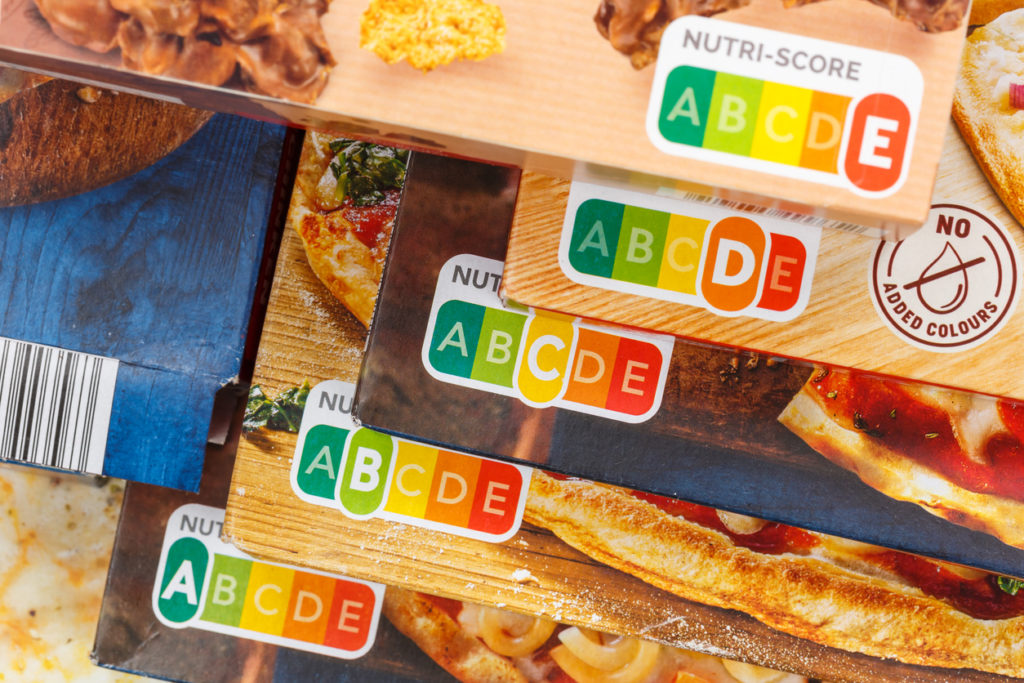
Poland withdraws Nutriscore, deeming it misleading
Nutri Score nutrition label symbol healthy eating for food Nutri-Score Poland’s decided to withdraw the…
Barcelona plans network of affordable shops
Barcelona is preparing a network of shops designed to make fresh food more affordable for…

UPFs: The Commission has all the elements to implement mitigation measures
The worker in the factory places the chicken schnitzel The health risks associated with the…

Utrecht is opening a supermarket for “ugly food”
In Utrecht, the Netherlands, from 7 to 13 September, the No Waste Army organisation is…

France becomes first EU country to ban social media access for under-15s
France’s parliament has approved a bill banning social media access for children under 15, making…