
The Council greenlights the signature of the EU-Mercosur partnership and trade agreement
13 January 2026
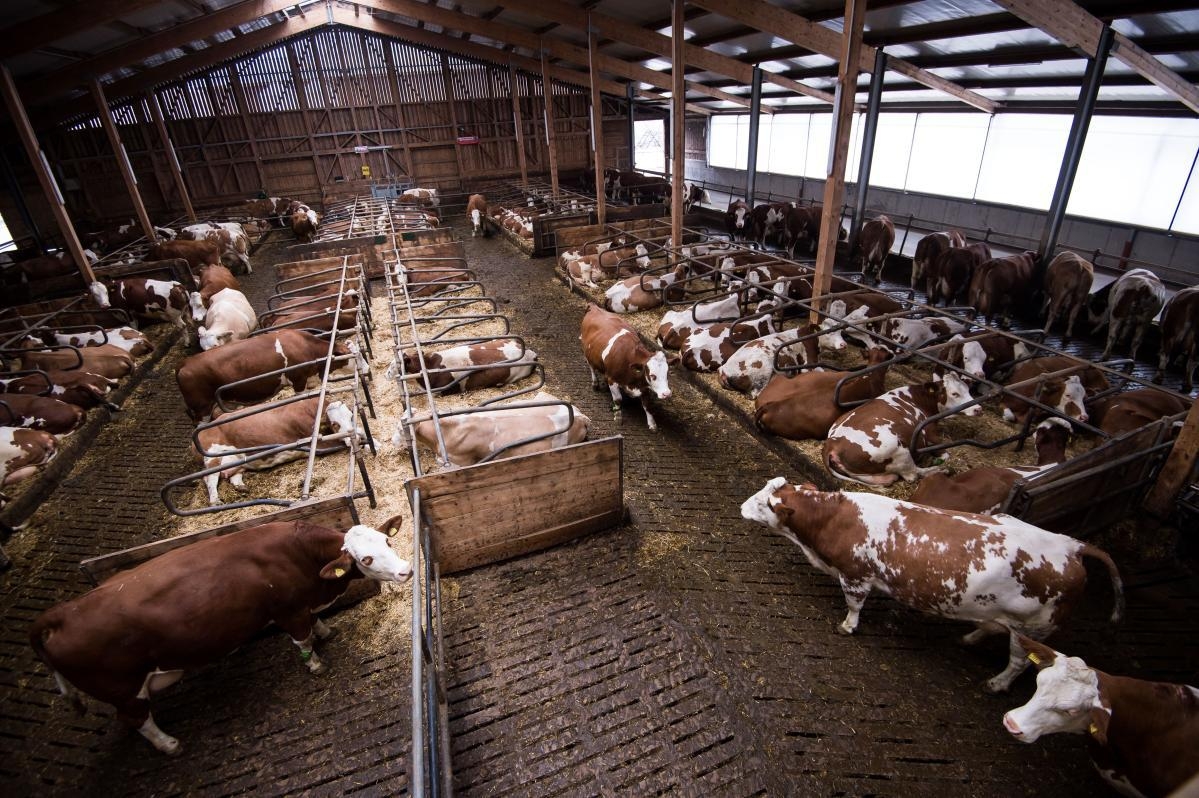
After more than 25 years of negotiations, the European Commission has finally endorsed the controversial EU-Mercosur trade agreement. This deal aims to reduce customs duties and expand market access for goods and services between the European Union and the Mercosur bloc, which includes Argentina, Brazil, Paraguay, and Uruguay.
The European Union seeks to increase exports by European manufacturers and farmers, particularly for automobiles, machinery, chemicals, and beverages. Meanwhile, Mercosur countries will benefit from tariff reductions that will improve access to the EU market for agricultural products such as beef, poultry, and sugar.
Critics argue that Mercosur producers operate under lower labour, environmental and food safety standards. Hormones and pesticides used in animal breeding and intensive farming are key areas of concern. Although EU rules will not change under the new agreement, food imports may significantly increase, highlighting the need for strong border controls.
The EU and Mercosur partners will soon sign the agreement. The European Parliament still needs to give its consent before it is formally concluded.
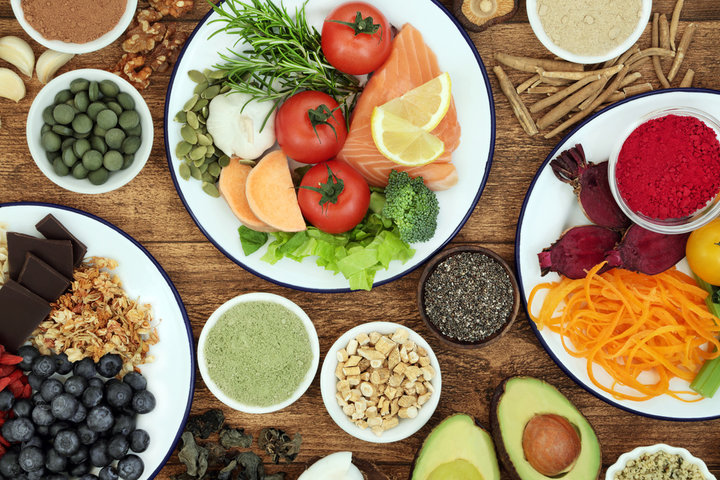
Healthy dietary patterns are linked to a lower risk of cognitive decline
A recent study published in JAMA Neurology reported that healthy dietary patterns are linked to…

Healthy dietary patterns prolong life expectancy, regardless of longevity genes
A study published in Science Advances examined whether five well‑known healthy dietary patterns are associated…
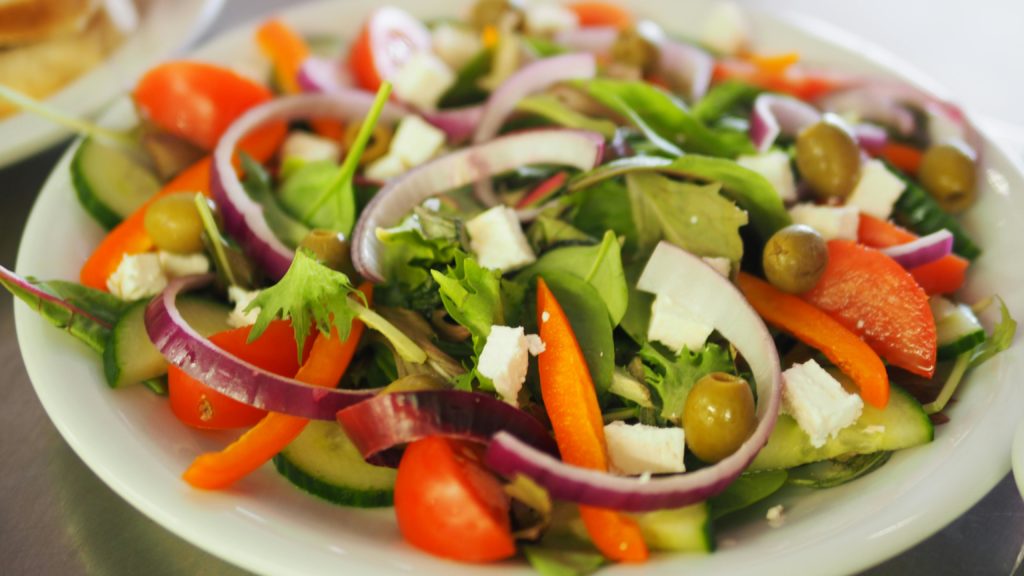
Italian study proves impact of Mediterranean Diet on CVD prevention
A meta-analysis of 1.4 million people published in Science Direct shows consistent protection against cardiovascular…

One in five hazardous mixtures not reported to poison centres
Inspectors working with the European Chemicals Agency (ECHA) in 18 countries carried out a pilot…
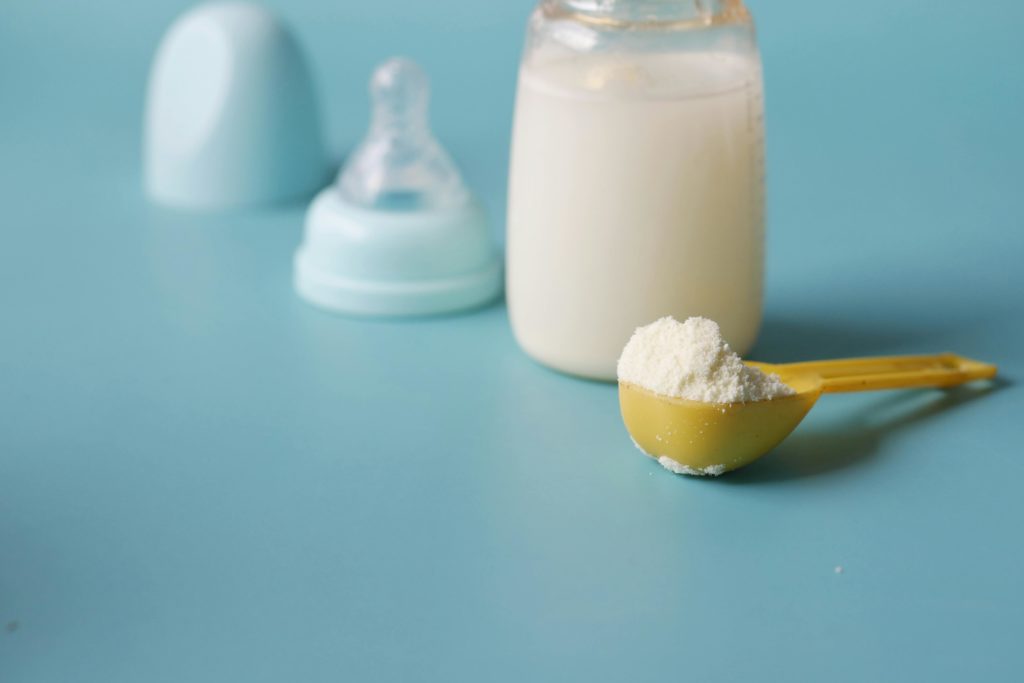
EU imposes new toxin threshold following worldwide infant formula recalls
The European Food Safety Authority (EFSA) has introduced a new maximum safe daily intake level…

Infant formula alert exposes gaps in EU food safety oversight
The infant formula alert due to cereulide contamination underscores loopholes in the EU’s food safety…