
Pesticides banned in Europe but sold to poor countries
24 September 2025
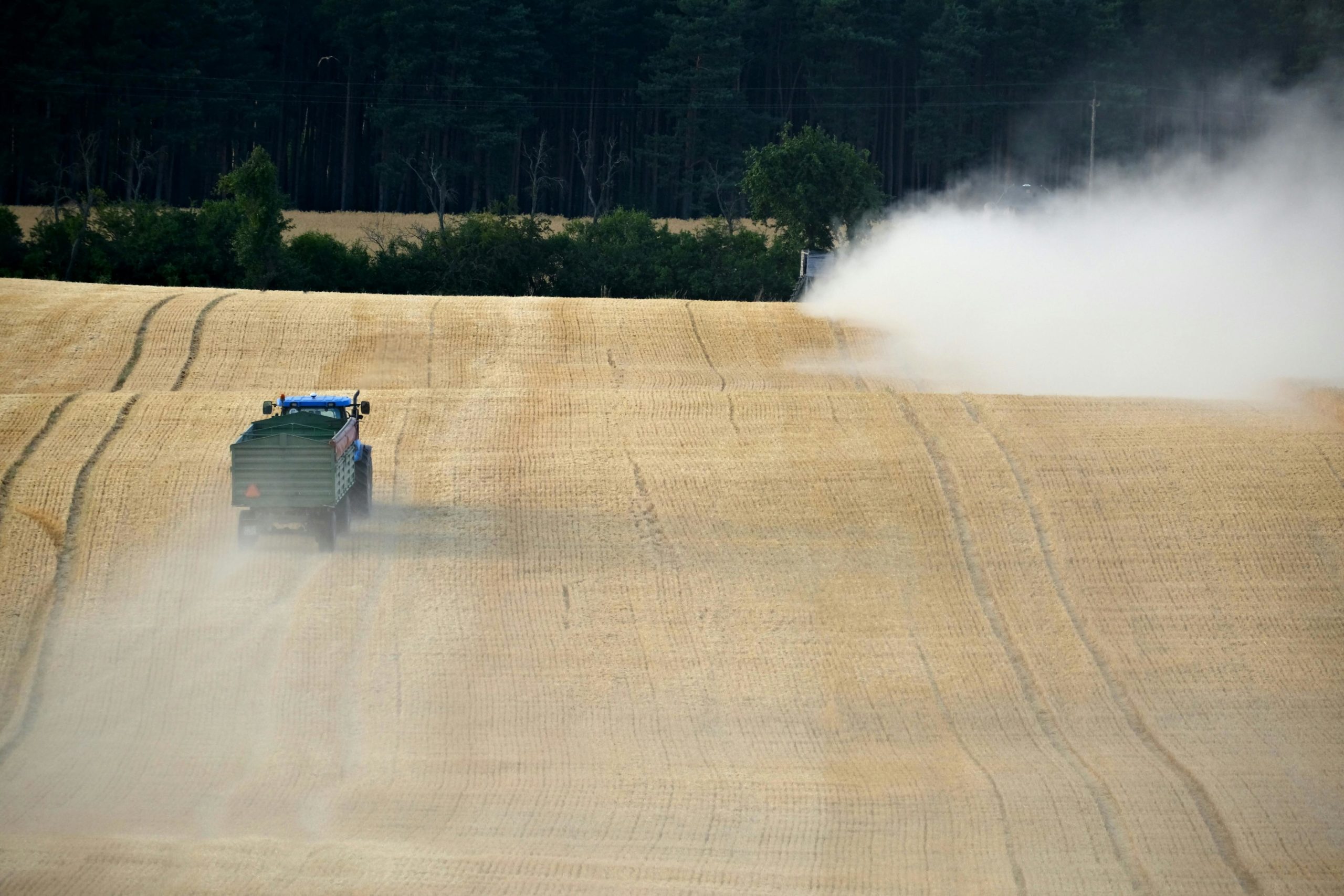
An investigation by Greenpeace, Unearthed, and Public Eye has found that in 2024, the European Union authorised the export of pesticides containing 75 chemicals banned within the EU due to health and environmental hazards. These include pesticides linked to brain damage in children, infertility, and harm to bees and wildlife.
Despite being prohibited in the EU, legal loopholes allow companies to produce and export these toxic products to countries with weaker regulations, mainly low- and middle-income countries. Brazil is the largest importer, while Germany is the top EU exporter, followed by Belgium and Spain.
Exports have nearly doubled since 2018, when 41 banned chemicals were identified by the first investigation. Campaigners warn that these pesticides could boomerang and end up in our plates with the food imported in the EU. Slow Food calls for EU pesticide regulations to apply equally to imports.
In May, Belgium adopted a Royal Decree banning pesticides forbidden in the EU from being exported to third countries.
Although the European Commission committed in 2018 to stop this practice, progress is at a standstill, and the European Green Deal has been dismantled. Greenpeace Italy condemns the prioritisation of industry profits over public health and the environment.
JRC study delivers nutritional quality of food in Europe’s supermarkets
A new study by the Joint Research Centre (JRC) provides the first large-scale overview of…
Poland withdraws Nutriscore, deeming it misleading
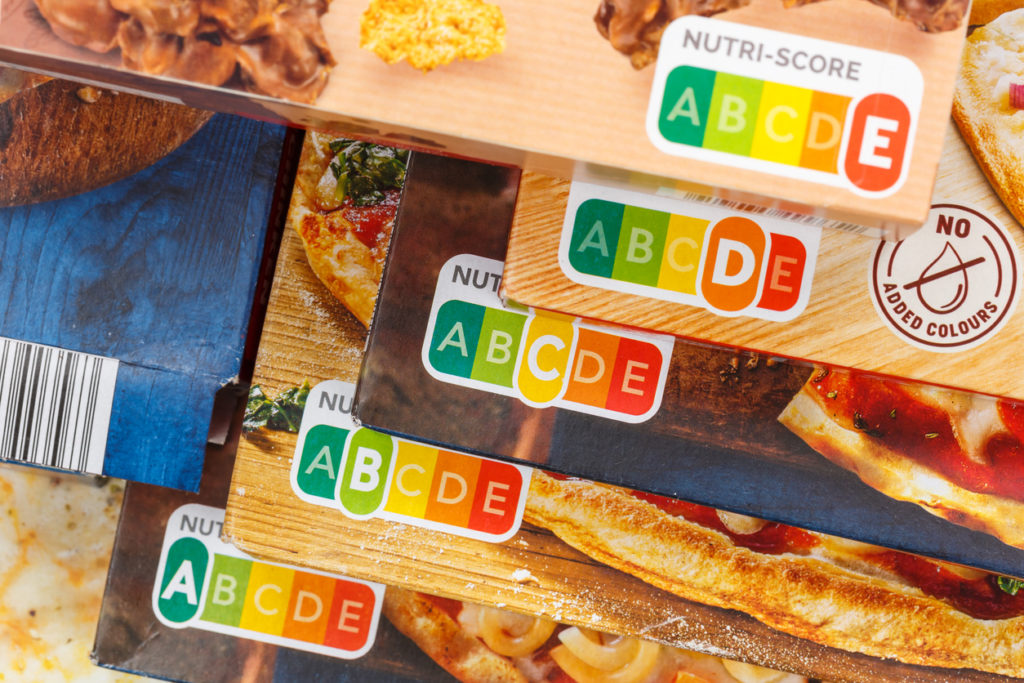
Nutri Score nutrition label symbol healthy eating for food Nutri-Score Poland’s decided to withdraw the…
Barcelona plans network of affordable shops
Barcelona is preparing a network of shops designed to make fresh food more affordable for…

UPFs: The Commission has all the elements to implement mitigation measures
The worker in the factory places the chicken schnitzel The health risks associated with the…
Utrecht is opening a supermarket for “ugly food”
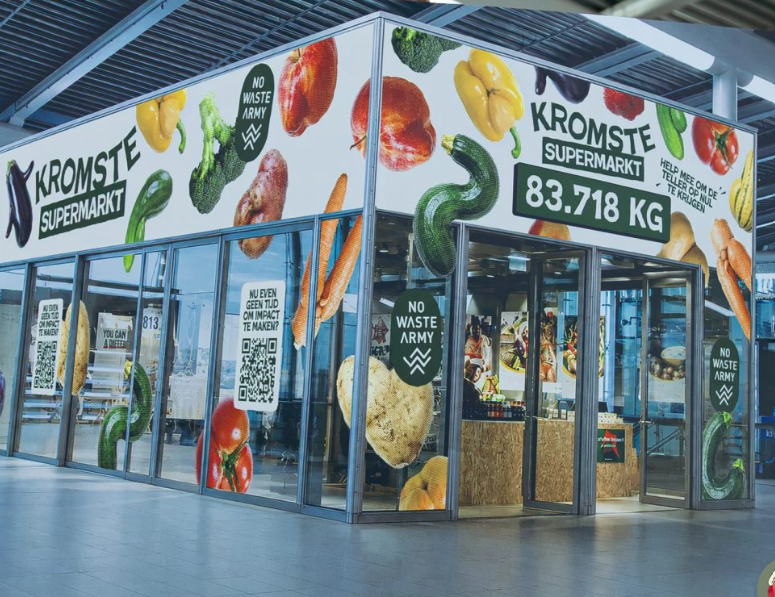
In Utrecht, the Netherlands, from 7 to 13 September, the No Waste Army organisation is…

France becomes first EU country to ban social media access for under-15s
France’s parliament has approved a bill banning social media access for children under 15, making…