

Negative effects of UPFs are independent of caloric intake
04 September 2025
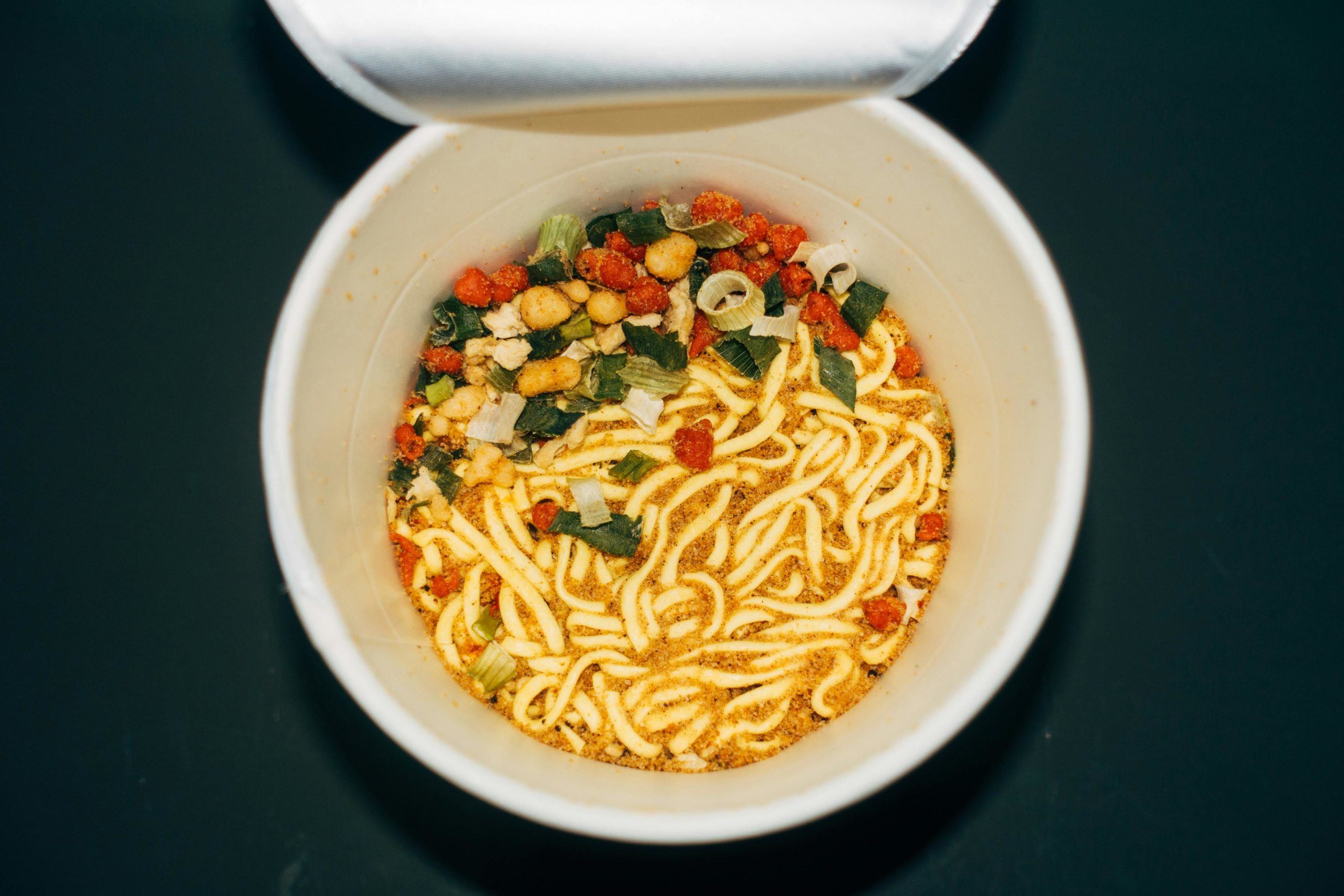
People gain more weight on an ultra-processed diet compared to a minimally processed diet, even when they eat the same number of calories, according to an international study in humans published in Cell Metabolism. This means the negative effects of ultra-processed foods (UPFs), such as obesity or cardiovascular diseases, are independent from caloric intake and occur even in people with lower levels of UPF consumption.
Scientists studied 43 men aged 20 to 35, testing unprocessed and ultra-processed diets on every person for 3 weeks with a break in between, and compared the outcomes. Both diets had the same amount of calories, protein, carbs and fats for each participant but half of the sample were given a high-calorie diet with an extra 500 daily calories.
The men gained around 1 kg more of fat mass while on the ultra-processed diet compared to the unprocessed diet, regardless of whether they were on the normal or excess calorie diet. Those on the ultra-processed diet also showed alarming levels of endocrine disruptors, too, with an impact on fertility.
Ultra-processed foods have been linked to many poor health outcomes. These findings are important to try to establish the underlying reasons. The study contradicts the claim that negative outcomes of UPFs are linked to people eating more than they should and points directly at the composition of the ingredients and the processing.
According to one of the authors of the study, Professor Romain Barrès, the long-term implications highlight the need to revise nutritional guidelines to better protect against chronic disease.

JRC study delivers nutritional quality of food in Europe’s supermarkets
A new study by the Joint Research Centre (JRC) provides the first large-scale overview of…
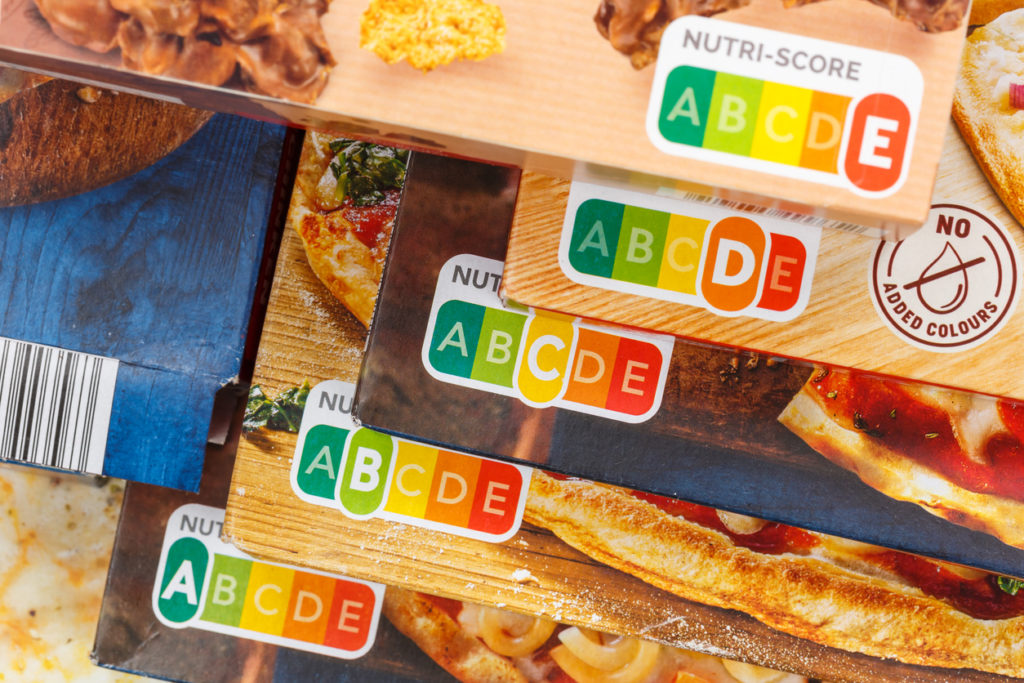
Poland withdraws Nutriscore, deeming it misleading
Nutri Score nutrition label symbol healthy eating for food Nutri-Score Poland’s decided to withdraw the…
Barcelona plans network of affordable shops
Barcelona is preparing a network of shops designed to make fresh food more affordable for…

UPFs: The Commission has all the elements to implement mitigation measures
The worker in the factory places the chicken schnitzel The health risks associated with the…
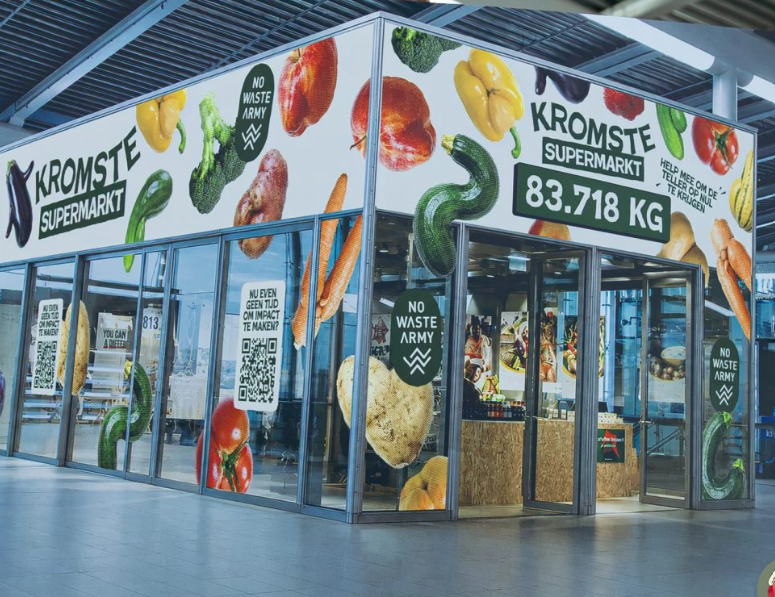
Utrecht is opening a supermarket for “ugly food”
In Utrecht, the Netherlands, from 7 to 13 September, the No Waste Army organisation is…

France becomes first EU country to ban social media access for under-15s
France’s parliament has approved a bill banning social media access for children under 15, making…