
Fake honey production on the rise
23 April 2025
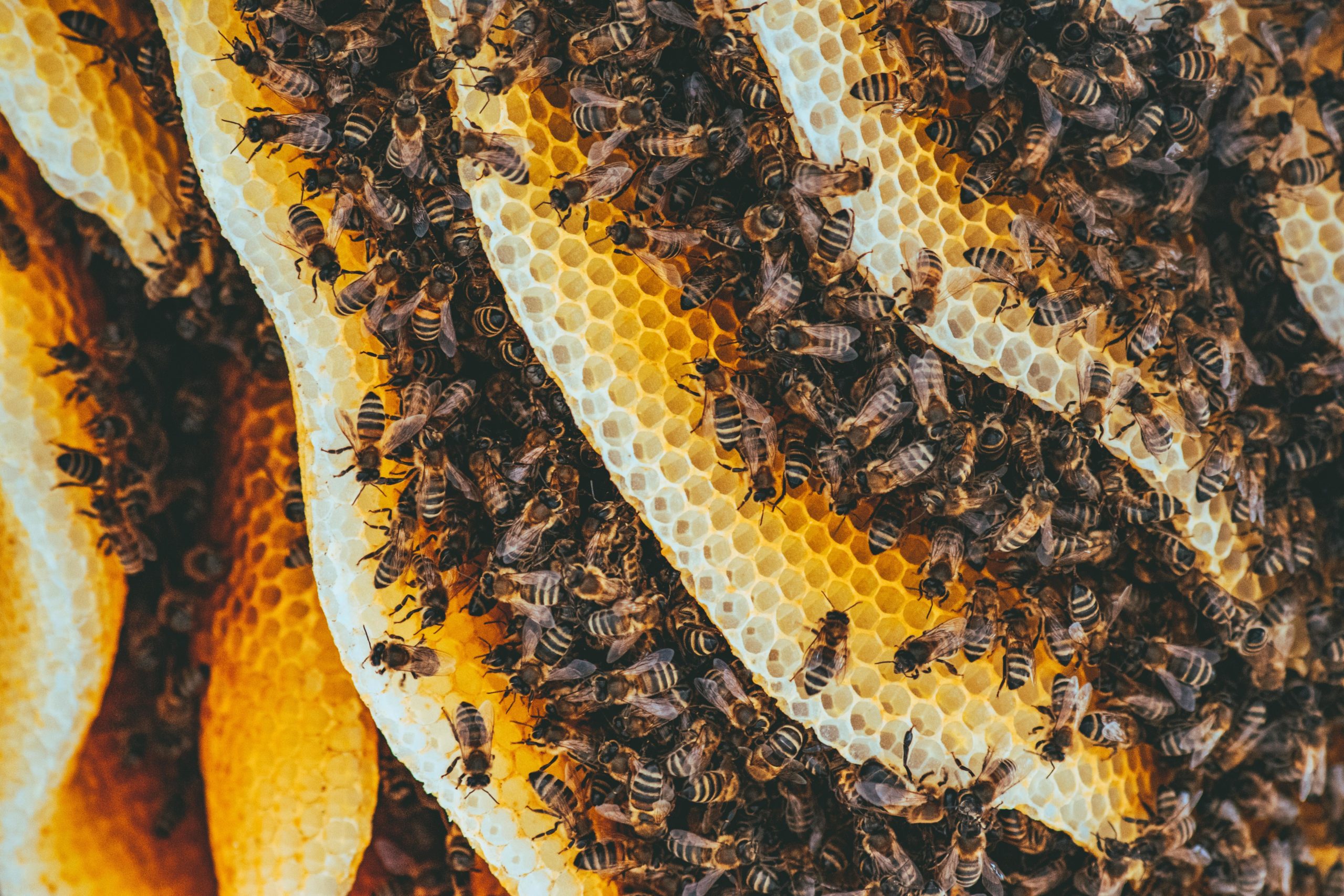
Deutsche Welle has reported that the honey industry is facing a crisis due to counterfeit honey, often adulterated with sugar syrup. This fake honey has already made its way into the EU, despite the fact that products containing artificial flavours, colours, sweeteners, glucose, corn syrup, or artificial honeycomb cannot legally be sold as honey. In 2023, the European Anti-Fraud Office uncovered significant violations involving honey imported into the European Union, with nearly half (46%) of the samples examined found to be adulterated.
The sector also faces other fraudulent practices such as feeding bees sugar syrup to increase yield, mislabelling or document fraud regarding nectar sources, and the lack of proper authenticity testing and enforcement. In Canada, Food Ingredients First reports, researchers at McGill University have developed an AI-powered verification method to help protect consumers and ethical beekeepers from these fraudulent activities. This technique enables rapid and accurate identification of honey within minutes.
The McGill researchers hope their technique will be adopted by food inspection agencies worldwide. They also wish to explore its application to other food products susceptible to mislabelling. This situation highlights that customs checks are insufficient for detecting counterfeit honey, and policymakers should urgently reinforce them.
UPFs: The Commission has all the elements to implement mitigation measures
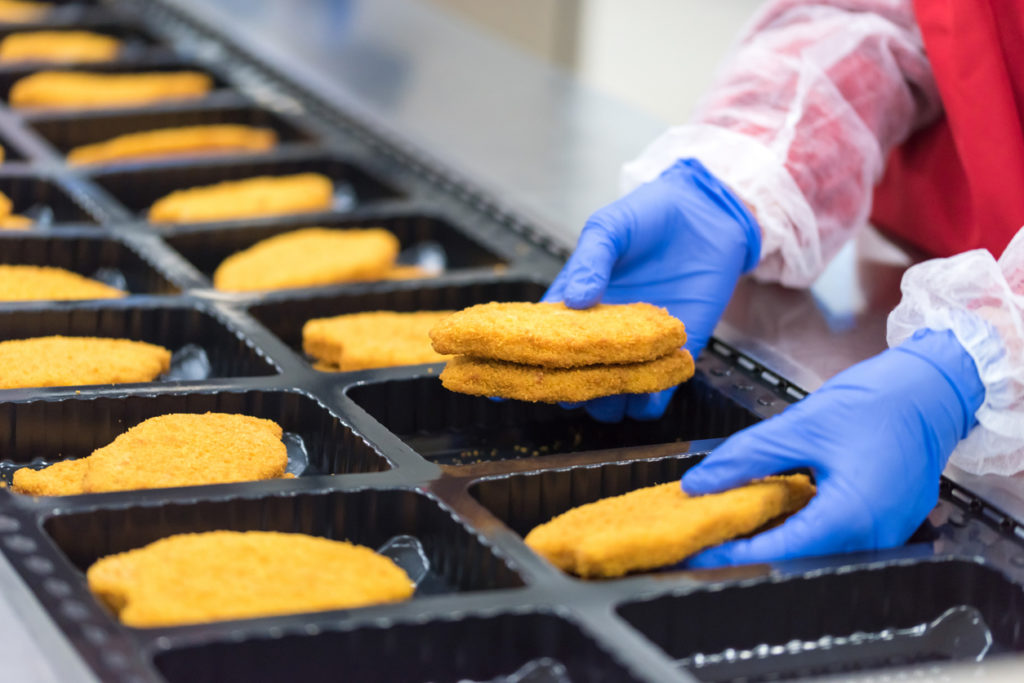
The worker in the factory places the chicken schnitzel The health risks associated with the…
Utrecht is opening a supermarket for “ugly food”
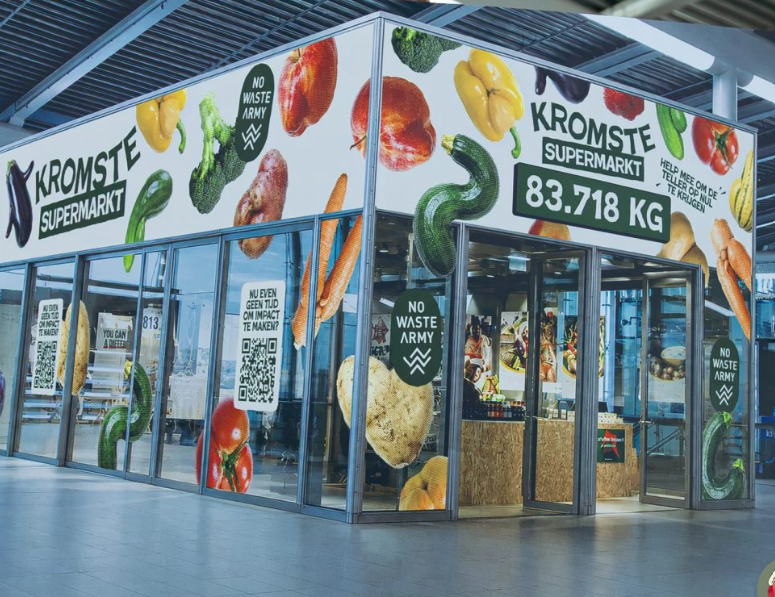
In Utrecht, the Netherlands, from 7 to 13 September, the No Waste Army organisation is…

France becomes first EU country to ban social media access for under-15s
France’s parliament has approved a bill banning social media access for children under 15, making…

Social media marketing influences our food choices
As the UK, Canada, or Austria move towards restricting social media use for minors, studies…
The Lancet confirms Chile’s pioneering food policy is helping reduce childhood obesity
A new study published in The Lancet provides the first national-level evidence that Chile’s comprehensive…

Nestlé to remove all artificial food colourings from its products this year
French headquarters building of Nestlé Nestlé plans to remove artificial food colourings from all food…