
EU imposes new toxin threshold following worldwide infant formula recalls
04 February 2026
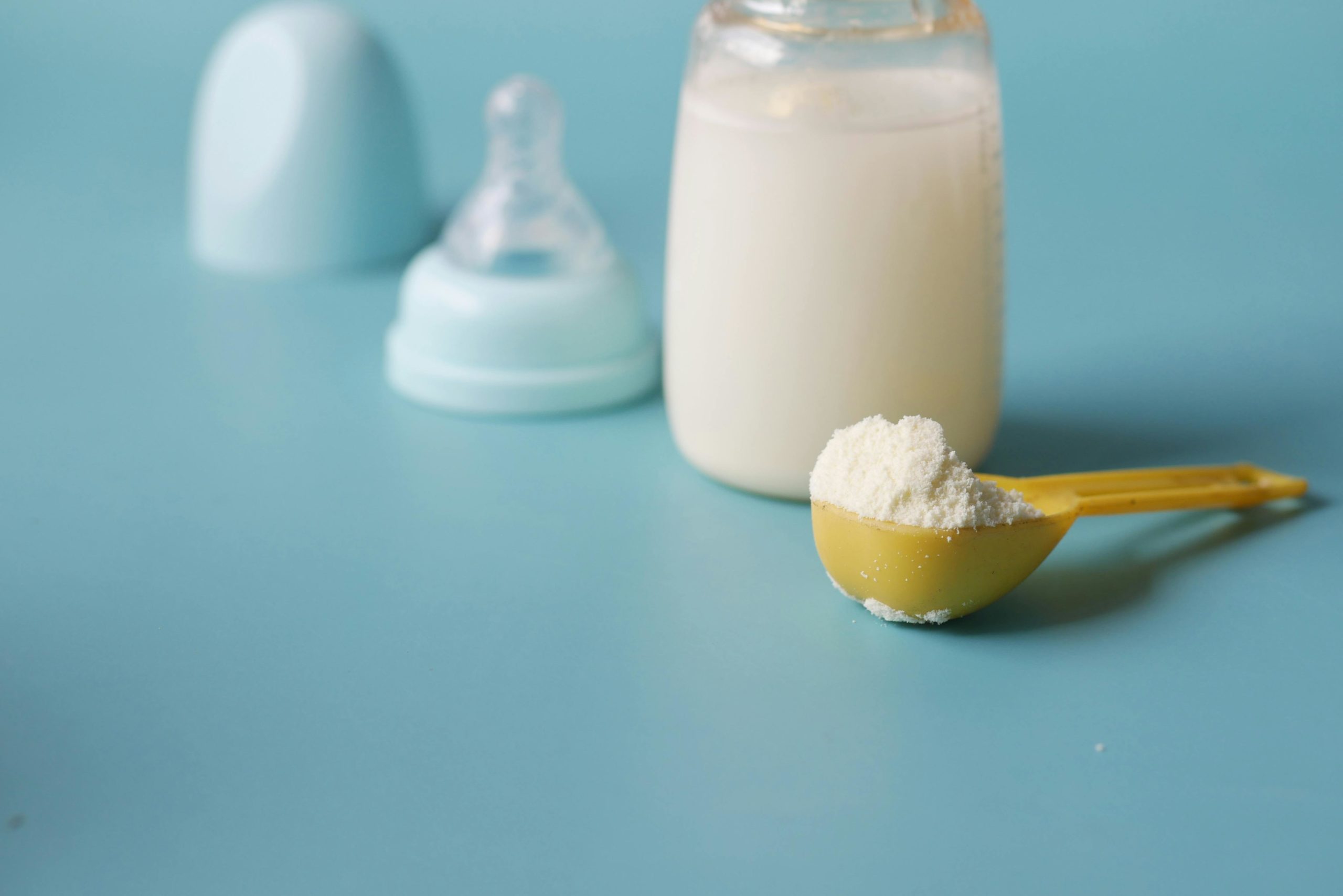
The European Food Safety Authority (EFSA) has introduced a new maximum safe daily intake level for cereulide, a toxin produced by Bacillus cereus. This decision follows recalls of infant formula in more than 60 countries. Cereulide can cause vomiting, nausea and diarrhoea, and can have important risks for young children.
Manufacturers Nestlé, Lactalis and Danone began recalling products only in January, after detecting traces of the toxin in December. The European Commission then asked EFSA to provide urgent scientific advice and propose a unified European safety threshold. EFSA has now set an “acute reference dose” for children under 16 weeks at 0.014 micrograms of cereulide per kilogram of body weight per day. France has already aligned its own national limit with this stricter threshold.
French authorities are investigating the deaths of two infants in January who had consumed Guigoz formula produced by Nestlé, even if contamination has not yet been confirmed to be linked with the recalled products in any case. Nestlé has identified arachidonic acid (ARA) oil as the source of contamination. French investigators are now focusing their search on a supplier based in China.
JRC study delivers nutritional quality of food in Europe’s supermarkets
A new study by the Joint Research Centre (JRC) provides the first large-scale overview of…
Poland withdraws Nutriscore, deeming it misleading
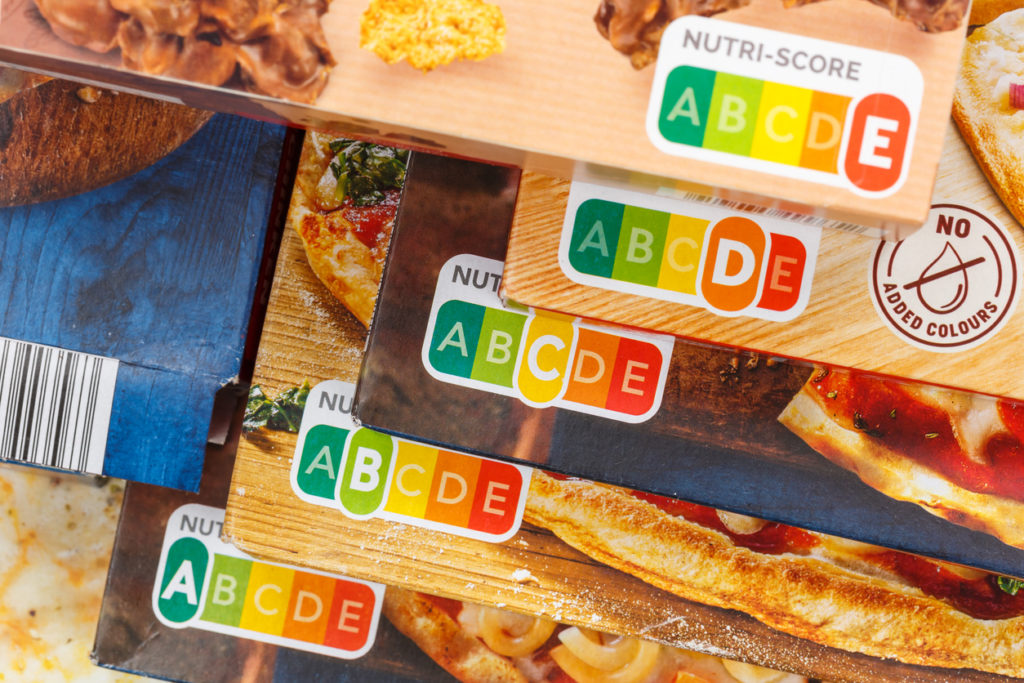
Nutri Score nutrition label symbol healthy eating for food Nutri-Score Poland’s decided to withdraw the…
Barcelona plans network of affordable shops
Barcelona is preparing a network of shops designed to make fresh food more affordable for…

UPFs: The Commission has all the elements to implement mitigation measures
The worker in the factory places the chicken schnitzel The health risks associated with the…
Utrecht is opening a supermarket for “ugly food”
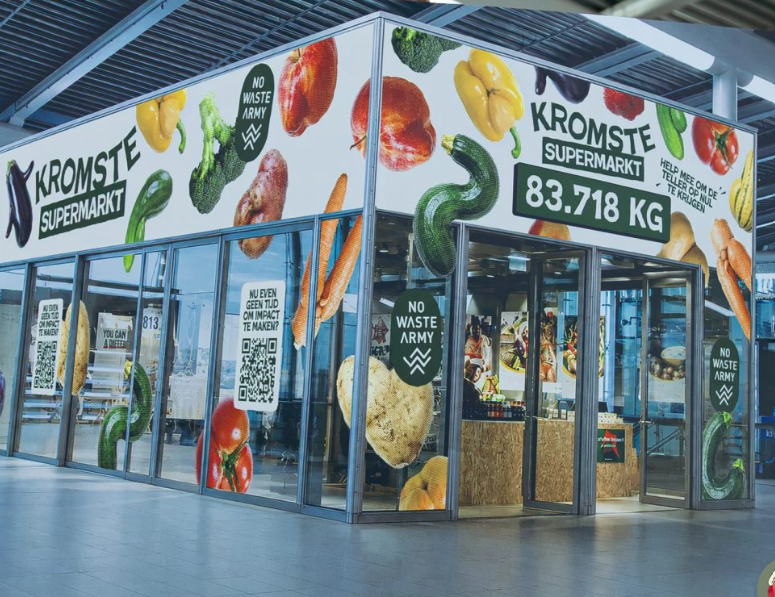
In Utrecht, the Netherlands, from 7 to 13 September, the No Waste Army organisation is…

France becomes first EU country to ban social media access for under-15s
France’s parliament has approved a bill banning social media access for children under 15, making…