

CO2 levels affect the composition of food
19 December 2025
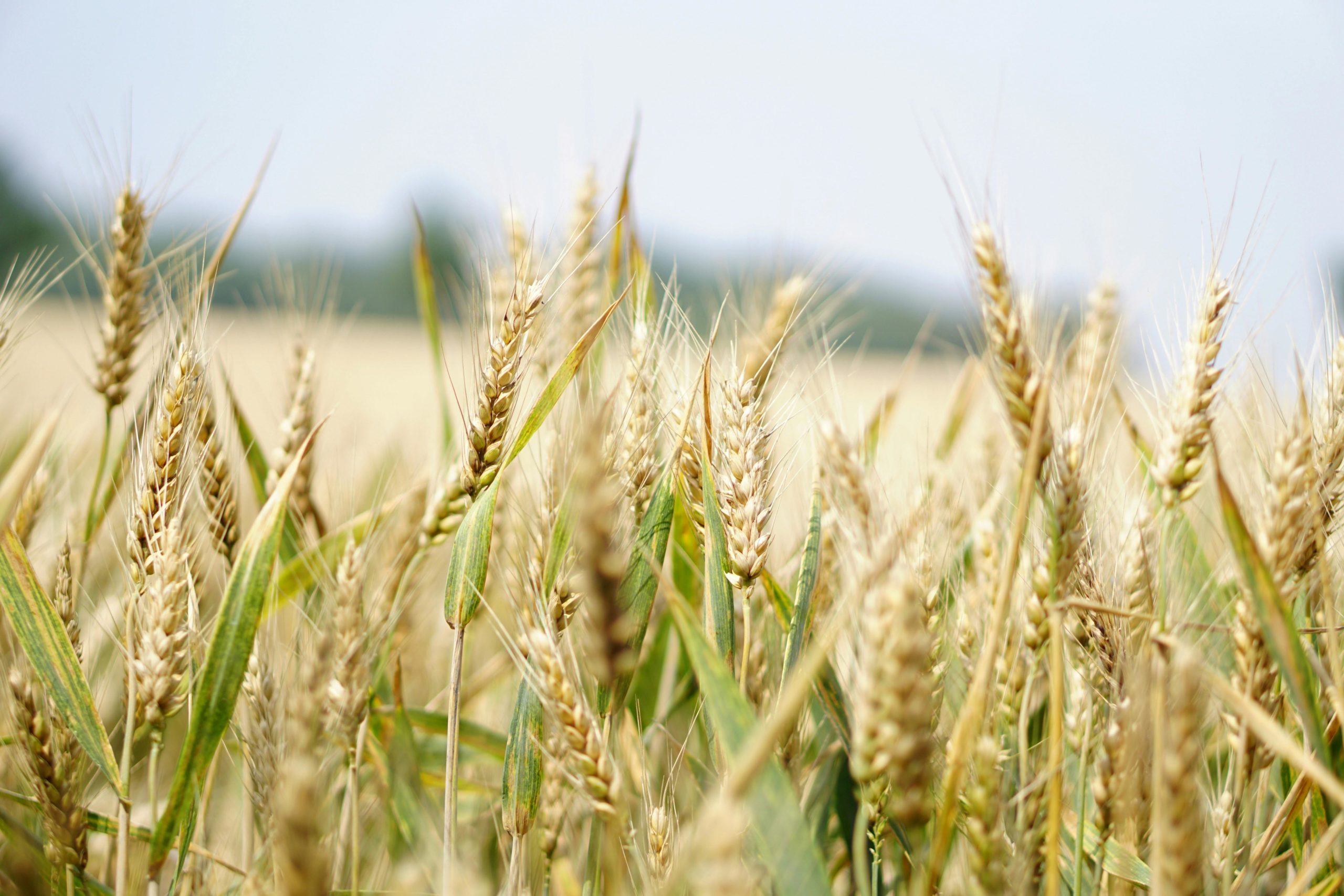
More carbon dioxide in the environment is making food more calorific but less nutritious, a study has found.
Scientists from Leiden University in the Netherlands have been investigating how rising levels of carbon dioxide (CO2) in the atmosphere affect plants. They developed a method to compare various studies on plant responses to increased CO2 concentrations. These studies include crops such as rice, potatoes, tomatoes, and wheat.
The findings reveal a significant shift in the composition of food. Higher CO2 levels tend to make food more calorific, but they also reduce its nutrient density. Most essential nutrients such as protein, zinc, and iron respond negatively to elevated CO2. Their concentration decreases in crops like rice and wheat. This could lead to hidden consequences: people may consume enough calories but will suffer from nutrient deficiencies.
Current CO2 levels have already resulted in reduced plant nutrition. This questions how we grow or produce our food and if we should consequently adjust our diets.
This research forms part of a broader study on the impact of climate breakdown on crops, both in outdoor environments and in artificial conditions such as greenhouses, where crops are grown in CO2 enriched environments to boost yields.
However, crop improvement strategies could help counteract these negative effects on crop quality. Other factors, such as fertiliser application, also play an important role in determining the nutritional value of crops.
Source: The Guardian

One in five hazardous mixtures not reported to poison centres
Inspectors working with the European Chemicals Agency (ECHA) in 18 countries carried out a pilot…

EU imposes new toxin threshold following worldwide infant formula recalls
The European Food Safety Authority (EFSA) has introduced a new maximum safe daily intake level…

Infant formula alert exposes gaps in EU food safety oversight
The infant formula alert due to cereulide contamination underscores loopholes in the EU’s food safety…

WHO encourages taxation of sugary drinks
The World Health Organization (WHO) is calling on governments to raise taxes on alcoholic beverages and sugary drinks, to…
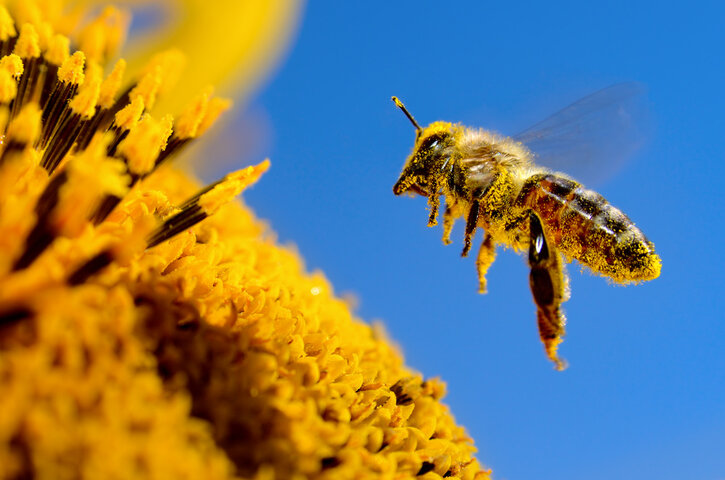
78% of Walloon agricultural soil contaminated with insecticides, according to a new study by UCLouvain
Scientists from the Earth and Life Institute at UCLouvain have published a study in the…
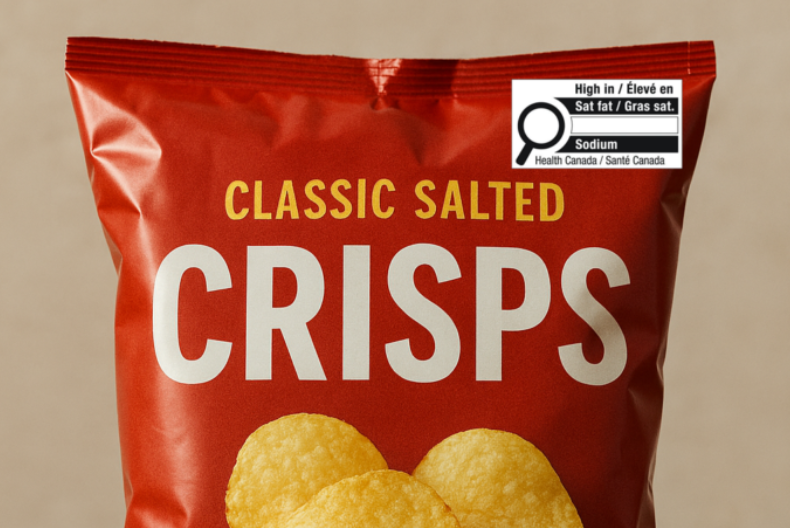
Canada Introduces Mandatory Front-of-Package Nutrition Warning Symbols
As of January 1, 2026, the Canadian government now requires food companies to display nutrition…