

Average human brain contains spoonful of microplastics
10 March 2025
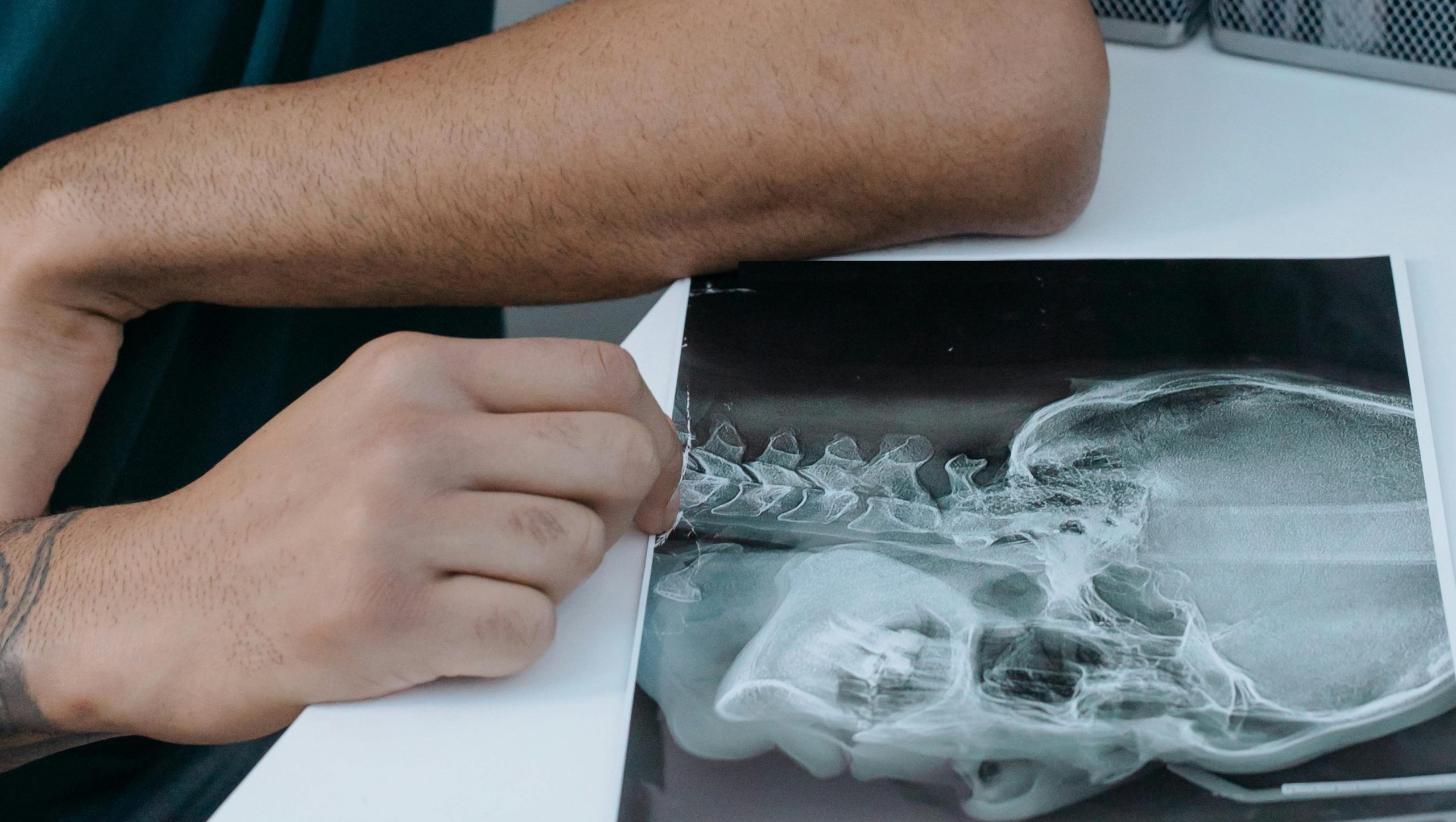
A study from the University of New Mexico published in Nature has found the equivalent of a spoonful of micro- and nanoplastics (MNPs) in human brains from corpses analysed. Brains of corpses with a documented clinical history of dementia, were found to have three to five times higher amounts of MNPs.
The accumulation was bigger in other organs, like levers and kidneys, with polyethylene as the main component detected in the samples.
Two different sets of corpses were studied, with those dead in 2024 presenting higher levels of MNPs than those dead in 2016, suggesting an ongoing increase in environmental exposure.
These results highlight a critical need to better understand the routes of exposure to and uptake.
Still, the study showed no correlation between the amounts of micro- and nanoplastics and age, suggesting the possibility that the body can eliminate at least some amount of MNPs.

JRC study delivers nutritional quality of food in Europe’s supermarkets
A new study by the Joint Research Centre (JRC) provides the first large-scale overview of…
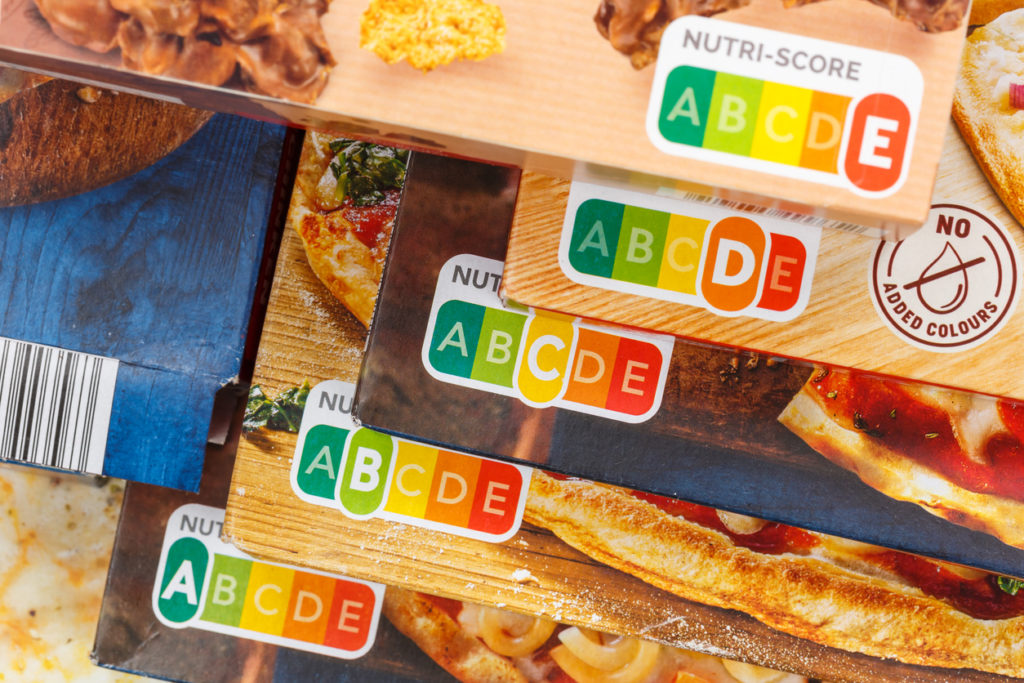
Poland withdraws Nutriscore, deeming it misleading
Nutri Score nutrition label symbol healthy eating for food Nutri-Score Poland’s decided to withdraw the…

Barcelona plans network of affordable shops
Barcelona is preparing a network of shops designed to make fresh food more affordable for…
UPFs: The Commission has all the elements to implement mitigation measures
The worker in the factory places the chicken schnitzel The health risks associated with the…

Utrecht is opening a supermarket for “ugly food”
In Utrecht, the Netherlands, from 7 to 13 September, the No Waste Army organisation is…

France becomes first EU country to ban social media access for under-15s
France’s parliament has approved a bill banning social media access for children under 15, making…