

A study finds nanoplastics in edible parts of vegetables
23 September 2025
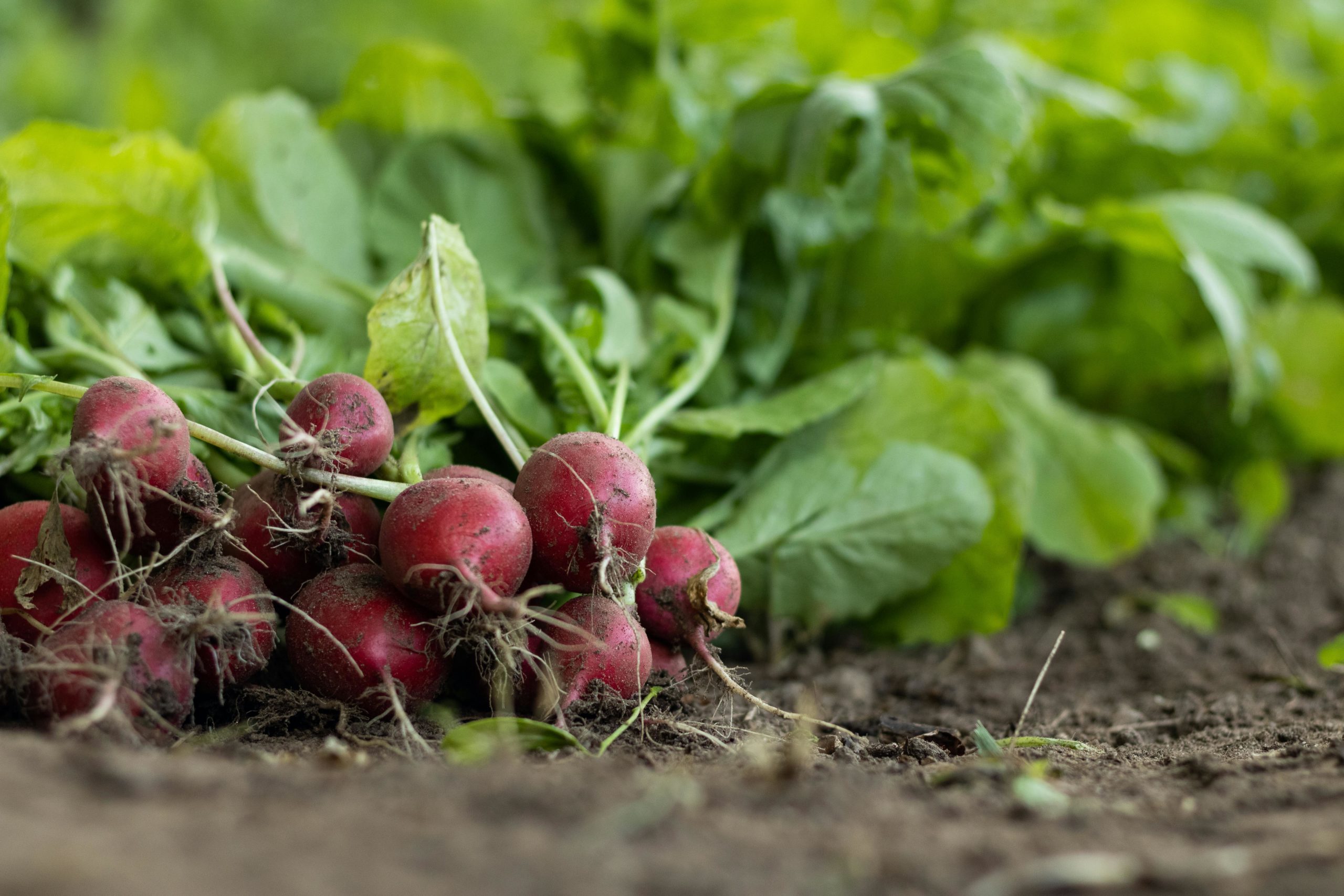
A study has revealed the presence of nanoplastics, plastic particles even smaller than microplastics, in the edible parts of vegetables for the first time. The study demonstrated that these particles can reach areas of plants previously thought to be protected.
The migration of plastics into food, and into the human body, poses serious health risks for consumers. Unlike larger plastic particles, nanoplastics are capable of entering the human bloodstream via the lungs or intestines, potentially reaching organs such as the heart and brain, cells, and even unborn babies during pregnancy.
Plants possess a hydrophobic layer that acts as a barrier, preventing nanoplastics from reaching edible roots and shoots. However, the research shows that polystyrene nanoplastics are able to cross this barrier. This does not necessarily mean that all types of nanoplastics can do the same.
In light of these findings, SAFE reiterates the urgent need to reduce the overproduction of plastics and their accumulation in our environment which is detrimental to human health and biodiversity.
Barcelona plans network of affordable shops
Barcelona is preparing a network of shops designed to make fresh food more affordable for…
UPFs: The Commission has all the elements to implement mitigation measures
The worker in the factory places the chicken schnitzel The health risks associated with the…

Utrecht is opening a supermarket for “ugly food”
In Utrecht, the Netherlands, from 7 to 13 September, the No Waste Army organisation is…

France becomes first EU country to ban social media access for under-15s
France’s parliament has approved a bill banning social media access for children under 15, making…

Social media marketing influences our food choices
As the UK, Canada, or Austria move towards restricting social media use for minors, studies…

The Lancet confirms Chile’s pioneering food policy is helping reduce childhood obesity
A new study published in The Lancet provides the first national-level evidence that Chile’s comprehensive…