

78% of Walloon agricultural soil contaminated with insecticides, according to a new study by UCLouvain
22 January 2026
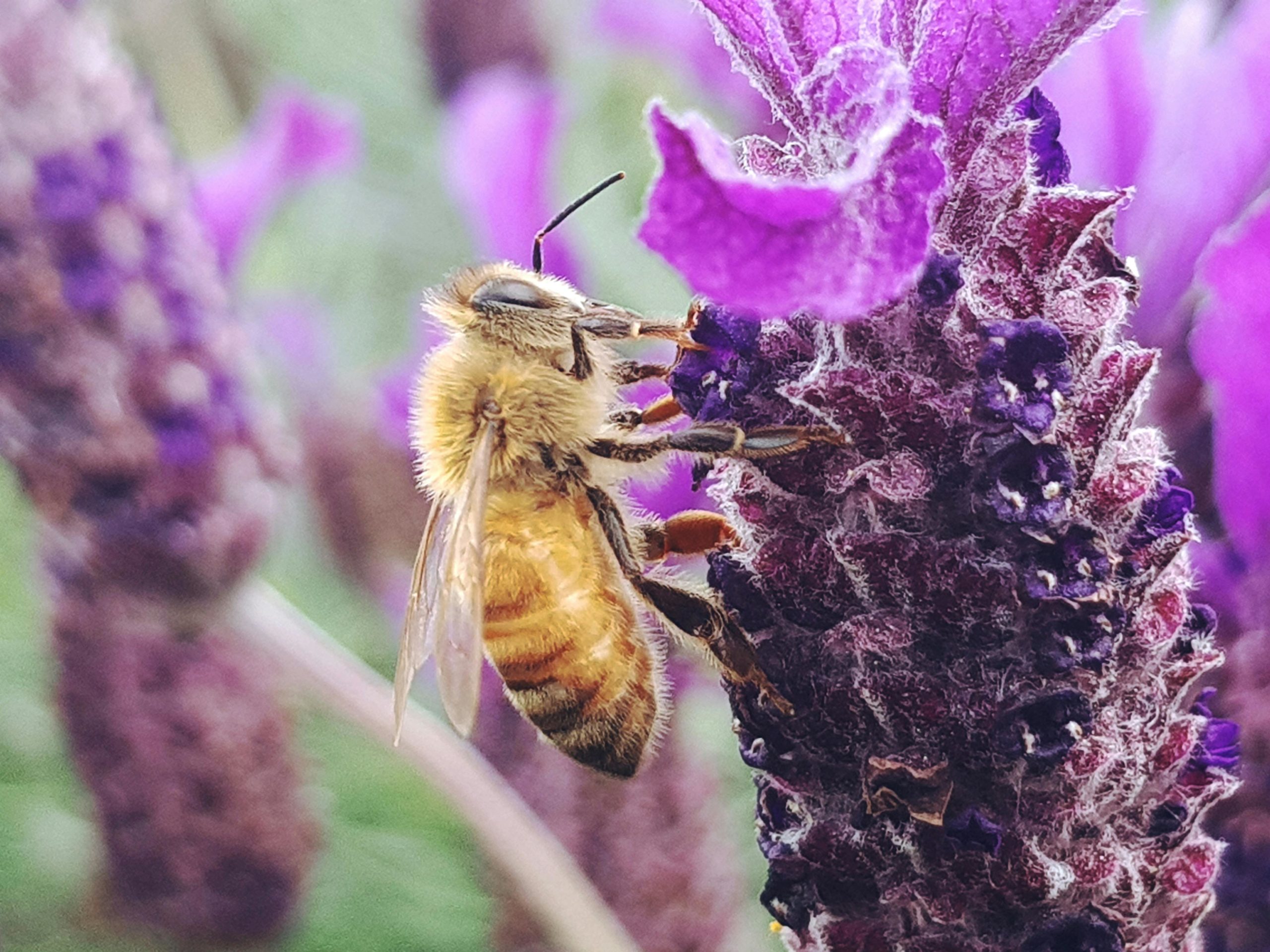
Scientists from the Earth and Life Institute at UCLouvain have published a study in the Journal of Hazardous Materials, revealing that among 86 agricultural plots analysed in Wallonia, 78% contained residues of neonicotinoids, a family of insecticides known for their harmful effects on pollinators. Alarmingly, these pesticides were also detected on plots that had never been directly treated. The publication comes after the EU has approved measures simplifying certain environmental regulations.
These findings highlight that neonicotinoids can persist in the environment for several years and impact pollinators, water quality, and ecosystems.
Another part of the research focused on cover crops, plants grown between two main crops to protect the soil and provide flowers for pollinators. The study shows that these plants absorb neonicotinoid residues from the soil. Sometimes the insecticide was detected after three years since the last treatment. The pesticides were found in the leaves, roots, flowers, and even in pollen, which is used by pollinators.
The study clearly shows that soils can still contain pesticide residues long after these have been banned. The UCLouvain scientists recommend greater caution in agri-environmental policies. They emphasise that the planning of treatments and how grasslands or flower strips are designed are essential to limit the persistent effects of these insecticides.
Ultra-processed foods linked to poor bone health
Eating more ultra-processed foods may also be bad for your bones, according to a new…

Switzerland debates banning sweets at supermarket checkouts
Switzerland may consider banning sweets at supermarket checkouts after a study by the French-speaking Swiss…

Vegetarians have a substantially lower risk of five types of cancer
Vegetarians have a substantially lower risk of five types of cancer, according to a landmark…

Healthy dietary patterns are linked to a lower risk of cognitive decline
A recent study published in JAMA Neurology reported that healthy dietary patterns are linked to…

Healthy dietary patterns prolong life expectancy, regardless of longevity genes
A study published in Science Advances examined whether five well‑known healthy dietary patterns are associated…

Italian study proves impact of Mediterranean Diet on CVD prevention
A meta-analysis of 1.4 million people published in Science Direct shows consistent protection against cardiovascular…