

UK advises against drinks with sweeteners for younger children
07 April 2025

The BBC reported that the Scientific Advisory Committee on Nutrition (SACN) from the UK is advising that younger children should not be given drinks containing artificial sweeteners. These sweeteners, such as aspartame, stevia, saccharin, and sucralose, were developed as substitutes for sugar, providing a sweet taste with few or no calories, but they can perpetuate the preference for sweet drinks. Consuming too much sugar increases the risk of tooth decay and long-term health conditions such as type 2 diabetes, obesity, and cardiovascular disease.
The SACN recommends that preschool children should become accustomed to drinking water instead, as sweet drinks could create a habit in children, which can then be difficult to overcome. According to SACN’s assessment, while using sweeteners can help reduce weight gain and may help older children in cutting down on sugar, this reduction in free sugars should be accompanied by other positive dietary changes.
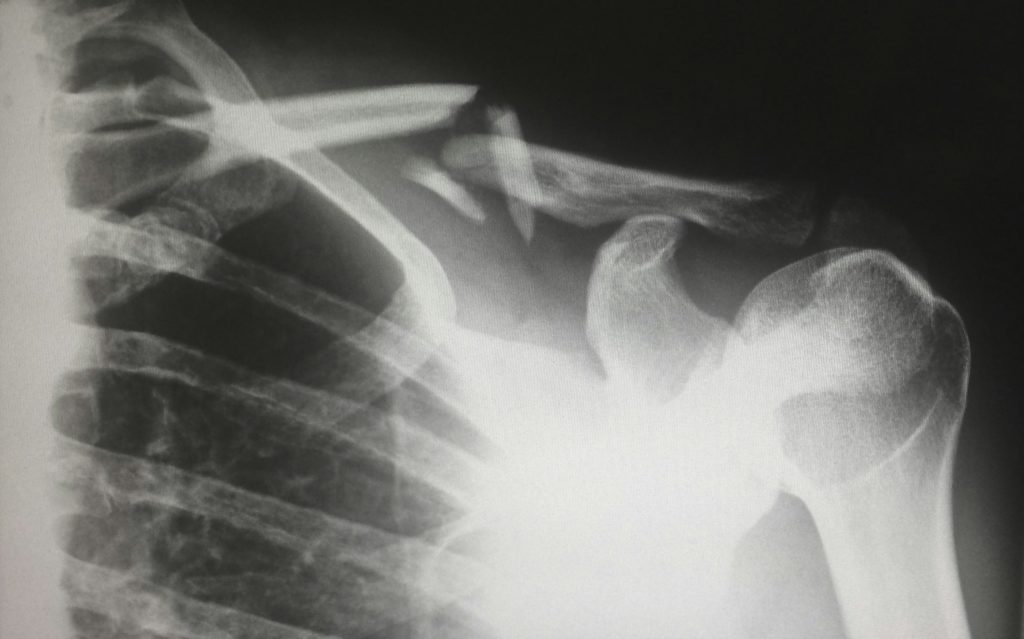
Ultra-processed foods linked to poor bone health
Eating more ultra-processed foods may also be bad for your bones, according to a new…

Switzerland debates banning sweets at supermarket checkouts
Switzerland may consider banning sweets at supermarket checkouts after a study by the French-speaking Swiss…

Vegetarians have a substantially lower risk of five types of cancer
Vegetarians have a substantially lower risk of five types of cancer, according to a landmark…
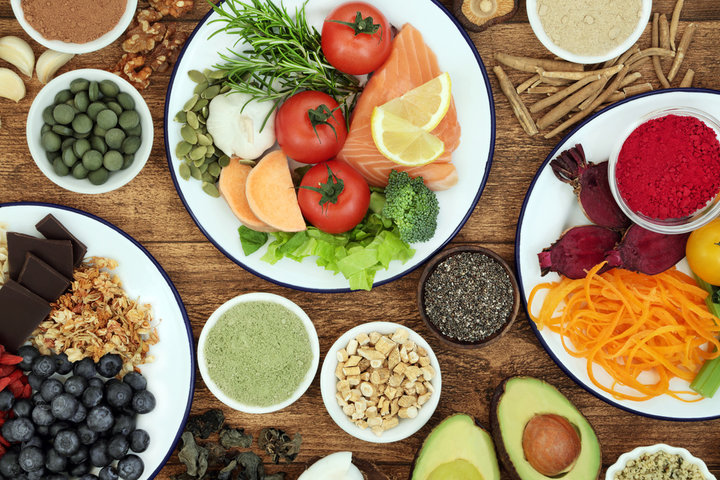
Healthy dietary patterns are linked to a lower risk of cognitive decline
A recent study published in JAMA Neurology reported that healthy dietary patterns are linked to…

Healthy dietary patterns prolong life expectancy, regardless of longevity genes
A study published in Science Advances examined whether five well‑known healthy dietary patterns are associated…
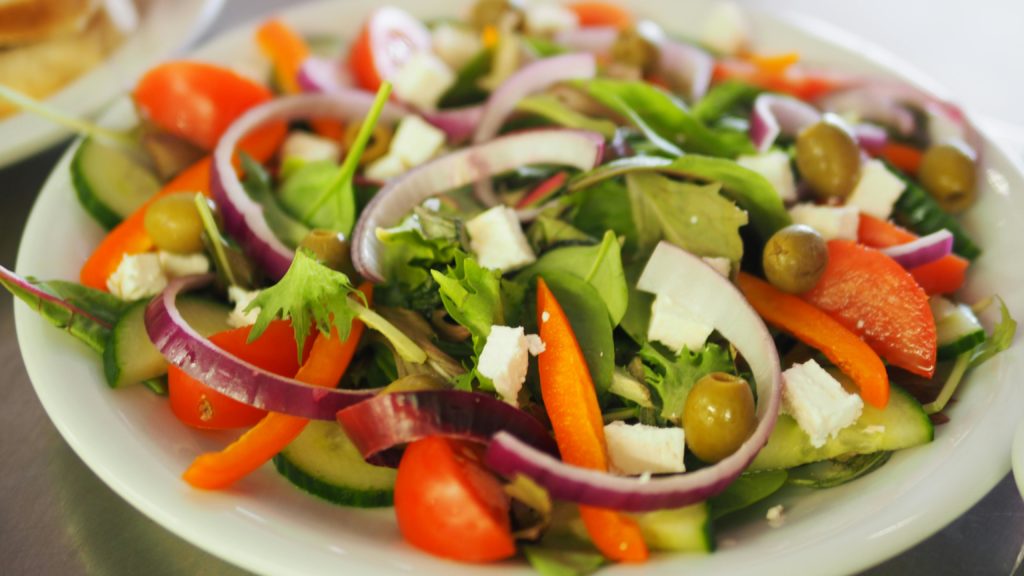
Italian study proves impact of Mediterranean Diet on CVD prevention
A meta-analysis of 1.4 million people published in Science Direct shows consistent protection against cardiovascular…