
Sweeteners controversy leaves consumers confused
08 March 2024
Important sugar consumption is known to increase the risk of development of obesity and non-communicable diseases such as dental disease. Shoppers are increasingly concerned in reducing their sugar intake. Therefore, manufacturers have turned to alternative sweeteners, such as aspartame, saccharin, sucralose and stevia, that were approved by regulatory bodies like the FDA.
However, as reported by FoodNavigator Europe, recent studies do not manage to find a common ground on the consumption of sweeteners. Some studies have shown that artificial sweeteners can cause potential health risks.
The World Health Organization for example, reported that the use of non-sugar sweeteners could be associated with a potential risk of cardiovascular disease. A new research published in Circulation : Arrhythmia and Electrophysiology, found that artificially sweetened drinks can be associated with risk of atrial fibrillation (irregular heart rhythm). But the International Sweeteners Association said that this research is observational and cannot establish a cause-and-effect, which may risk confusing consumers. There were also disagreements on the popular sweetener aspartame last year. Despite 90 global food safety agencies confirming that aspartame is safe to consume, the International Agency for Research on Cancer IARC classified it as “possibly carcinogenic”. Consequently, these developed a lack of universal understanding and trust in sweeteners amongst consumers.
The industry must take proactive steps to address consumer confusion. Industry members should collaborate to improve the public’s comprehension of sugar, its impact, and its substitutes, bringing an end to any misconceptions.

Burying sustainable food systems is a big long-term mistake
SAFE Food Advocacy Europe regrets the decision by the European Commission to abandon the Sustainable…
Il CED lancia l’allarme: ‘’Lo zucchero è la prima minaccia alla salute pubblica europea’’
Odontoiatria33Click here to read the original text (IT) Read More

SAFE releases a report in partnership with Healthy Food Healthy Planet on regulating HFSS marketing to children
SAFE updated its report on high-fat, sugar, and salt (HFSS) Food Marketing targeting children, in…

Un estudio revela que consumir más alimentos ultraprocesados está relacionado con una peor salud ósea
InfobaeClick here to read the article (in Spanish).Read More
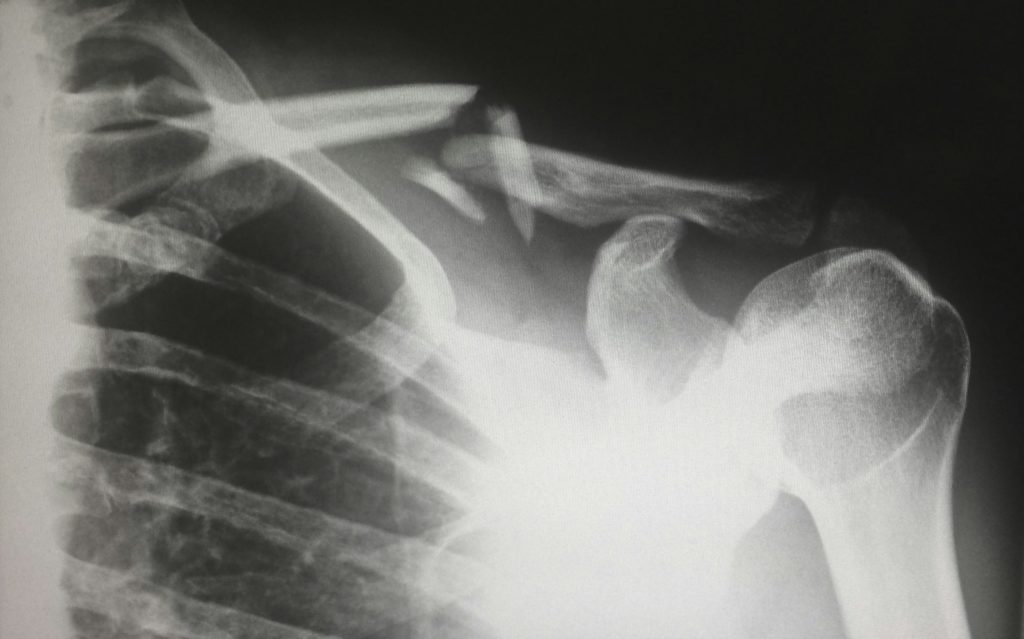
Ultra-processed foods linked to poor bone health
Eating more ultra-processed foods may also be bad for your bones, according to a new…

Joint statement: Call on the European Commission to mandate Extended Producer Responsibility for Food Products
SAFE with a coalition of businesses, cities, waste managers and other civil society organisations signed…