

Potential of seaweed for sustainability and food security
09 February 2024
The importance of seaweed is becoming more widely recognised as a key component of both global food security and aquaculture sustainability, as reported by Food Ingredients. Highlighted by a recent study, seaweed emerges as a resilient and promising food source capable of addressing critical food demand, particularly in times of crisis. The research underscores seaweed’s adaptability to diverse environmental conditions, even in extreme situations such as volcanic eruptions or nuclear disasters where sunlight may be limited.
Furthermore, cooperative initiatives led by the Food and Agriculture Organisation of the United Nations and programs like the EU’s Horizon Europe-funded SeaMark Project seek to increase seaweed output and investigate novel applications. These initiatives aim to maximise the benefits of seaweed for human use as well as for the production of fertilisers, animal feed, and biofuels.
Seaweed has the potential to improve sustainability in the field of aquaculture by providing answers to problems like raising the growth and survival rates of farmed fish. Studies like the ones carried out at Denmark’s Aarhus University emphasise how seaweed may optimise aquaculture methods and reduce the environmental concerns that come with intensive fish production.
Overall, seaweed emerges as a valuable resource with the potential to address pressing challenges in food production and environmental sustainability on a global scale.
JRC study delivers nutritional quality of food in Europe’s supermarkets
A new study by the Joint Research Centre (JRC) provides the first large-scale overview of…
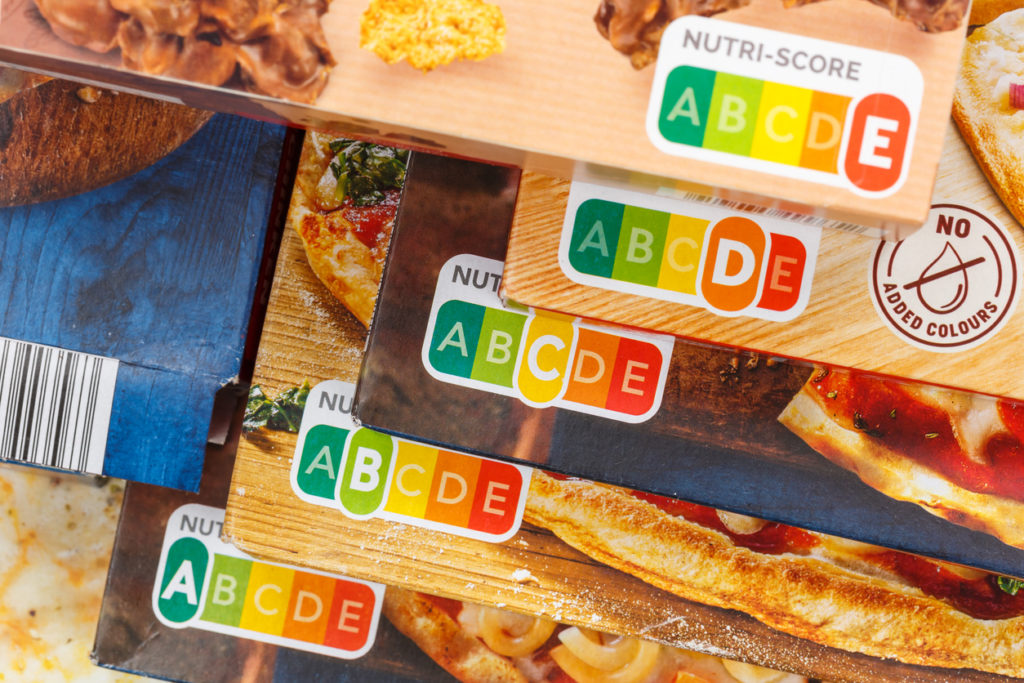
Poland withdraws Nutriscore, deeming it misleading
Nutri Score nutrition label symbol healthy eating for food Nutri-Score Poland’s decided to withdraw the…
Barcelona plans network of affordable shops
Barcelona is preparing a network of shops designed to make fresh food more affordable for…
SAFE warns about labelling uncertainty around allergens in proteins from precision fermentation
Dairy products in the supermarket SAFE has sent a letter to the European Commission’s DG…
SAFE supports Slovakian lawsuit against NGT regulation
Plants in laboratory. SAFE supports the lawsuit by the Slovakian government, announced this morning, against…
UPFs: The Commission has all the elements to implement mitigation measures
The worker in the factory places the chicken schnitzel The health risks associated with the…