
Pesticides banned in Europe but sold to poor countries
24 September 2025
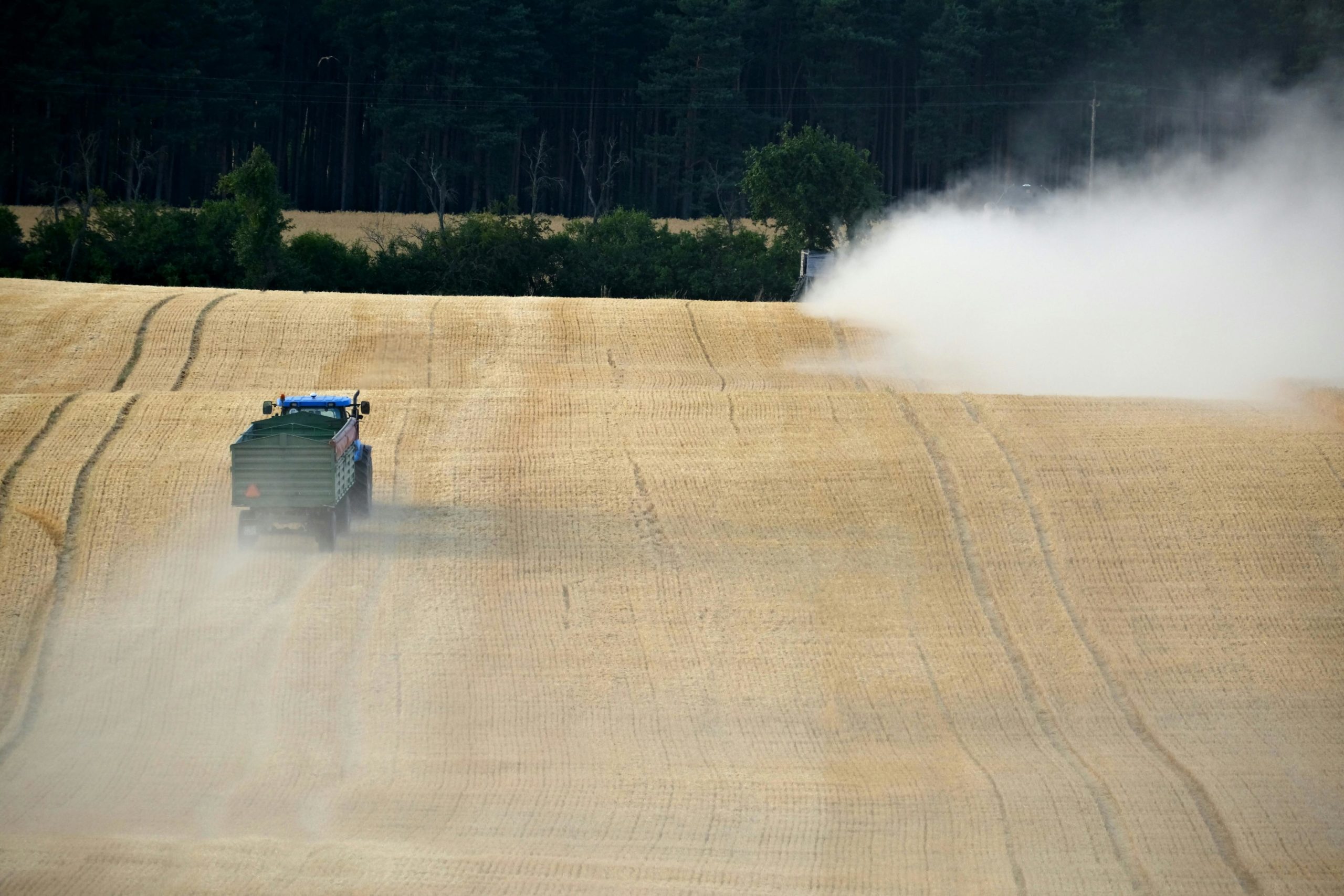
An investigation by Greenpeace, Unearthed, and Public Eye has found that in 2024, the European Union authorised the export of pesticides containing 75 chemicals banned within the EU due to health and environmental hazards. These include pesticides linked to brain damage in children, infertility, and harm to bees and wildlife.
Despite being prohibited in the EU, legal loopholes allow companies to produce and export these toxic products to countries with weaker regulations, mainly low- and middle-income countries. Brazil is the largest importer, while Germany is the top EU exporter, followed by Belgium and Spain.
Exports have nearly doubled since 2018, when 41 banned chemicals were identified by the first investigation. Campaigners warn that these pesticides could boomerang and end up in our plates with the food imported in the EU. Slow Food calls for EU pesticide regulations to apply equally to imports.
In May, Belgium adopted a Royal Decree banning pesticides forbidden in the EU from being exported to third countries.
Although the European Commission committed in 2018 to stop this practice, progress is at a standstill, and the European Green Deal has been dismantled. Greenpeace Italy condemns the prioritisation of industry profits over public health and the environment.
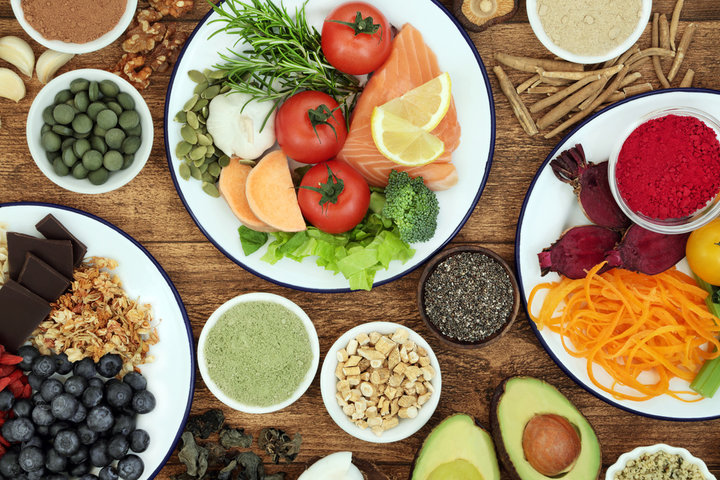
Healthy dietary patterns are linked to a lower risk of cognitive decline
A recent study published in JAMA Neurology reported that healthy dietary patterns are linked to…

Healthy dietary patterns prolong life expectancy, regardless of longevity genes
A study published in Science Advances examined whether five well‑known healthy dietary patterns are associated…
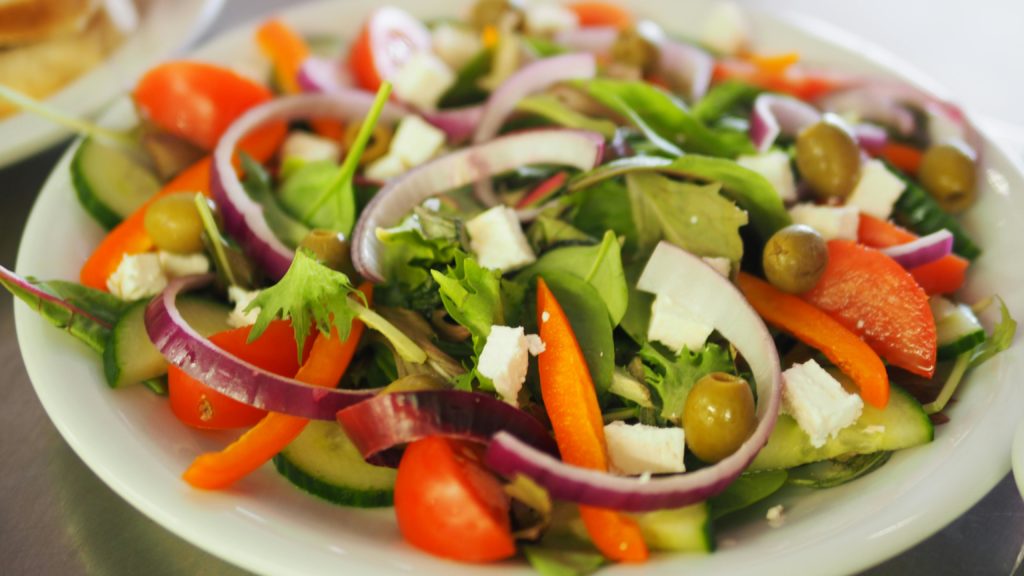
Italian study proves impact of Mediterranean Diet on CVD prevention
A meta-analysis of 1.4 million people published in Science Direct shows consistent protection against cardiovascular…

One in five hazardous mixtures not reported to poison centres
Inspectors working with the European Chemicals Agency (ECHA) in 18 countries carried out a pilot…
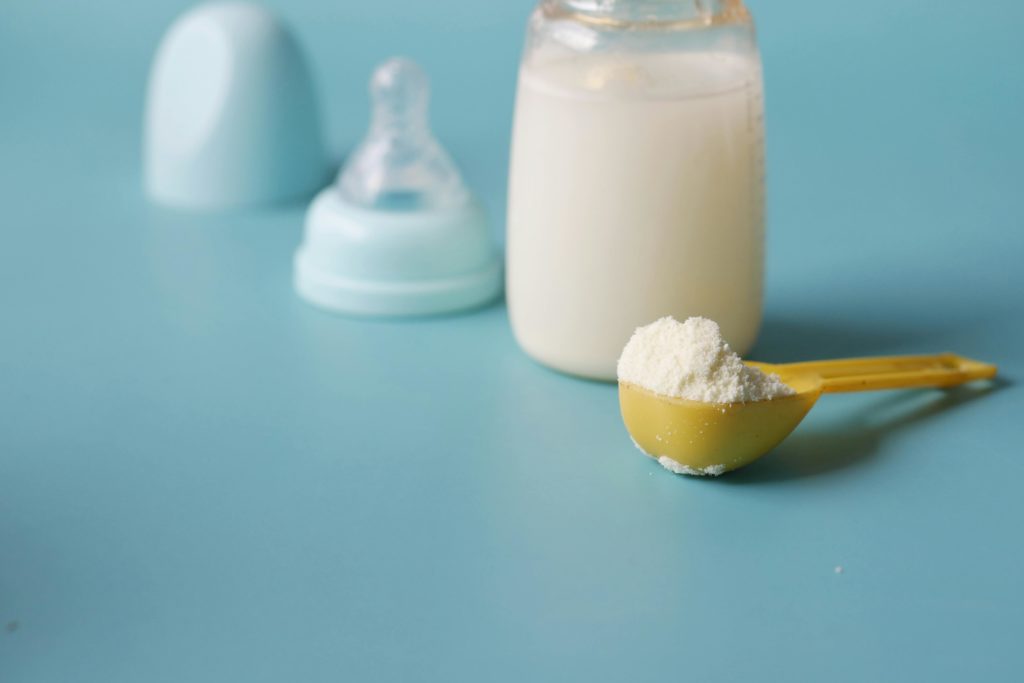
EU imposes new toxin threshold following worldwide infant formula recalls
The European Food Safety Authority (EFSA) has introduced a new maximum safe daily intake level…
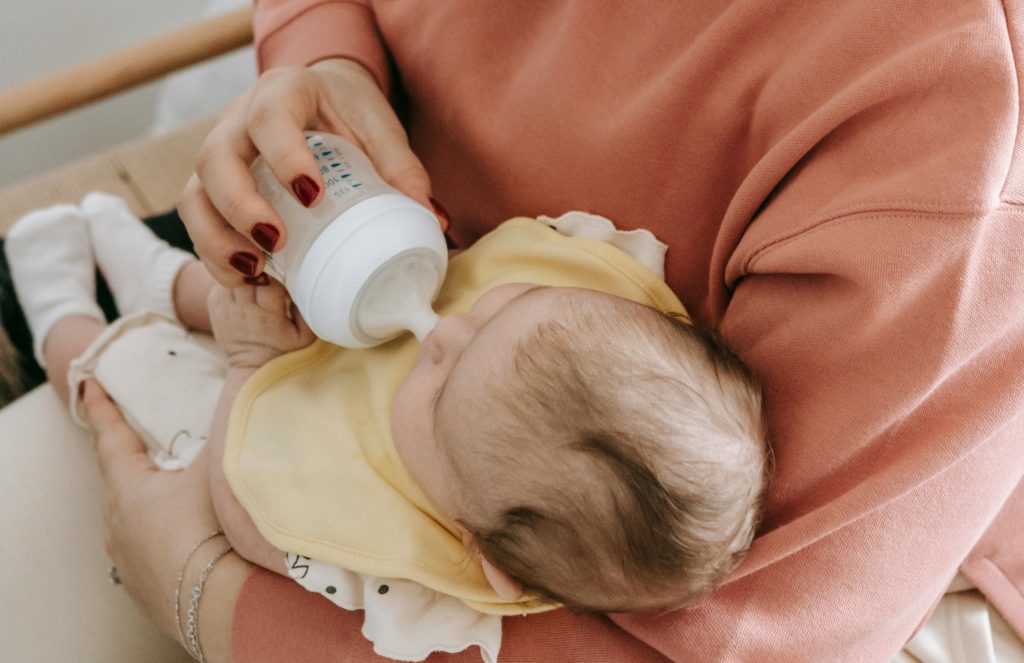
Infant formula alert exposes gaps in EU food safety oversight
The infant formula alert due to cereulide contamination underscores loopholes in the EU’s food safety…