

Parkinson’s Disease: A New Reason to Limit Ultra-Processed Foods
12 May 2025

Ultra-processed foods undergo many modifications, making their raw ingredients almost unrecognisable. Examples include snacks, industrial pastries, biscuits, pre-cooked meals, sausages, and fizzy drinks. Consuming these foods is linked to higher risks of diseases like diabetes, cardiovascular issues, and cancer.
A new study published in Neurology suggests that frequent consumption of ultra-processed foods may also be associated with early signs of Parkinson’s disease. In the prodromal phase of Parkinson’s, neurodegeneration begins, but typical symptoms like tremors and balance problems haven’t yet appeared. Common prodromal symptoms include REM sleep behaviour disorder, constipation, depressive symptoms, body pain, altered colour vision, excessive daytime sleepiness, and reduced sense of smell.
The study analysed data from over 42,000 health professionals in the U.S. over 26 years. Those consuming 11 or more servings of ultra-processed foods daily were 2.5 times more likely to show early signs of Parkinson’s than those consuming fewer than 3 servings. Sweet snacks and sugary beverages were particularly linked to increased risk.
This is an epidemiological study and more studies are needed to confirm this link. Maira Bes-Rastrollo, professor of Preventive Medicine and Public Health at the University of Navarra points out that identifying non-motor prodromal signs early offers a chance for interventions to prevent Parkinson’s.
The expert considers that the findings support discouraging ultra-processed food consumption due to their risks and promoting the Mediterranean diet, rich in minimally processed foods like fruits, vegetables, legumes, whole grains, fish, and olive oil.
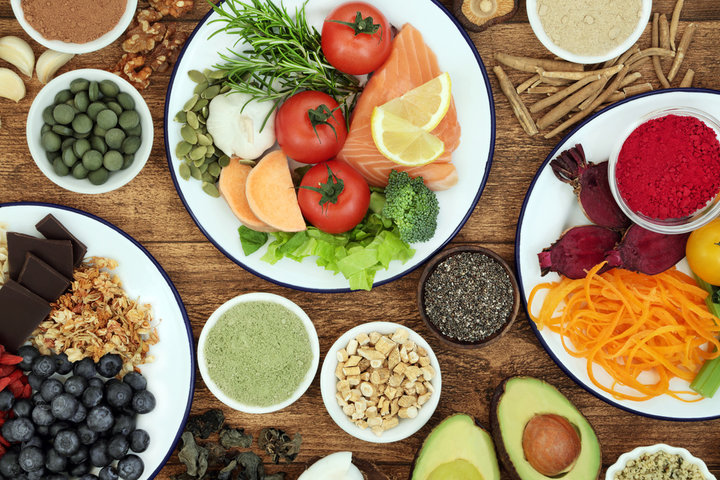
Healthy dietary patterns are linked to a lower risk of cognitive decline
A recent study published in JAMA Neurology reported that healthy dietary patterns are linked to…

Healthy dietary patterns prolong life expectancy, regardless of longevity genes
A study published in Science Advances examined whether five well‑known healthy dietary patterns are associated…
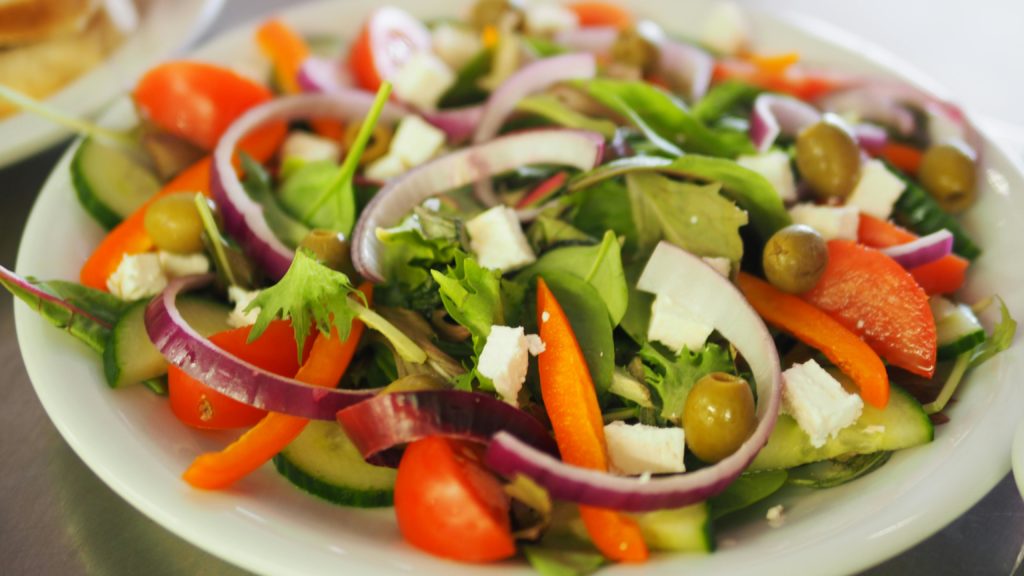
Italian study proves impact of Mediterranean Diet on CVD prevention
A meta-analysis of 1.4 million people published in Science Direct shows consistent protection against cardiovascular…

One in five hazardous mixtures not reported to poison centres
Inspectors working with the European Chemicals Agency (ECHA) in 18 countries carried out a pilot…

EU imposes new toxin threshold following worldwide infant formula recalls
The European Food Safety Authority (EFSA) has introduced a new maximum safe daily intake level…

Infant formula alert exposes gaps in EU food safety oversight
The infant formula alert due to cereulide contamination underscores loopholes in the EU’s food safety…