
Nutrition disinformation: Health gurus, celebrities, and online influencers
22 December 2023
The internet is rife with pundits, commentators, and self-proclaimed nutrition “experts” promoting products or alternative medicines with the promise of health benefits. The claims feel almost too good to be true, but the source feels reputable, its spokesperson is a familiar face, and some of your own favourite social media influencers also use the product. This is an increasingly common form of nutrition disinformation found online meant to draw in desperate or uninformed people, ultimately parting them with their money and giving nothing but a placebo in return.
This style of disinformation comes in many forms, although common examples include online influencers and celebrities selling nutritional supplements, special protein powders, essential oils, medications, and more. It can also take the form of a multi-level marketing (MLM) scam, in which a company sells its products by taking advantage of its sellers’ networks, requiring them to recruit more sellers, pay into the scheme, and promise great reward, but in reality only benefiting those at the top of the scheme. MLMs are particularly deceptive, as they take advantage of the trust you have in your friends and family, making you more likely to buy products and even become a seller yourself.
The danger of these products is not just financial. Many of these kinds of products are marketed as do-all “miracle cures” and are not regulated by health authorities, meaning that they can contain ineffective ingredients at best, and harmful ones at worst. Some may negatively interact with prescribed medications, exacerbating health issues rather than alleviating them. Others may even cause direct harm due to toxic ingredients taken in high doses. The lack of regulation also means these products can make bold claims without scientific evidence or testing to back them up.
The internet has democratised access to information, but it has also made it easier for misinformation to spread. It is crucial to remember that true health and nutrition advice is complex and personalised, and is unlikely to be found in a one-size-fits-all product sold online. Always consult with a healthcare professional or a registered dietitian before starting any new health regimen or taking new supplements. If someone tries to sell you a “magic pill” product, chances are it is no more real than magic itself.
JRC study delivers nutritional quality of food in Europe’s supermarkets
A new study by the Joint Research Centre (JRC) provides the first large-scale overview of…
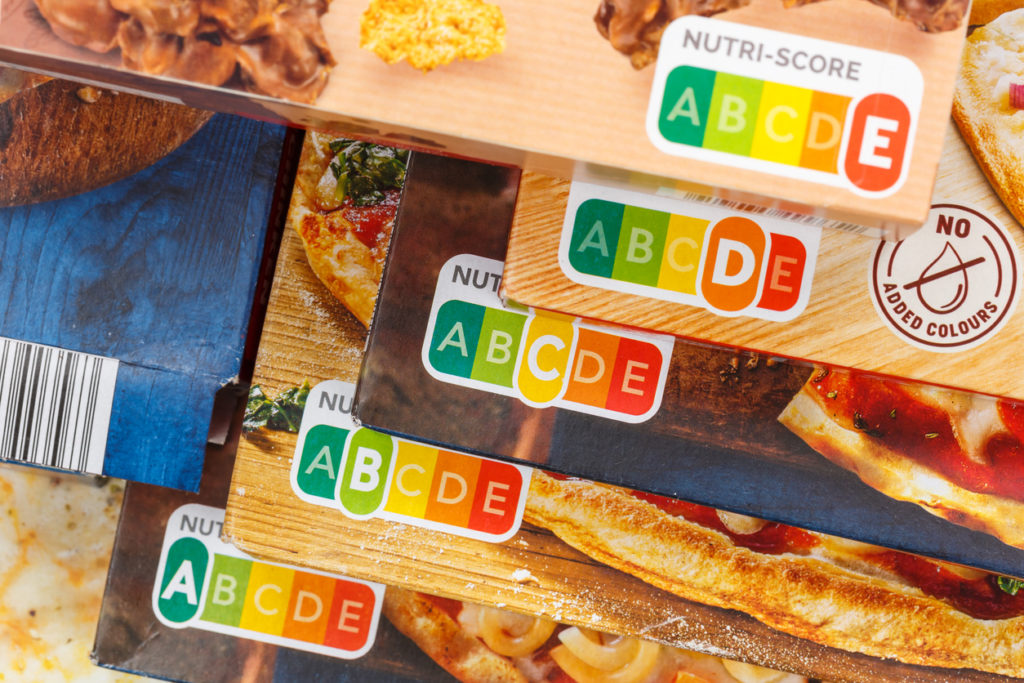
Poland withdraws Nutriscore, deeming it misleading
Nutri Score nutrition label symbol healthy eating for food Nutri-Score Poland’s decided to withdraw the…
Barcelona plans network of affordable shops
Barcelona is preparing a network of shops designed to make fresh food more affordable for…
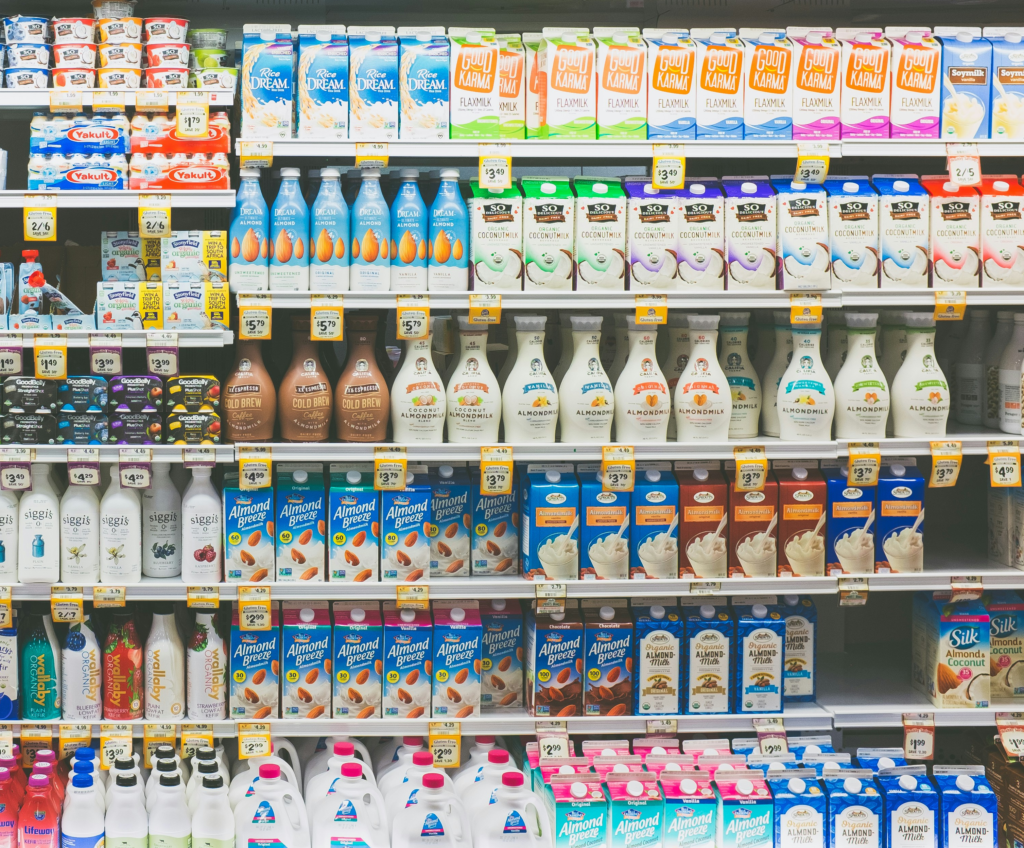
SAFE warns about labelling uncertainty around allergens in proteins from precision fermentation
Dairy products in the supermarket SAFE has sent a letter to the European Commission’s DG…

SAFE supports Slovakian lawsuit against NGT regulation
Plants in laboratory. SAFE supports the lawsuit by the Slovakian government, announced this morning, against…

UPFs: The Commission has all the elements to implement mitigation measures
The worker in the factory places the chicken schnitzel The health risks associated with the…